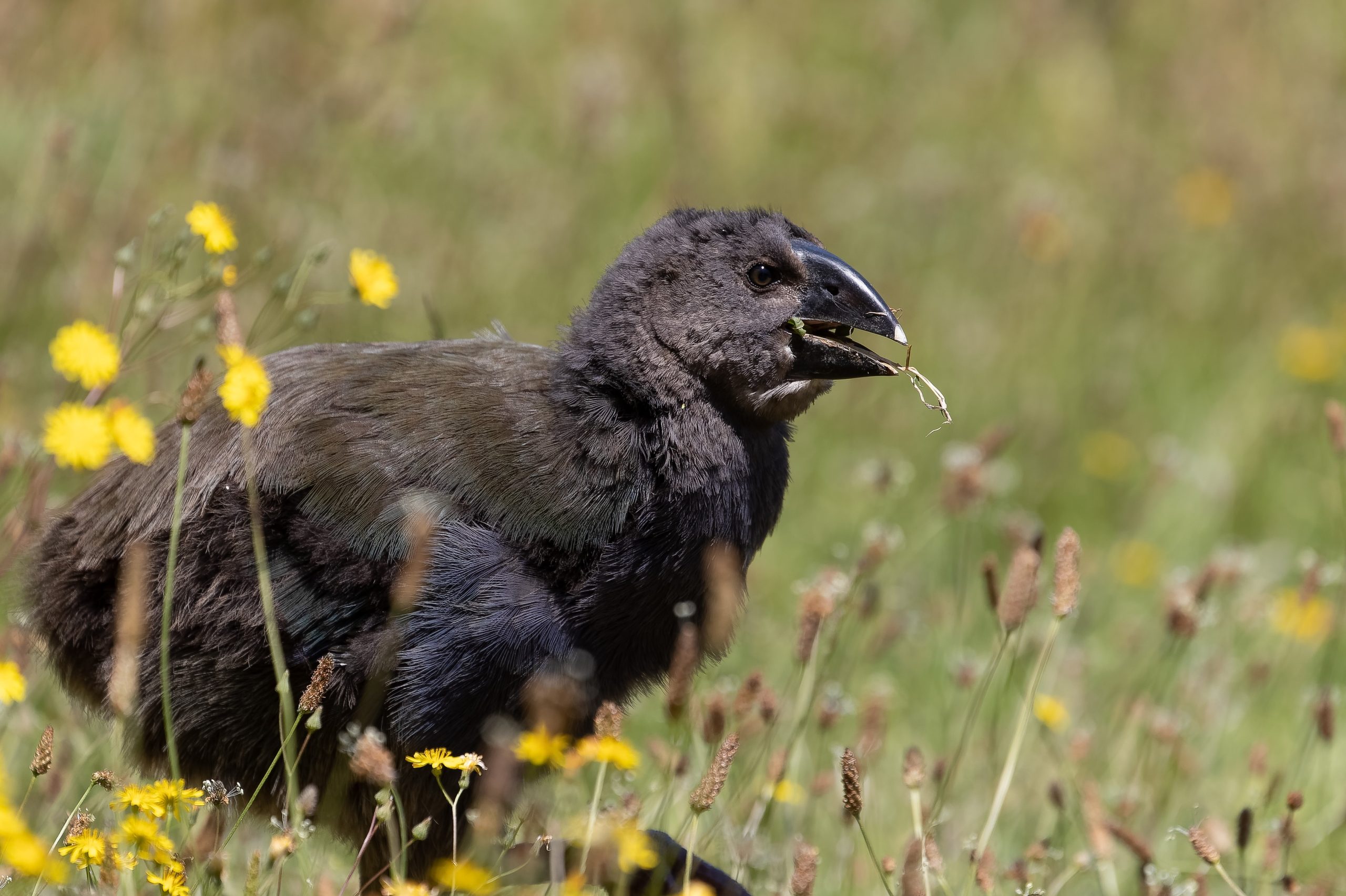
Sharing the love: where are the takahē now?
[vc_row row_height_percent="65" back_image="5057" overlay_alpha="50" gutter_size="3" column_width_percent="100" shift_y="0" z_index="0" uncode_shortcode_id="146281"][vc_column column_width_percent="100" position_vertical="middle" align_horizontal="align_center" gutter_size="3" overlay_color="color-584830" overlay_alpha="80" shift_x="0" shift_y="0" shift_y_down="0" z_index="0" medium_width="0" mobile_width="0" width="1/1"][vc_custom_heading text_color="color-xsdn" text_size="fontsize-321034" uncode_shortcode_id="849969" text_color_type="uncode-palette"]Sharing the love: where are the takahē now?[/vc_custom_heading][/vc_column][/vc_row][vc_row][vc_column width="1/4"][vc_custom_heading heading_semantic="h4" text_size="h4" uncode_shortcode_id="136334"]Author: Phil Marsh, the takahē sanctuary sites ranger with the Department of Conservation
Date: June 2023
Heading photo credit: Malcolm de Raat[/vc_custom_heading][/vc_column][/vc_row][vc_row][vc_column width="1/1"][vc_column_text uncode_shortcode_id="168164"]This certainly isn't an exhaustive list but it highlights the contribution that takahē from Tiritiri Matangi continues to have on the programme to increase the population throughout the motu. It also demonstrates the fluidity of the takahē programme.
2009 - Apiata was removed off Tiritiri Matangi and transitioned to the Murchison Mountains. He is still alive there to this day and has produced juveniles with his partner, though the number is unknown. He is a great example of how well takahē from sanctuary sites can transition, provided they receive the necessary training at Burwood Takahē Centre prior to being released in the wild. I've seen him in the Murchison Mountains around six times since being involved in the programme and I have a real soft spot for him.
2010 - Wal was moved to Burwood as a breeder from 2012-2021 and raised a number of juveniles (four juveniles in 2018-2020 alone). He was shifted to a privately-owned sanctuary in the South Island in 2021 where he is paired with a new partner to this day.
2013 - After leaving Tiritiri Matangi, Pukekohe spent time at Tāwharanui Regional Park where he was part of a breeding group, although he was never successful at raising a juvenile. Today he is on Mana Island and has successfully paired this season. They produced two chicks, his first to date.
2014 - Jenkins has been at Burwood for a number of years now as a breeding female. Since 2018 she has produced five juveniles.
2016 - Turama was moved from Tiritiri Matangi to Burwood for a number of years as a breeding male. Since 2019 he has produced five juveniles.
2017 - Waimarie transitioned through Burwood, paired up and was then sent to Orokonui Ecosanctuary in Dunedin. Last season she produced her first two juveniles, which are being trained for release into recovery sites. This season she produced two more chicks.
2017 - Kahuhura is now paired on Mana Island and has finally produced two chicks this season, his first to date.[/vc_column_text][/vc_column][/vc_row][vc_row row_height_percent="0" overlay_alpha="50" gutter_size="3" column_width_percent="100" shift_y="0" z_index="0" uncode_shortcode_id="155460"][vc_column column_width_percent="100" gutter_size="3" override_padding="yes" column_padding="2" overlay_alpha="50" shift_x="0" shift_y="0" shift_y_down="0" z_index="0" medium_width="0" mobile_width="0" shadow="xs" width="1/1" uncode_shortcode_id="181790"][vc_row_inner row_inner_height_percent="0" overlay_alpha="50" equal_height="yes" gutter_size="3" shift_y="0" z_index="0" uncode_shortcode_id="169089"][vc_column_inner column_width_percent="100" position_vertical="middle" align_horizontal="align_center" gutter_size="3" overlay_alpha="50" shift_x="0" shift_y="0" shift_y_down="0" z_index="0" medium_width="0" mobile_width="0" width="1/2" uncode_shortcode_id="382822"][vc_single_image media="5054" media_width_percent="100" media_ratio="four-three" alignment="right" advanced="yes" media_overlay_opacity="50" media_padding="2" uncode_shortcode_id="296293"][/vc_column_inner][vc_column_inner column_width_percent="100" position_vertical="middle" align_horizontal="align_center" gutter_size="3" overlay_alpha="50" shift_x="0" shift_y="0" shift_y_down="0" z_index="0" medium_width="0" mobile_width="0" width="1/2" uncode_shortcode_id="194832"][vc_single_image media="5055" media_width_percent="100" media_ratio="four-three" uncode_shortcode_id="941917"][/vc_column_inner][/vc_row_inner][vc_custom_heading text_color="color-849512" text_size="h6" uncode_shortcode_id="206975" text_color_type="uncode-palette"]Photo Credit: Phil Marsh
Left: Jenkins in her new home, she produced one chick this season.
Right: Turama, on the left, with juveniles.[/vc_custom_heading][/vc_column][/vc_row][vc_row][vc_column width="1/1"][vc_column_text uncode_shortcode_id="181181"]2018 - Hana was sent to Mana Island (where she has paired up with an offspring of Turama) and produced her first juvenile last season.
2018 - Mira was sent to Motutapu Island where she was seen with a partner recently. She has no juveniles to date as far as known
2018 - Te Paea transitioned to Burwood and was released in the Murchison Mountains in 2019. A colleague and I saw him in a territory with a partner during the 2020 census, showing that he had settled into the site.
2019 - Te Marino was sent to Cape Sanctuary at Cape Kidnappers and paired with the single male there. They had breeding attempts during the last season but were unsuccessful.
Other incidental takahē related to Tiritiri Matangi: Fyffe (breeding female on Rotoroa Island) is one of Wal's offspring. She has been a successful breeder the last few seasons. Walter (male on Motutapu Island) is one of Wal's offspring. Hogan (male at Willowbank Wildlife Reserve) is one of Jenkins' offspring.[/vc_column_text][/vc_column][/vc_row][vc_row row_height_percent="0" overlay_alpha="50" gutter_size="3" column_width_percent="100" shift_y="0" z_index="0" uncode_shortcode_id="155460"][vc_column column_width_percent="100" gutter_size="3" override_padding="yes" column_padding="2" overlay_alpha="50" shift_x="0" shift_y="0" shift_y_down="0" z_index="0" medium_width="0" mobile_width="0" shadow="xs" width="1/1" uncode_shortcode_id="181790"][vc_row_inner row_inner_height_percent="0" overlay_alpha="50" equal_height="yes" gutter_size="3" shift_y="0" z_index="0" uncode_shortcode_id="169089"][vc_column_inner column_width_percent="100" position_vertical="middle" align_horizontal="align_center" gutter_size="3" overlay_alpha="50" shift_x="0" shift_y="0" shift_y_down="0" z_index="0" medium_width="0" mobile_width="0" width="1/2" uncode_shortcode_id="382822"][vc_single_image media="5058" media_width_percent="100" media_ratio="four-three" alignment="right" advanced="yes" media_overlay_opacity="50" media_padding="2" uncode_shortcode_id="896605"][/vc_column_inner][vc_column_inner column_width_percent="100" position_vertical="middle" align_horizontal="align_center" gutter_size="3" overlay_alpha="50" shift_x="0" shift_y="0" shift_y_down="0" z_index="0" medium_width="0" mobile_width="0" width="1/2" uncode_shortcode_id="194832"][vc_single_image media="5059" media_width_percent="100" media_ratio="four-three" uncode_shortcode_id="775441"][/vc_column_inner][/vc_row_inner][vc_custom_heading text_color="color-849512" text_size="h6" uncode_shortcode_id="146386" text_color_type="uncode-palette"]Photo credits: Left Janet Petricevich
Left: Mira on Tiritiri Matangi
Right: Te Marino as a juvenile[/vc_custom_heading][/vc_column][/vc_row][vc_row][vc_column width="1/1"][vc_single_image media="5068" media_width_percent="100" uncode_shortcode_id="134235" media_link="url:https%3A%2F%2Fyoutu.be%2FMwYoy81PgF8"][/vc_column][/vc_row][vc_row row_height_percent="0" overlay_alpha="50" equal_height="yes" gutter_size="3" column_width_percent="100" shift_y="0" z_index="0"][vc_column column_width_percent="100" position_vertical="middle" align_horizontal="align_center" gutter_size="2" override_padding="yes" column_padding="0" back_image="5062" back_position="center top" overlay_color="color-jevc" overlay_alpha="20" shift_x="0" shift_y="0" shift_y_down="0" z_index="0" medium_width="0" mobile_width="0" shadow="xs" width="1/3" uncode_shortcode_id="691997" overlay_color_type="uncode-palette"][vc_row_inner limit_content=""][vc_column_inner column_width_percent="100" align_horizontal="align_center" gutter_size="2" override_padding="yes" column_padding="2" overlay_alpha="50" shift_x="0" shift_y="0" shift_y_down="0" z_index="0" medium_width="0" mobile_width="0" width="1/1"][vc_custom_heading text_color="color-xsdn" text_size="h1" uncode_shortcode_id="101526" text_color_type="uncode-palette"]Takahē Recovery Programme[/vc_custom_heading][vc_empty_space empty_h="2"][/vc_column_inner][/vc_row_inner][vc_row_inner row_inner_height_percent="0" overlay_alpha="50" equal_height="yes" gutter_size="3" shift_y="0" z_index="0" limit_content=""][vc_column_inner column_width_percent="100" position_vertical="bottom" gutter_size="3" override_padding="yes" column_padding="2" overlay_alpha="50" shift_x="0" shift_y="0" shift_y_down="0" z_index="0" medium_width="0" mobile_width="0" width="1/1"][vc_button button_color="accent" wide="yes" border_width="0" link="url:https%3A%2F%2Fwww.doc.govt.nz%2Ftakaherecovery|target:_blank" button_color_type="uncode-palette" uncode_shortcode_id="165690"]View[/vc_button][/vc_column_inner][/vc_row_inner][/vc_column][vc_column column_width_percent="100" position_vertical="middle" align_horizontal="align_center" gutter_size="2" override_padding="yes" column_padding="0" back_image="5063" back_position="center top" overlay_color="color-jevc" overlay_alpha="20" shift_x="0" shift_y="0" shift_y_down="0" z_index="0" medium_width="0" mobile_width="0" shadow="xs" width="1/3" uncode_shortcode_id="153131" overlay_color_type="uncode-palette"][vc_row_inner limit_content=""][vc_column_inner column_width_percent="100" align_horizontal="align_center" gutter_size="2" override_padding="yes" column_padding="2" overlay_alpha="50" shift_x="0" shift_y="0" shift_y_down="0" z_index="0" medium_width="0" mobile_width="0" width="1/1"][vc_custom_heading text_color="color-xsdn" text_size="h1" uncode_shortcode_id="146264" text_color_type="uncode-palette"][/vc_custom_heading][vc_empty_space empty_h="2"][/vc_column_inner][/vc_row_inner][vc_row_inner limit_content=""][vc_column_inner column_width_percent="100" position_vertical="bottom" gutter_size="3" override_padding="yes" column_padding="2" overlay_alpha="50" shift_x="0" shift_y="0" shift_y_down="0" z_index="0" medium_width="0" mobile_width="0" width="1/1"][vc_empty_space empty_h="0"][vc_button button_color="accent" wide="yes" border_width="0" link="url:https%3A%2F%2Fblog.doc.govt.nz%2F2021%2F04%2F01%2Fcelebrate-takahe-and-the-takahe-recovery-programme-with-us-this-april%2F|target:_blank" button_color_type="uncode-palette" uncode_shortcode_id="618077"]Visit[/vc_button][/vc_column_inner][/vc_row_inner][/vc_column][vc_column column_width_percent="100" position_vertical="middle" gutter_size="2" override_padding="yes" column_padding="0" back_image="5048" back_position="left top" overlay_color="color-jevc" overlay_alpha="20" shift_x="0" shift_y="0" shift_y_down="0" z_index="0" medium_width="0" mobile_width="0" shadow="xs" width="1/3" uncode_shortcode_id="101173" overlay_color_type="uncode-palette"][vc_row_inner limit_content=""][vc_column_inner column_width_percent="100" align_horizontal="align_center" gutter_size="2" override_padding="yes" column_padding="2" overlay_alpha="50" shift_x="0" shift_y="0" shift_y_down="0" z_index="0" medium_width="0" mobile_width="0" width="1/1"][vc_custom_heading text_color="color-xsdn" text_size="h1" uncode_shortcode_id="131587" text_color_type="uncode-palette"]
Burwood Takahē Centre
[/vc_custom_heading][vc_empty_space empty_h="2"][/vc_column_inner][/vc_row_inner][vc_row_inner limit_content=""][vc_column_inner column_width_percent="100" position_vertical="bottom" gutter_size="3" override_padding="yes" column_padding="2" overlay_alpha="50" shift_x="0" shift_y="0" shift_y_down="0" z_index="0" medium_width="0" mobile_width="0" width="1/1"][vc_button button_color="accent" wide="yes" border_width="0" link="url:https%3A%2F%2Fwww.doc.govt.nz%2Four-work%2Ftakahe-recovery-programme%2Fwhat-we-do%2Fburwood-takahe-centre%2F|target:_blank" button_color_type="uncode-palette" uncode_shortcode_id="334532"]View[/vc_button][/vc_column_inner][/vc_row_inner][/vc_column][/vc_row]

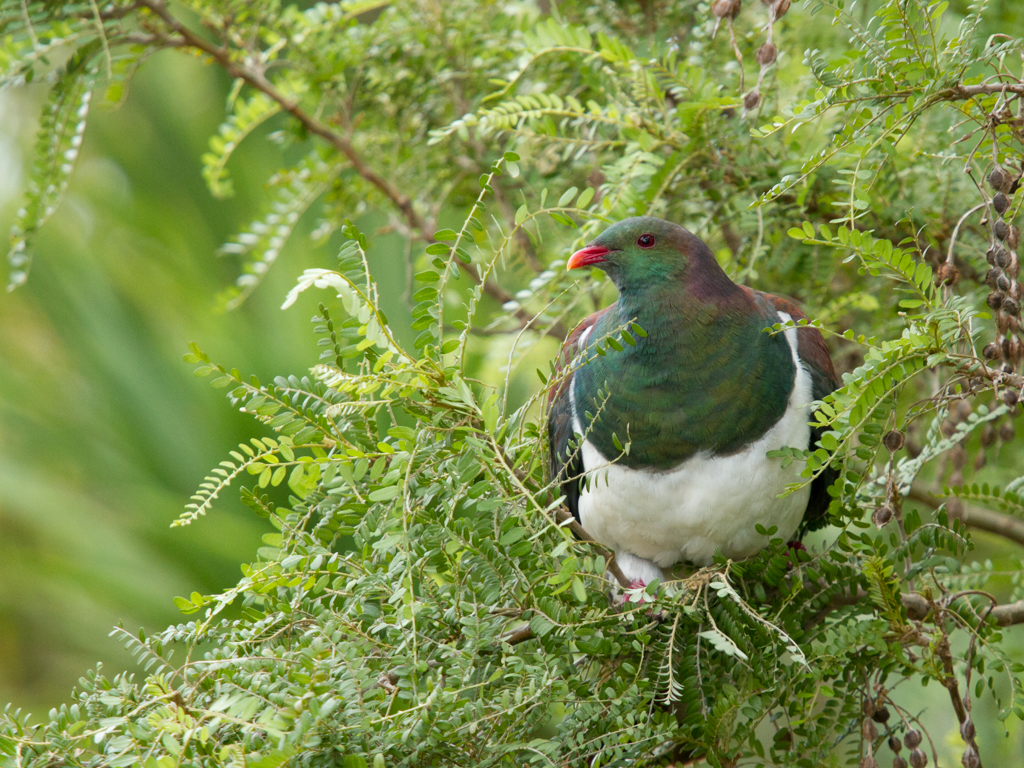
Children energised by the wonders of the New Zealand bush
[vc_row row_height_percent="65" back_image="5866" overlay_alpha="50" gutter_size="3" column_width_percent="100" shift_y="0" z_index="0" uncode_shortcode_id="111184" shape_dividers=""][vc_column column_width_percent="100" position_vertical="middle" align_horizontal="align_center" gutter_size="3" overlay_color="color-584830" overlay_alpha="80" shift_x="0" shift_y="0" shift_y_down="0" z_index="0" medium_width="0" mobile_width="0" width="1/1"][vc_custom_heading text_color="color-xsdn" text_size="fontsize-321034" uncode_shortcode_id="390615" text_color_type="uncode-palette"]Children energised by the wonders of the New Zealand bush[/vc_custom_heading][/vc_column][/vc_row][vc_row][vc_column width="1/4"][vc_custom_heading heading_semantic="h4" text_size="h4" uncode_shortcode_id="813861"]Author: Jean Goldschmidt
Date: 18/05/23[/vc_custom_heading][/vc_column][vc_column width="1/4"][/vc_column][vc_column width="1/4"][/vc_column][vc_column width="1/4"][/vc_column][/vc_row][vc_row][vc_column width="1/1"][vc_column_text uncode_shortcode_id="109540"]Winter clothes today; boots, long trousers and the raincoat at hand for the dank, dark miserable day. White horses whipping up the waves found the ferry rolling sideways and passengers glued to their seats. Sitting indoors for a change, I smiled and added comments to the conversation between guides but my mind was on the children we would be guiding today. Was I over it? Did I really want another dose of young children? Already in their groups the children came off the boat and lined up on the concrete in a manner which showed thorough preparation - so a good start.
Away as group four, I marched up the path with eight ten-year-sold and the teacher behind me. She explained the children were in three groups, birds, environment and she took the māori component but she felt she still had a lot to learn. With full participation, they quickly found all the berry colours on the tawapau. After the constant rain, all heard the gurgling water rising up the māhoe. Everyone found a perfect skeleton leaf which they matched with a green living leaf. At the edge of the bush, the pōpokotea/ whiteheads flitted back and forth over our heads until one briefly landed on the track in front of us. These special little birds with heads dipped in white paint move in families and whisper loudly to each other. But today, the tīeke had monopoly over the ground feeding. When we were on the rise and ahead of two groups on the shortcut, our group turned to see a kererū resting on its own, before it suddenly took off don't the track towards the wharf. Being higher we had a great view of the two groups ducking and laughing as the kererū flew into them. How no one was knocked over by the flying bird will remain a mystery to most of us but the scientists have studied the extraordinary eyes of birds.[/vc_column_text][/vc_column][/vc_row][vc_row row_height_percent="0" overlay_alpha="50" gutter_size="3" column_width_percent="100" shift_y="0" z_index="0" uncode_shortcode_id="155460"][vc_column column_width_percent="100" gutter_size="3" override_padding="yes" column_padding="2" overlay_alpha="50" shift_x="0" shift_y="0" shift_y_down="0" z_index="0" medium_width="0" mobile_width="0" shadow="xs" width="1/1" uncode_shortcode_id="181790"][vc_row_inner row_inner_height_percent="0" overlay_alpha="50" equal_height="yes" gutter_size="3" shift_y="0" z_index="0" uncode_shortcode_id="169089"][vc_column_inner column_width_percent="100" position_vertical="middle" align_horizontal="align_center" gutter_size="3" overlay_alpha="50" shift_x="0" shift_y="0" shift_y_down="0" z_index="0" medium_width="0" mobile_width="0" width="1/2" uncode_shortcode_id="382822"][vc_single_image media="5026" media_width_percent="100" media_ratio="four-three" alignment="right" advanced="yes" media_overlay_opacity="50" media_padding="2" uncode_shortcode_id="110489"][/vc_column_inner][vc_column_inner column_width_percent="100" position_vertical="middle" align_horizontal="align_center" gutter_size="3" overlay_alpha="50" shift_x="0" shift_y="0" shift_y_down="0" z_index="0" medium_width="0" mobile_width="0" width="1/2" uncode_shortcode_id="194832"][vc_single_image media="5027" media_width_percent="100" media_ratio="four-three" uncode_shortcode_id="117976"][/vc_column_inner][/vc_row_inner][vc_custom_heading text_color="color-849512" text_size="h6" uncode_shortcode_id="147010" text_color_type="uncode-palette"]Left: Tīeke
Photo credit: Lucas Mugnier
Right: Pōpokotea
Photo credit: Judd Patterson[/vc_custom_heading][/vc_column][/vc_row][vc_row][vc_column width="1/1"][vc_column_text uncode_shortcode_id="108828"]These fabulous children knew the story of how the tīeke got its brown saddle and at the hihi nesting box one girl told us that the female finds all the base sticks with the male contributing a couple. Then using her body to demonstrate she stood tall, puffing out her chest she imitated the male hihi calling "Look at the fine nest I have built". Seeing the actual nest she brought her story to life. At lunch, another guide Neil began telling the same story told to him by the headmaster who walked with his group. Neil promise to tell the teacher we guides thought a great job had been done in preparing the class for the Tiritiri trip. At the pūriri tree another child said how a teacher had shown them a real pūriri moth and again that child related the story. To have children really energised by the wonders of the New Zealand bush brought home to me how teachers can inspire learning. This delectable group, which now once had to be told to stay on the track, with a motivated teacher, so keen to learn and share left me in high spirits. These enquiring minds completely washed away the morning's doubts.
Returning down the shortcut alone I bush-bathed, enclosed by life-giving trees I absorbed bird calls filtered by smells and silence. Wonder of wonders. I emerged renewed.[/vc_column_text][/vc_column][/vc_row][vc_row row_height_percent="0" overlay_alpha="50" gutter_size="3" column_width_percent="100" shift_y="0" z_index="0" uncode_shortcode_id="155460"][vc_column column_width_percent="100" gutter_size="3" override_padding="yes" column_padding="2" overlay_alpha="50" shift_x="0" shift_y="0" shift_y_down="0" z_index="0" medium_width="0" mobile_width="0" shadow="xs" width="1/1" uncode_shortcode_id="181790"][vc_row_inner row_inner_height_percent="0" overlay_alpha="50" equal_height="yes" gutter_size="3" shift_y="0" z_index="0" uncode_shortcode_id="169089"][vc_column_inner column_width_percent="100" position_vertical="middle" align_horizontal="align_center" gutter_size="3" overlay_alpha="50" shift_x="0" shift_y="0" shift_y_down="0" z_index="0" medium_width="0" mobile_width="0" width="1/2" uncode_shortcode_id="382822"][vc_single_image media="5029" media_width_percent="100" media_ratio="four-three" alignment="right" advanced="yes" media_overlay_opacity="50" media_padding="2" uncode_shortcode_id="751884"][/vc_column_inner][vc_column_inner column_width_percent="100" position_vertical="middle" align_horizontal="align_center" gutter_size="3" overlay_alpha="50" shift_x="0" shift_y="0" shift_y_down="0" z_index="0" medium_width="0" mobile_width="0" width="1/2" uncode_shortcode_id="194832"][vc_single_image media="5030" media_width_percent="100" media_ratio="four-three" uncode_shortcode_id="252374"][/vc_column_inner][/vc_row_inner][vc_custom_heading text_color="color-849512" text_size="h6" uncode_shortcode_id="118195" text_color_type="uncode-palette"]Left: Kererū
Photo credit: Martin Sanders
Right: Enjoying the bush
Photo credit: Carolin Wille[/vc_custom_heading][/vc_column][/vc_row][vc_row row_height_percent="0" override_padding="yes" h_padding="2" top_padding="2" bottom_padding="2" overlay_alpha="50" gutter_size="3" column_width_percent="100" shift_y="0" z_index="0"][vc_column column_width_percent="100" gutter_size="3" override_padding="yes" column_padding="0" overlay_alpha="50" shift_x="0" shift_y="0" shift_y_down="0" z_index="0" medium_width="0" mobile_width="0" width="1/1"][vc_row_inner row_inner_height_percent="0" overlay_alpha="50" equal_height="yes" gutter_size="2" shift_y="0" z_index="0" limit_content=""][vc_column_inner column_width_percent="100" align_horizontal="align_center" gutter_size="2" back_color="color-xsdn" overlay_alpha="50" shift_x="0" shift_y="0" shift_y_down="0" z_index="0" medium_width="0" mobile_width="0" shadow="xs" width="1/3"][vc_icon icon_image="4024" icon_color="color-584830" media_size="60" css_animation="alpha-anim" title="School Visits" link="url:https%3A%2F%2Fwww.tiritirimatangi.org.nz%2Fschool-visits%2F|||" uncode_shortcode_id="160163" icon_color_type="uncode-palette"]Bring your students to Tiritiri Matangi[/vc_icon][vc_empty_space empty_h="1"][vc_empty_space empty_h="2"][vc_button button_color="accent" size="btn-sm" border_width="0" link="url:https%3A%2F%2Fwww.tiritirimatangi.org.nz%2Fschool-visits%2F|||"]Visit[/vc_button][/vc_column_inner][vc_column_inner column_width_percent="100" align_horizontal="align_center" gutter_size="2" back_color="color-xsdn" overlay_alpha="50" shift_x="0" shift_y="0" shift_y_down="0" z_index="0" medium_width="0" mobile_width="0" shadow="xs" width="1/3"][vc_icon icon_image="4025" icon_color="color-584830" media_size="60" css_animation="alpha-anim" title="Growing Minds Programme" link="url:http%3A%2F%2Fwww.tiritirimatangi.org.nz%2Fgrowing-minds%2F|title:Growing%20Minds||" uncode_shortcode_id="896261" icon_color_type="uncode-palette"]If your school has an EQI of 430+ you may be eligible for our Growing Minds funding[/vc_icon][vc_button button_color="accent" size="btn-sm" border_width="0" link="url:http%3A%2F%2Fwww.tiritirimatangi.org.nz%2Fgrowing-minds%2F|title:Growing%20Minds||"]Visit[/vc_button][/vc_column_inner][vc_column_inner column_width_percent="100" align_horizontal="align_center" gutter_size="2" back_color="color-xsdn" overlay_alpha="50" shift_x="0" shift_y="0" shift_y_down="0" z_index="0" medium_width="0" mobile_width="0" shadow="xs" width="1/3"][vc_icon icon_image="4024" icon_color="color-584830" media_size="57" title="Guided Walks" uncode_shortcode_id="248772" icon_color_type="uncode-palette"]More information about the Guided Walks[/vc_icon][vc_empty_space empty_h="1"][vc_empty_space empty_h="0"][vc_empty_space empty_h="2"][vc_button button_color="accent" size="btn-sm" border_width="0" link="url:https%3A%2F%2Fwww.tiritirimatangi.org.nz%2Fguided-tours%2F" button_color_type="uncode-palette" uncode_shortcode_id="161072"]Visit[/vc_button][/vc_column_inner][/vc_row_inner][/vc_column][/vc_row]
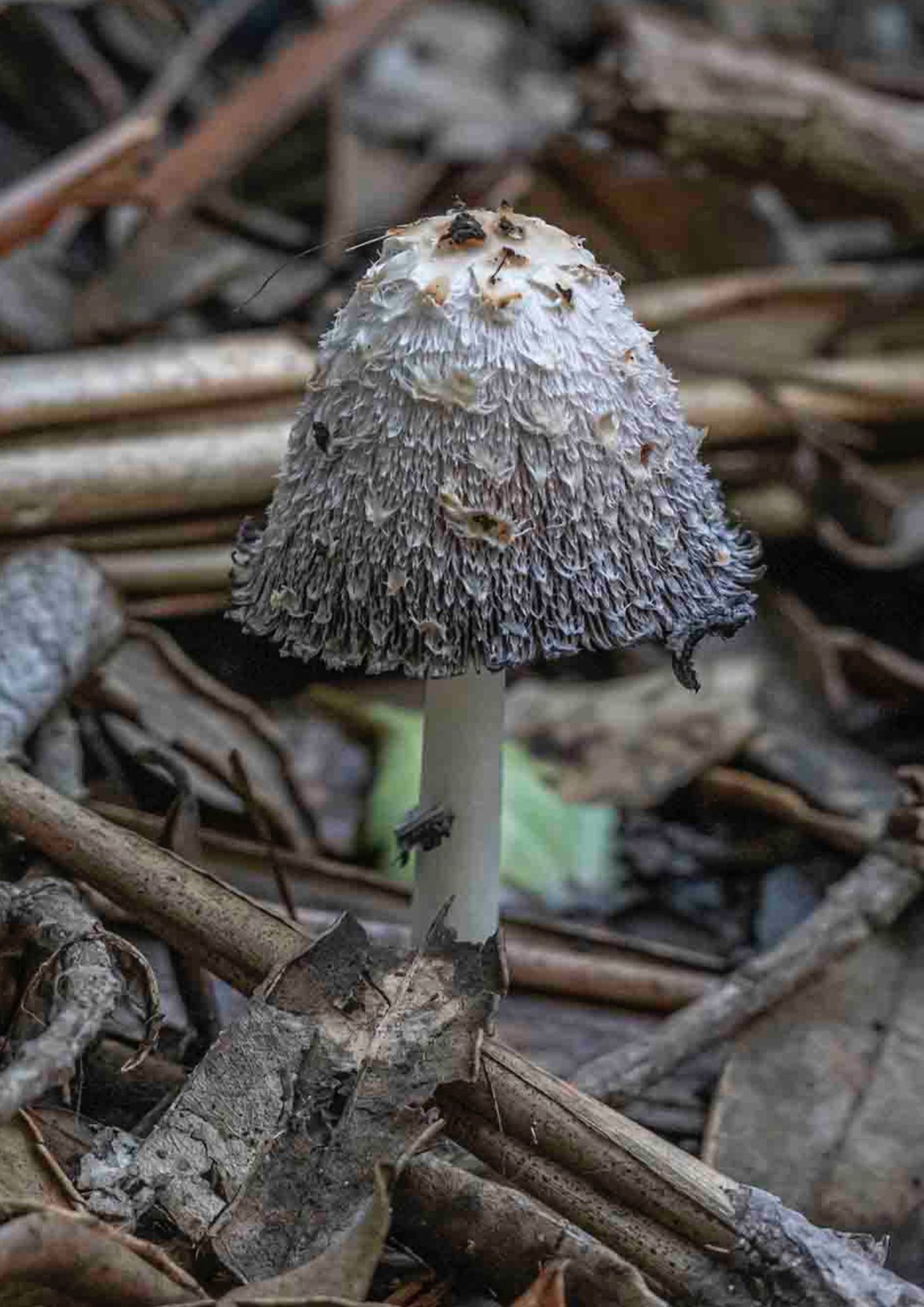
Ancient Tiritiri Matangi: Adventures in "Deep Time". The Fungi
[vc_row row_height_percent="65" back_image="5000" overlay_alpha="50" gutter_size="3" column_width_percent="100" shift_y="0" z_index="0" uncode_shortcode_id="183888"][vc_column column_width_percent="100" position_vertical="middle" align_horizontal="align_center" gutter_size="3" overlay_color="color-584830" overlay_alpha="80" shift_x="0" shift_y="0" shift_y_down="0" z_index="0" medium_width="0" mobile_width="0" width="1/1"][vc_custom_heading text_color="color-xsdn" text_size="fontsize-321034" uncode_shortcode_id="945135" text_color_type="uncode-palette"]Ancient Tiritiri Matangi: Adventures in "Deep Time". The Fungi[/vc_custom_heading][/vc_column][/vc_row][vc_row][vc_column width="1/4"][vc_custom_heading heading_semantic="h4" text_size="h4" uncode_shortcode_id="709183"]Author: John Sibley
Date: 16/06/23[/vc_custom_heading][/vc_column][vc_column width="1/4"][/vc_column][vc_column width="1/4"][/vc_column][vc_column width="1/4"][/vc_column][/vc_row][vc_row][vc_column width="1/1"][vc_column_text uncode_shortcode_id="498674"]We have been travelling through "Deep Time" from the dawn of Earth's history when living things first appeared, some 4,000,000,000 years ago (4,000Mya or 4Ga). It is thought the Fungi evolved about 410Mya just before the land was colonised by plants. Today they form one of the most diverse kingdoms with varied ecologies, lifestyle strategies and morphologies (outward shapes). Their members include single-celled yeasts, filamentous fuzzy moulds and familiar mushrooms. Although once classified with the plants, they share more features (including genetics) with the Animal Kingdom.
Part of our fascination with fungi is that they have a secret "hidden life" in the earth beneath our feet, emerging above ground only to disperse their spores into the air - popping up overnight as a wonderful variety of "fruiting' bodies. Some of these "mushrooms' are very poisonous to humans while others are delicious to eat! Yet other fungi raise our bread, brew our beer, flavour our soy sauce and cheese, and cure our ills (antibiotics and statins etc.)
It is estimated that this hidden fungal horde with their vast subterranean network of feeding threads at least equals and perhaps exceeds the biomass of the more visible Plant Kingdom that lives above them in the world of light. The only time you might notice this hidden world is if you disturb a mouldering piece of branch on the forest floor when raking leaves off the track. The tufts of white threads (hyphae - collectively called a mycelium) visible where the branch touched the earth are a sure sign these rotters are at work![/vc_column_text][/vc_column][/vc_row][vc_row row_height_percent="0" overlay_alpha="50" gutter_size="3" column_width_percent="100" shift_y="0" z_index="0" uncode_shortcode_id="155460"][vc_column column_width_percent="100" gutter_size="3" override_padding="yes" column_padding="2" overlay_alpha="50" shift_x="0" shift_y="0" shift_y_down="0" z_index="0" medium_width="0" mobile_width="0" shadow="xs" width="1/1" uncode_shortcode_id="181790"][vc_row_inner row_inner_height_percent="0" overlay_alpha="50" equal_height="yes" gutter_size="3" shift_y="0" z_index="0" uncode_shortcode_id="169089"][vc_column_inner column_width_percent="100" position_vertical="middle" align_horizontal="align_center" gutter_size="3" overlay_alpha="50" shift_x="0" shift_y="0" shift_y_down="0" z_index="0" medium_width="0" mobile_width="0" width="1/2" uncode_shortcode_id="382822"][vc_single_image media="5002" media_width_percent="100" media_ratio="four-three" alignment="right" advanced="yes" media_overlay_opacity="50" media_padding="2" uncode_shortcode_id="202428"][/vc_column_inner][vc_column_inner column_width_percent="100" position_vertical="middle" align_horizontal="align_center" gutter_size="3" overlay_alpha="50" shift_x="0" shift_y="0" shift_y_down="0" z_index="0" medium_width="0" mobile_width="0" width="1/2" uncode_shortcode_id="194832"][vc_single_image media="5003" media_width_percent="100" media_ratio="four-three" uncode_shortcode_id="696986"][/vc_column_inner][/vc_row_inner][vc_custom_heading text_color="color-849512" text_size="h6" uncode_shortcode_id="928261" text_color_type="uncode-palette"]Left: A saprophytic fungus feeding on dead wood
Right: Fungal hyphae forming a feeding mycelium on dead wood
Photo credit: John Sibley[/vc_custom_heading][/vc_column][/vc_row][vc_row][vc_column width="1/1"][vc_column_text uncode_shortcode_id="147110"]Unlike plants their cell walls are composed of chitin (Pron. Ky-tin) used in arthropod exoskeletons and Mollusca "teeth". None are photosynthetic, instead feeding heterotrophically like animals. They do this by exuding digestive enzymes from their hyphae externally onto their food material and absorbing the digested products. Whilst walking, you might see a powdery rotted piece of a tree branch on a track. It has been digested from within by the fungal threads that once permeated it! In this way, the fungi perform the extremely important task of recycling nutrients in the forest ecosystem as decomposes.
Growth is their only method of movement, apart from microscopic spores which can be blown far and wide in global weather systems. For this reason, many native NZ fungi also have a worldwide distribution. Many fungi will invade living plant (and animal) tissue as pathogens (disease causing parasites).
Look for the telltale fungus infection spots on living mahoe, karo or karamu leaves where sap-sucking psyllid insects have injected spores from these parasitic fungi into their leaves. The plants strategy is to grow new leaves faster than the old ones can be destroyed by disease. Not all fungi are parasites though, many are saprophytes - living off already dead plant material, recycling it. A few are both - killing the host parasitically and then feeding off the corpse saprophytically![/vc_column_text][/vc_column][/vc_row][vc_row row_height_percent="0" overlay_alpha="50" gutter_size="3" column_width_percent="100" shift_y="0" z_index="0" uncode_shortcode_id="155460"][vc_column column_width_percent="100" gutter_size="3" override_padding="yes" column_padding="2" overlay_alpha="50" shift_x="0" shift_y="0" shift_y_down="0" z_index="0" medium_width="0" mobile_width="0" shadow="xs" width="1/1" uncode_shortcode_id="181790"][vc_row_inner row_inner_height_percent="0" overlay_alpha="50" equal_height="yes" gutter_size="3" shift_y="0" z_index="0" uncode_shortcode_id="169089"][vc_column_inner column_width_percent="100" position_vertical="middle" align_horizontal="align_center" gutter_size="3" overlay_alpha="50" shift_x="0" shift_y="0" shift_y_down="0" z_index="0" medium_width="0" mobile_width="0" width="1/2" uncode_shortcode_id="382822"][vc_single_image media="5007" media_width_percent="100" media_ratio="four-three" alignment="right" advanced="yes" media_overlay_opacity="50" media_padding="2" uncode_shortcode_id="122264"][/vc_column_inner][vc_column_inner column_width_percent="100" position_vertical="middle" align_horizontal="align_center" gutter_size="3" overlay_alpha="50" shift_x="0" shift_y="0" shift_y_down="0" z_index="0" medium_width="0" mobile_width="0" width="1/2" uncode_shortcode_id="194832"][vc_single_image media="5008" media_width_percent="100" media_ratio="four-three" uncode_shortcode_id="714299"][/vc_column_inner][/vc_row_inner][vc_custom_heading text_color="color-849512" text_size="h6" uncode_shortcode_id="354065" text_color_type="uncode-palette"]Left: Pyenoporus coccineus
Right: Henningsomyces sp.
Photo credit: John Sibley[/vc_custom_heading][/vc_column][/vc_row][vc_row][vc_column width="1/1"][vc_column_text uncode_shortcode_id="168332"]Another vital role of many fungi is to help tree roots absorb water and minerals from the soil in exchange for sugars and proteins from the roots. The fungal threads do this by penetrating right through the root cell walls (but not entering the cell cytoplasm). This close partnership is known as a mycorrhizal association, a relationship that has long been known to exist between fungi and conifers as well as orchids. Today it is thought that nearly all plants and trees have their own specific fungus partners performing this service. The fungi not only increase the surface area of the roots for enhanced nutrient absorption, but also exude chelating (or "capturing") chemicals which bind onto scarce soil nutrients making them more available to the plants.
Mycorrhizae are especially beneficial for the plant partner in nutrient-poor soils, such as those found near the top of the Wattle Track.
Other recent studies have shown that these fungi target specific parts of different root systems for maximum gain, "trading" less abundant soil minerals for the best quality nutrients from the plants. In addition, several types of specific "helper" bacteria work closely with the fungi to enhance their ability to take up soil nutrients for the plants.[/vc_column_text][/vc_column][/vc_row][vc_row row_height_percent="0" overlay_alpha="50" gutter_size="3" column_width_percent="100" shift_y="0" z_index="0" uncode_shortcode_id="155460"][vc_column column_width_percent="100" gutter_size="3" override_padding="yes" column_padding="2" overlay_alpha="50" shift_x="0" shift_y="0" shift_y_down="0" z_index="0" medium_width="0" mobile_width="0" shadow="xs" width="1/1" uncode_shortcode_id="181790"][vc_row_inner row_inner_height_percent="0" overlay_alpha="50" equal_height="yes" gutter_size="3" shift_y="0" z_index="0" uncode_shortcode_id="169089"][vc_column_inner column_width_percent="100" position_vertical="middle" align_horizontal="align_center" gutter_size="3" overlay_alpha="50" shift_x="0" shift_y="0" shift_y_down="0" z_index="0" medium_width="0" mobile_width="0" width="1/2" uncode_shortcode_id="382822"][vc_single_image media="5009" media_width_percent="100" media_ratio="four-three" alignment="right" advanced="yes" media_overlay_opacity="50" media_padding="2" uncode_shortcode_id="173878"][/vc_column_inner][vc_column_inner column_width_percent="100" position_vertical="middle" align_horizontal="align_center" gutter_size="3" overlay_alpha="50" shift_x="0" shift_y="0" shift_y_down="0" z_index="0" medium_width="0" mobile_width="0" width="1/2" uncode_shortcode_id="194832"][vc_single_image media="5010" media_width_percent="100" media_ratio="four-three" uncode_shortcode_id="160988"][/vc_column_inner][/vc_row_inner][vc_custom_heading text_color="color-849512" text_size="h6" uncode_shortcode_id="210821" text_color_type="uncode-palette"]Left: Helper bacteria clustered round a fungal mycelium grown in vitro
Right: A parasite spot fungus on flax
Photo credit: John Sibley[/vc_custom_heading][/vc_column][/vc_row][vc_row][vc_column width="1/1"][vc_column_text uncode_shortcode_id="642543"]Sugars have also been shown to move between different species of tree via mycorrhizal network, promoting the succession of tree species as ecosystems change over time. For a new seedling in the forest to thrive, it is important for them to acquire their own mycorrhizal partner as quickly as they can.
When both parties benefit from a relationship is called mutualistic. Fossil evidence and DNA sequence analysis suggest that this mutualism appeared 400 - 600Mya, when the first plants were colonising land.
Fungi also act as a food supply, forming a vital link in the food web of the forest. A wide range of invertebrates such as springtails, mites and fly larvae graze on them, and they in turn feed the birdlife on Tiritiri Matangi Island. Without the Fungi life would be exceedingly dull for us humans - but imagine a forest where no dead trees are broken down and recycled![/vc_column_text][/vc_column][/vc_row][vc_row row_height_percent="0" overlay_alpha="50" gutter_size="3" column_width_percent="100" shift_y="0" z_index="0" uncode_shortcode_id="155460"][vc_column column_width_percent="100" gutter_size="3" override_padding="yes" column_padding="2" overlay_alpha="50" shift_x="0" shift_y="0" shift_y_down="0" z_index="0" medium_width="0" mobile_width="0" shadow="xs" width="1/1" uncode_shortcode_id="181790"][vc_row_inner row_inner_height_percent="0" overlay_alpha="50" equal_height="yes" gutter_size="3" shift_y="0" z_index="0" uncode_shortcode_id="169089"][vc_column_inner column_width_percent="100" position_vertical="middle" align_horizontal="align_center" gutter_size="3" overlay_alpha="50" shift_x="0" shift_y="0" shift_y_down="0" z_index="0" medium_width="0" mobile_width="0" width="1/2" uncode_shortcode_id="382822"][vc_single_image media="5015" media_width_percent="100" alignment="right" advanced="yes" media_overlay_opacity="50" media_padding="2" uncode_shortcode_id="135066"][/vc_column_inner][vc_column_inner column_width_percent="100" position_vertical="middle" align_horizontal="align_center" gutter_size="3" overlay_alpha="50" shift_x="0" shift_y="0" shift_y_down="0" z_index="0" medium_width="0" mobile_width="0" width="1/2" uncode_shortcode_id="194832"][vc_single_image media="5006" media_width_percent="100" uncode_shortcode_id="129712"][/vc_column_inner][/vc_row_inner][vc_custom_heading text_color="color-849512" text_size="h6" uncode_shortcode_id="120148" text_color_type="uncode-palette"]Left: A springtail feeding on Ear fungus Auricularia cornea
Right: Shaggy cap mushroom, Coprinus sp - a mycorrhizal fungus on Mahow
Photo credit: John Sibley[/vc_custom_heading][/vc_column][/vc_row]
A tech upgrade
[vc_row row_height_percent="65" back_image="4976" overlay_alpha="50" gutter_size="3" column_width_percent="100" shift_y="0" z_index="0" uncode_shortcode_id="867834"][vc_column column_width_percent="100" position_vertical="middle" align_horizontal="align_center" gutter_size="3" overlay_color="color-584830" overlay_alpha="80" shift_x="0" shift_y="0" shift_y_down="0" z_index="0" medium_width="0" mobile_width="0" width="1/1"][vc_custom_heading text_color="color-xsdn" text_size="fontsize-321034" uncode_shortcode_id="998795" text_color_type="uncode-palette"]A tech upgrade[/vc_custom_heading][/vc_column][/vc_row][vc_row][vc_column width="1/4"][vc_custom_heading heading_semantic="h4" text_size="h4" uncode_shortcode_id="189615"]Author: Stacey Balich
This text has been collated using the Hihi Conservation 2022 - Annual Report
Date: 16/07/23[/vc_custom_heading][/vc_column][/vc_row][vc_row][vc_column width="1/1"][vc_column_text uncode_shortcode_id="135213"]The Hihi Conservation 2022 Annual Report shares that for nearly the past three decades it has been a rite of passage for every hihi hatched in a nest box to receive a set of colour bands when they turn 21 days old. On one leg, they have two colours; on the other, they have one colour and one metal band. This allows researchers to individually identify the birds which supports monitoring, management and research. Dr John Ewan shares in his report that on Tiritiri Matangi all female hihi nest in nest boxes, so every bird in the population can be banded before fledging. This means family relationships are known for every hihi on the island.
Observing and locating individual birds requires enormous manpower and data can sometimes be limited by the size of the field team and environmental conditions. This can sometimes result in incomplete band reading or misidentification. In 2015, the Hihi Recovery Group began exploring how to modernise hihi monitoring. They selected a technology called Radio Frequency Identification (RFID).
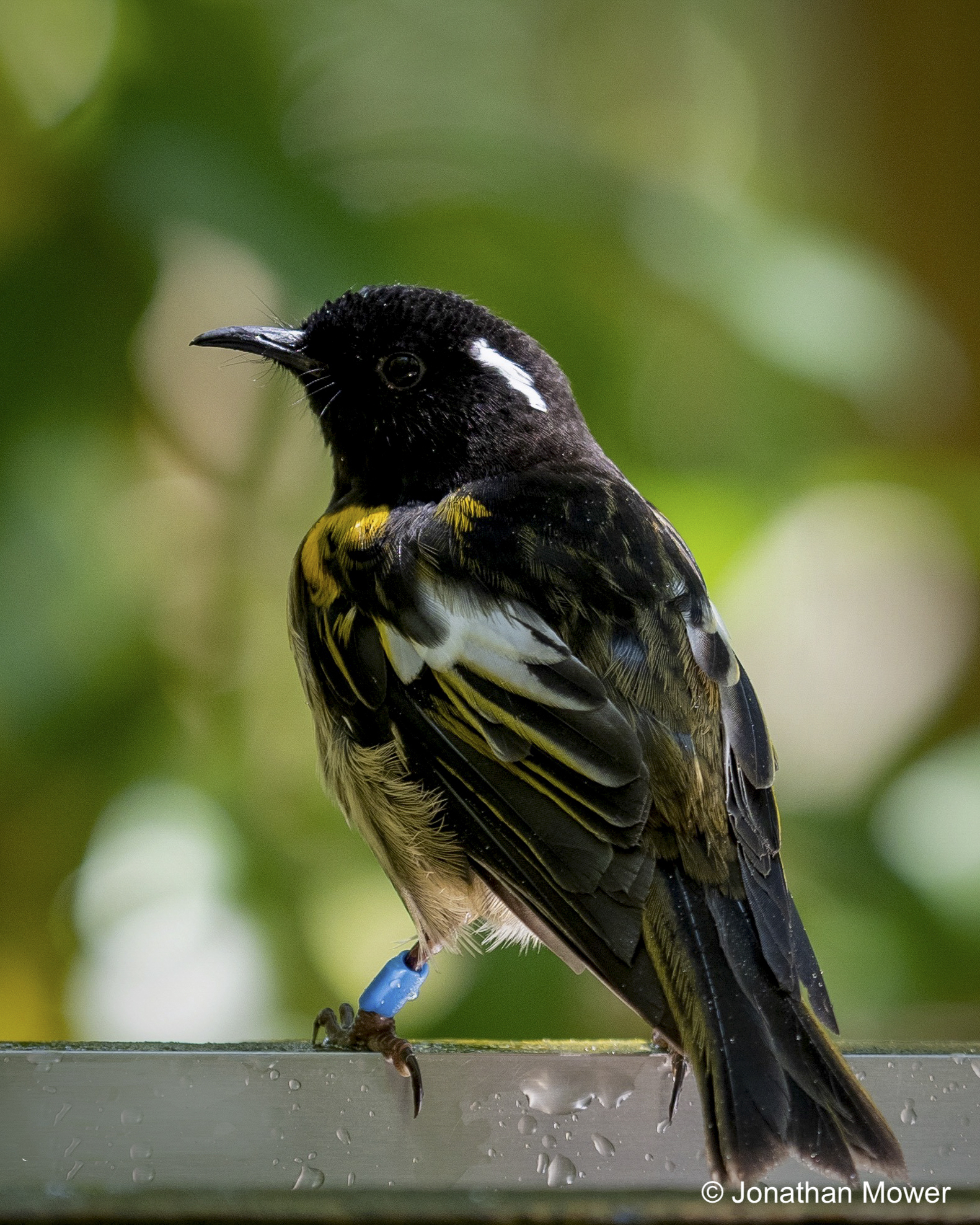
RFID involves attaching a tiny computer chip storing a unique identification number to an animal. Special RFID 'readers' are then placed in key locations throughout the environment to 'read' these numbers when tagged animals come in close proximity. Dr John Ewan explains it as the same technology behind tap-and-go credit card payments. The chips are only a few millimetres long so they can be attached unobtrusively even to small birds like hihi with no effect on their wellbeing or behaviour.[/vc_column_text][/vc_column][/vc_row][vc_row row_height_percent="0" overlay_alpha="50" gutter_size="3" column_width_percent="100" shift_y="0" z_index="0" uncode_shortcode_id="155460"][vc_column column_width_percent="100" gutter_size="3" override_padding="yes" column_padding="2" overlay_alpha="50" shift_x="0" shift_y="0" shift_y_down="0" z_index="0" medium_width="0" mobile_width="0" shadow="xs" width="1/1" uncode_shortcode_id="181790"][vc_row_inner row_inner_height_percent="0" overlay_alpha="50" equal_height="yes" gutter_size="3" shift_y="0" z_index="0" uncode_shortcode_id="169089"][vc_column_inner column_width_percent="100" position_vertical="middle" align_horizontal="align_center" gutter_size="3" overlay_alpha="50" shift_x="0" shift_y="0" shift_y_down="0" z_index="0" medium_width="0" mobile_width="0" width="1/2" uncode_shortcode_id="382822"][vc_single_image media="5868" media_width_percent="100" alignment="right" advanced="yes" media_overlay_opacity="50" media_padding="2" uncode_shortcode_id="929305"][/vc_column_inner][vc_column_inner column_width_percent="100" position_vertical="middle" align_horizontal="align_center" gutter_size="3" overlay_alpha="50" shift_x="0" shift_y="0" shift_y_down="0" z_index="0" medium_width="0" mobile_width="0" width="1/2" uncode_shortcode_id="194832"][vc_single_image media="4993" media_width_percent="100" uncode_shortcode_id="114610"][/vc_column_inner][/vc_row_inner][vc_custom_heading text_color="color-849512" text_size="h6" uncode_shortcode_id="211807" text_color_type="uncode-palette"]Left: A male hihi with a blue RFID chip
Photo credit: Jonathan Mower
Right: Banding a hihi fledgling
Photo credit: Mhairi McCready[/vc_custom_heading][/vc_column][/vc_row][vc_row][vc_column width="1/1"][vc_column_text uncode_shortcode_id="451100"]In 2020 the Hihi Recovery Group and the Department of Conservation's Electronics Team finalised a design. The custom, injection-moulded colour bands fit hihi perfectly and hold a built-in RFID chip. They are now fully rolled out on Tiritiri Matangi, where each nestling now receives two colour bands on one leg and one long RFID colour band on the other leg. All six of the supplementary feeding stations are equipped with RFID readers. The adult hihi population will receive a band upgrade next time they are caught for normal population monitoring.
Dr John Ewan shares that direct observation will always play a central role in hihi monitoring and that RFID technology will provide a major boost to data collection.[/vc_column_text][/vc_column][/vc_row][vc_row][vc_column width="1/1"][vc_single_image media="4996" media_width_percent="100" uncode_shortcode_id="212771"][/vc_column][/vc_row][vc_row row_height_percent="0" overlay_alpha="50" equal_height="yes" gutter_size="3" column_width_percent="100" shift_y="0" z_index="0"][vc_column column_width_percent="100" position_vertical="middle" align_horizontal="align_center" gutter_size="2" override_padding="yes" column_padding="0" back_image="4979" back_position="center top" overlay_color="color-jevc" overlay_alpha="20" shift_x="0" shift_y="0" shift_y_down="0" z_index="0" medium_width="0" mobile_width="0" shadow="xs" width="1/3" uncode_shortcode_id="158870" overlay_color_type="uncode-palette"][vc_row_inner limit_content=""][vc_column_inner column_width_percent="100" align_horizontal="align_center" gutter_size="2" override_padding="yes" column_padding="2" overlay_alpha="50" shift_x="0" shift_y="0" shift_y_down="0" z_index="0" medium_width="0" mobile_width="0" width="1/1"][vc_custom_heading text_color="color-xsdn" text_size="h1" uncode_shortcode_id="113567" text_color_type="uncode-palette"]Hihi Conservation Report 2022 - Annual Report by Dr John Ewen[/vc_custom_heading][vc_empty_space empty_h="2"][/vc_column_inner][/vc_row_inner][vc_row_inner row_inner_height_percent="0" overlay_alpha="50" equal_height="yes" gutter_size="3" shift_y="0" z_index="0" limit_content=""][vc_column_inner column_width_percent="100" position_vertical="bottom" gutter_size="3" override_padding="yes" column_padding="2" overlay_alpha="50" shift_x="0" shift_y="0" shift_y_down="0" z_index="0" medium_width="0" mobile_width="0" width="1/1"][vc_button button_color="accent" wide="yes" border_width="0" link="url:https%3A%2F%2Fwww.hihiconservation.com%2Fwp-content%2Fuploads%2F2022%2F08%2FHihiConservation2022_web.pdf|target:_blank" button_color_type="uncode-palette" uncode_shortcode_id="132471"]View[/vc_button][/vc_column_inner][/vc_row_inner][/vc_column][vc_column column_width_percent="100" position_vertical="middle" align_horizontal="align_center" gutter_size="2" override_padding="yes" column_padding="0" back_image="4978" back_position="center top" overlay_color="color-jevc" overlay_alpha="20" shift_x="0" shift_y="0" shift_y_down="0" z_index="0" medium_width="0" mobile_width="0" shadow="xs" width="1/3" uncode_shortcode_id="302902" overlay_color_type="uncode-palette"][vc_row_inner limit_content=""][vc_column_inner column_width_percent="100" align_horizontal="align_center" gutter_size="2" override_padding="yes" column_padding="2" overlay_alpha="50" shift_x="0" shift_y="0" shift_y_down="0" z_index="0" medium_width="0" mobile_width="0" width="1/1"][vc_custom_heading text_color="color-xsdn" text_size="h1" uncode_shortcode_id="957308" text_color_type="uncode-palette"]Hihi Conservation Website[/vc_custom_heading][vc_empty_space empty_h="2"][/vc_column_inner][/vc_row_inner][vc_row_inner limit_content=""][vc_column_inner column_width_percent="100" position_vertical="bottom" gutter_size="3" override_padding="yes" column_padding="2" overlay_alpha="50" shift_x="0" shift_y="0" shift_y_down="0" z_index="0" medium_width="0" mobile_width="0" width="1/1"][vc_empty_space empty_h="0"][vc_button button_color="accent" wide="yes" border_width="0" link="url:https%3A%2F%2Fwww.hihiconservation.com|target:_blank" button_color_type="uncode-palette" uncode_shortcode_id="567822"]Visit[/vc_button][/vc_column_inner][/vc_row_inner][/vc_column][vc_column column_width_percent="100" position_vertical="middle" gutter_size="2" override_padding="yes" column_padding="0" back_image="4980" back_position="left top" overlay_color="color-jevc" overlay_alpha="20" shift_x="0" shift_y="0" shift_y_down="0" z_index="0" medium_width="0" mobile_width="0" shadow="xs" width="1/3" uncode_shortcode_id="178666" overlay_color_type="uncode-palette"][vc_row_inner limit_content=""][vc_column_inner column_width_percent="100" align_horizontal="align_center" gutter_size="2" override_padding="yes" column_padding="2" overlay_alpha="50" shift_x="0" shift_y="0" shift_y_down="0" z_index="0" medium_width="0" mobile_width="0" width="1/1"][vc_custom_heading text_color="color-xsdn" text_size="h1" uncode_shortcode_id="124000" text_color_type="uncode-palette"]
How hihi are the symbol of challenge and hope for conservation
[/vc_custom_heading][vc_empty_space empty_h="2"][/vc_column_inner][/vc_row_inner][vc_row_inner limit_content=""][vc_column_inner column_width_percent="100" position_vertical="bottom" gutter_size="3" override_padding="yes" column_padding="2" overlay_alpha="50" shift_x="0" shift_y="0" shift_y_down="0" z_index="0" medium_width="0" mobile_width="0" width="1/1"][vc_button button_color="accent" wide="yes" border_width="0" link="url:https%3A%2F%2Fwww.hihiconservation.com%2Fwp-content%2Fuploads%2F2015%2F10%2FHihi_pamphlet_2015.pdf|target:_blank" button_color_type="uncode-palette" uncode_shortcode_id="136891"]View[/vc_button][/vc_column_inner][/vc_row_inner][/vc_column][/vc_row]
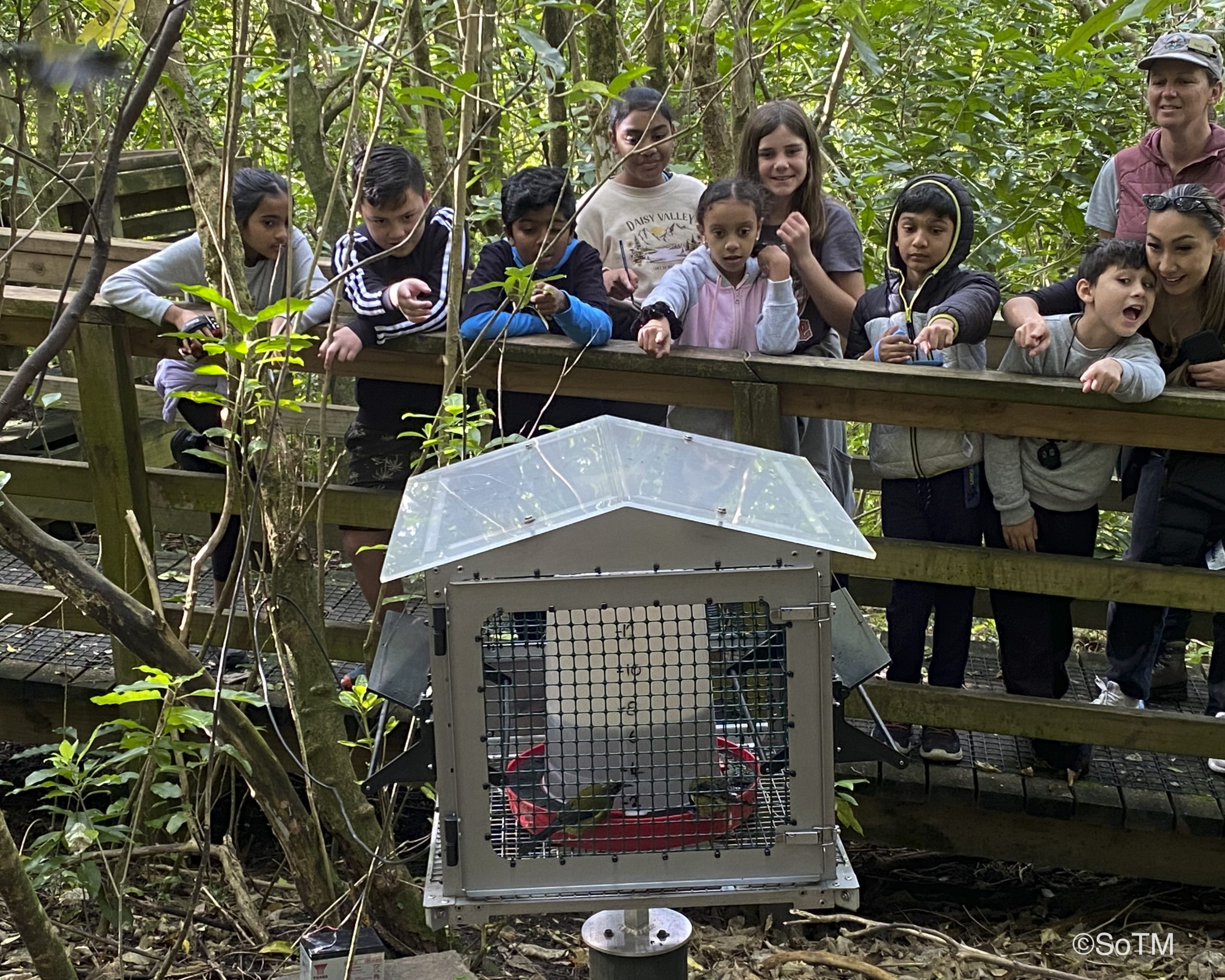
One of the most interesting trips I have ever had in my life
[vc_row row_height_percent="65" back_image="4956" overlay_alpha="50" gutter_size="3" column_width_percent="100" shift_y="0" z_index="0" uncode_shortcode_id="192687"][vc_column column_width_percent="100" position_vertical="middle" align_horizontal="align_center" gutter_size="3" overlay_color="color-584830" overlay_alpha="80" shift_x="0" shift_y="0" shift_y_down="0" z_index="0" medium_width="0" mobile_width="0" width="1/1"][vc_custom_heading text_color="color-xsdn" text_size="fontsize-321034" uncode_shortcode_id="117045" text_color_type="uncode-palette"]One of the most interesting trips I have ever had in my life[/vc_custom_heading][/vc_column][/vc_row][vc_row][vc_column width="1/4"][vc_custom_heading heading_semantic="h4" text_size="h4" uncode_shortcode_id="130997"]Author: Gabrielle Yan (Year 5/6), Summerland School
Date: 15/06/23[/vc_custom_heading][/vc_column][/vc_row][vc_row][vc_column width="1/1"][vc_column_text uncode_shortcode_id="134740"]Tiritiri Matangi was one of the most interesting trips I have ever had in my life. The ferry ride was great, amazingly clean to say the least. The first bird we saw was a bellbird, which had the voice of our school bell, which was very familiar as we have been hearing it for years. Along the way we saw many fantails and bellbirds, so many that they didn't seem all that rare anymore.
We heard a tūī singing near the feeding area, which had been surrounded by all sorts of birds. On the ground lay lots of skeleton leaves which were pretty much transparent with skeletons that looked very much like fibre.
Our guide, Bob, showed us a tracking tunnel with laminated pictures of predators' footprints. While we were taking a rest on a wooden bench, we spotted the biggest New Zealand pigeon ever, perched on top of a very large Nikau.
On the way to the lighthouse, we made a wish while touching NZ's oldest rock (80 million years old) and looking at the youngest (Rangitoto). Right before leaving the forest, we had a finger puppet hunt. The finger puppets were in the shape of native birds and other creatures, which was the most adorable thing ever.
After we left the forest, we saw around 3 takahē, which was chasing after the keeper who was feeding the birds (because he had food with him). The takahē were running at an insane speed, despite the fact that they are only about 30cm tall.
After lunch, we went to the gift shop (I would highly recommend you to go there). Last, but not least, we visited the lighthouse, which was one of the best places on the island.
I really hope to be a guide there when I grow up.[/vc_column_text][/vc_column][/vc_row][vc_row row_height_percent="0" overlay_alpha="50" gutter_size="3" column_width_percent="100" shift_y="0" z_index="0" uncode_shortcode_id="155460"][vc_column column_width_percent="100" gutter_size="3" override_padding="yes" column_padding="2" overlay_alpha="50" shift_x="0" shift_y="0" shift_y_down="0" z_index="0" medium_width="0" mobile_width="0" shadow="xs" width="1/1" uncode_shortcode_id="181790"][vc_row_inner row_inner_height_percent="0" overlay_alpha="50" equal_height="yes" gutter_size="3" shift_y="0" z_index="0" uncode_shortcode_id="169089"][vc_column_inner column_width_percent="100" position_vertical="middle" align_horizontal="align_center" gutter_size="3" overlay_alpha="50" shift_x="0" shift_y="0" shift_y_down="0" z_index="0" medium_width="0" mobile_width="0" width="1/2" uncode_shortcode_id="382822"][vc_single_image media="4957" media_width_percent="100" media_ratio="four-three" alignment="right" advanced="yes" media_overlay_opacity="50" media_padding="2" uncode_shortcode_id="110942"][/vc_column_inner][vc_column_inner column_width_percent="100" position_vertical="middle" align_horizontal="align_center" gutter_size="3" overlay_alpha="50" shift_x="0" shift_y="0" shift_y_down="0" z_index="0" medium_width="0" mobile_width="0" width="1/2" uncode_shortcode_id="194832"][vc_single_image media="4959" media_width_percent="100" media_ratio="four-three" uncode_shortcode_id="103729"][/vc_column_inner][/vc_row_inner][vc_custom_heading text_color="color-849512" text_size="h6" uncode_shortcode_id="826208" text_color_type="uncode-palette"]Photo credit: Liz Maire[/vc_custom_heading][/vc_column][/vc_row][vc_row][vc_column width="1/1"][vc_column_text uncode_shortcode_id="950661"]Just a few of the students' many thoughts:
"The trip was the best I've ever been on and I got to see all the amazing birds. I would like to be a guide there one day."
"We now have an idea of what Aotearoa might have been like before human civilisation."
"You can see birds and other species you might not get a chance to see on the mainland."
"I love that I just didn't learn about the bird species but also could see them and hear them in reality - not in a video like Youtube."
"We are so grateful we got to go to Tiritiri Matangi and my family is hoping to go there one day so we can more birdlife and hopefully kiwi, ruru and tuatara at night."[/vc_column_text][/vc_column][/vc_row][vc_row row_height_percent="0" override_padding="yes" h_padding="2" top_padding="2" bottom_padding="2" overlay_alpha="50" gutter_size="3" column_width_percent="100" shift_y="0" z_index="0"][vc_column column_width_percent="100" gutter_size="3" override_padding="yes" column_padding="0" overlay_alpha="50" shift_x="0" shift_y="0" shift_y_down="0" z_index="0" medium_width="0" mobile_width="0" width="1/1"][vc_row_inner row_inner_height_percent="0" overlay_alpha="50" equal_height="yes" gutter_size="2" shift_y="0" z_index="0" limit_content=""][vc_column_inner column_width_percent="100" align_horizontal="align_center" gutter_size="2" back_color="color-xsdn" overlay_alpha="50" shift_x="0" shift_y="0" shift_y_down="0" z_index="0" medium_width="0" mobile_width="0" shadow="xs" width="1/3"][vc_icon icon_image="4024" icon_color="color-584830" media_size="60" css_animation="alpha-anim" title="School Visits" link="url:https%3A%2F%2Fwww.tiritirimatangi.org.nz%2Fschool-visits%2F|||" uncode_shortcode_id="160163" icon_color_type="uncode-palette"]Bring your students to Tiritiri Matangi[/vc_icon][vc_empty_space empty_h="1"][vc_empty_space empty_h="2"][vc_button button_color="accent" size="btn-sm" border_width="0" link="url:https%3A%2F%2Fwww.tiritirimatangi.org.nz%2Fschool-visits%2F|||"]Visit[/vc_button][/vc_column_inner][vc_column_inner column_width_percent="100" align_horizontal="align_center" gutter_size="2" back_color="color-xsdn" overlay_alpha="50" shift_x="0" shift_y="0" shift_y_down="0" z_index="0" medium_width="0" mobile_width="0" shadow="xs" width="1/3"][vc_icon icon_image="4025" icon_color="color-584830" media_size="60" css_animation="alpha-anim" title="Growing Minds Programme" link="url:http%3A%2F%2Fwww.tiritirimatangi.org.nz%2Fgrowing-minds%2F|title:Growing%20Minds||" uncode_shortcode_id="896261" icon_color_type="uncode-palette"]If your school has an EQI of 430+ you may be eligible for our Growing Minds funding[/vc_icon][vc_button button_color="accent" size="btn-sm" border_width="0" link="url:http%3A%2F%2Fwww.tiritirimatangi.org.nz%2Fgrowing-minds%2F|title:Growing%20Minds||"]Visit[/vc_button][/vc_column_inner][vc_column_inner column_width_percent="100" align_horizontal="align_center" gutter_size="2" back_color="color-xsdn" overlay_alpha="50" shift_x="0" shift_y="0" shift_y_down="0" z_index="0" medium_width="0" mobile_width="0" shadow="xs" width="1/3"][vc_icon icon_image="4039" icon_color="color-584830" media_size="57" title="School Science Awards"]Nominate your eco-champion[/vc_icon][vc_empty_space empty_h="1"][vc_empty_space empty_h="0"][vc_empty_space empty_h="2"][vc_button button_color="accent" size="btn-sm" border_width="0" link="url:http%3A%2F%2Fwww.tiritirimatangi.org.nz%2Ftiritiri-primary-school-conservation-award%2F|||"]Visit[/vc_button][/vc_column_inner][/vc_row_inner][/vc_column][/vc_row]

Tiritiri Matangi Island On Active Service
[vc_row row_height_percent="65" back_image="4876" overlay_alpha="50" gutter_size="3" column_width_percent="100" shift_y="0" z_index="0" uncode_shortcode_id="137939"][vc_column column_width_percent="100" position_vertical="middle" align_horizontal="align_center" gutter_size="3" overlay_color="color-584830" overlay_alpha="80" shift_x="0" shift_y="0" shift_y_down="0" z_index="0" medium_width="0" mobile_width="0" width="1/1"][vc_custom_heading text_color="color-xsdn" text_size="fontsize-321034" uncode_shortcode_id="179182" text_color_type="uncode-palette"]Tiritiri Matangi Island On Active Service[/vc_custom_heading][/vc_column][/vc_row][vc_row][vc_column width="1/4"][vc_custom_heading heading_semantic="h4" text_size="h4" uncode_shortcode_id="600552"]Author: Stacey Balich
This text has been collated using Tiritiri Matangi, A Model of Conservation by Anne Rimmer
Date: 13/06/23[/vc_custom_heading][/vc_column][/vc_row][vc_row][vc_column width="1/1"][vc_column_text uncode_shortcode_id="131421"]During the Second World War (1939-45) the island was part of the Auckland Harbour defences. The day after war broke out, 12 Royal Naval Volunteer Reserve signalmen landed on Tiritiri Matangi to identify all approaching vessels. The Navy duplicated much of the Auckland Harbour work of identification. At first, the two services shared the Auckland Harbour Board facilities but it soon became apparent that the Navy needed its own building.
The military then built the Port War Signal Station, near the lighthouse, linked to gun emplacements on Whangaparaoa, Rangitoto, North Head and Waiheke Island. The Port War Signal Station had a view from Kawau Island past Aotea Great Barrier and the Coromandel to Auckland but, significantly, the Tiri channel was obscured. Ships at sea were forbidden to use their wireless in wartime, so communication with them was by flags, semaphores or Aldis signal lamps.
After the bombing of Pearl Harbour (7 December 1941), the US poured money into New Zealand's defences and the Army established a Fortress Observation Post on Tiritiri Matangi. The Army rebuilt the Fourth House, concreting the outside and adding a concrete tower. The Fortress Observation Post gave information to the nine-inch guns on Whangaparaoa Peninsula and controlled the mines in the Tiri channel. Mines were laid across the Tiri channel and out to Rakino Island and The Noises. These mines exploded when struck by a ship.[/vc_column_text][/vc_column][/vc_row][vc_row row_height_percent="0" overlay_alpha="50" gutter_size="3" column_width_percent="100" shift_y="0" z_index="0" uncode_shortcode_id="155460"][vc_column column_width_percent="100" gutter_size="3" override_padding="yes" column_padding="2" overlay_alpha="50" shift_x="0" shift_y="0" shift_y_down="0" z_index="0" medium_width="0" mobile_width="0" shadow="xs" width="1/1" uncode_shortcode_id="181790"][vc_row_inner row_inner_height_percent="0" overlay_alpha="50" equal_height="yes" gutter_size="3" shift_y="0" z_index="0" uncode_shortcode_id="169089"][vc_column_inner column_width_percent="100" position_vertical="middle" align_horizontal="align_center" gutter_size="3" overlay_alpha="50" shift_x="0" shift_y="0" shift_y_down="0" z_index="0" medium_width="0" mobile_width="0" width="1/2" uncode_shortcode_id="382822"][vc_single_image media="4882" media_width_percent="100" media_ratio="four-three" alignment="right" advanced="yes" media_overlay_opacity="50" media_padding="2" uncode_shortcode_id="141086"][/vc_column_inner][vc_column_inner column_width_percent="100" position_vertical="middle" align_horizontal="align_center" gutter_size="3" overlay_alpha="50" shift_x="0" shift_y="0" shift_y_down="0" z_index="0" medium_width="0" mobile_width="0" width="1/2" uncode_shortcode_id="194832"][vc_single_image media="4884" media_width_percent="100" media_ratio="four-three" uncode_shortcode_id="150528"][/vc_column_inner][/vc_row_inner][vc_custom_heading text_color="color-849512" text_size="h6" uncode_shortcode_id="815995" text_color_type="uncode-palette"]Left: The Port War Signal Station building, c.1940. Malcolm Kay
Right: The Army's Fortress Observation Post, c.1942. Les Alves[/vc_custom_heading][/vc_column][/vc_row][vc_row][vc_column width="1/1"][vc_column_text uncode_shortcode_id="176899"]With the arrival of the Army, the Auckland Harbour Board signalmen were withdrawn, leaving one man as custodian of the foghorn and radio beacon.
The Hobbs family (who held the Tiritiri Matangi farm lease) had taken their stock off the island in 1940, donating a cow to each of the services. Without the stock the grass grew higher and the kiore rats increased to plague numbers. High-voltage electric fences were rigged around the Fortress Observation Post, and a small light on the wall would light up every time a rat was zapped. This did kill thousands of kiore although it didn't make a dent in the population. The Navy then tried a more low-tech solution, a tom cat.
Despite all the upheaval, the six years of military presence on Tiritiri Matangi had little effect on the island's ecology. Anne Rimmer wrote in her book that the effect was probably more influential in the increased awareness of Tiritiri Matangi in the minds of the people who would guide the island's future path. Also significant for New Zealand as a whole were the widened horizons of the thousands of servicemen and women who had served overseas.
In 1945 the three signalmen from the Auckland Harbour Board returned to Tiritiri Matangi. A year later Hobbs' stock returned. The lighthouse keepers returned in 1947 and Auckland Harbour Board closed the signal station.[/vc_column_text][/vc_column][/vc_row][vc_row row_height_percent="0" overlay_alpha="50" gutter_size="3" column_width_percent="100" shift_y="0" z_index="0" uncode_shortcode_id="155460"][vc_column column_width_percent="100" gutter_size="3" override_padding="yes" column_padding="2" overlay_alpha="50" shift_x="0" shift_y="0" shift_y_down="0" z_index="0" medium_width="0" mobile_width="0" shadow="xs" width="1/1" uncode_shortcode_id="181790"][vc_row_inner row_inner_height_percent="0" overlay_alpha="50" equal_height="yes" gutter_size="3" shift_y="0" z_index="0" uncode_shortcode_id="169089"][vc_column_inner column_width_percent="100" position_vertical="middle" align_horizontal="align_center" gutter_size="3" overlay_alpha="50" shift_x="0" shift_y="0" shift_y_down="0" z_index="0" medium_width="0" mobile_width="0" width="1/2" uncode_shortcode_id="382822"][vc_single_image media="4887" media_width_percent="100" media_ratio="four-three" alignment="right" advanced="yes" media_overlay_opacity="50" media_padding="2" uncode_shortcode_id="979551"][/vc_column_inner][vc_column_inner column_width_percent="100" position_vertical="middle" align_horizontal="align_center" gutter_size="3" overlay_alpha="50" shift_x="0" shift_y="0" shift_y_down="0" z_index="0" medium_width="0" mobile_width="0" width="1/2" uncode_shortcode_id="194832"][vc_single_image media="4888" media_width_percent="100" media_ratio="four-three" uncode_shortcode_id="150631"][/vc_column_inner][/vc_row_inner][vc_custom_heading text_color="color-849512" text_size="h6" uncode_shortcode_id="163001" text_color_type="uncode-palette"]Left: Across Sandy Bay to the wharf, c.1942
Right: Lighthouse Station showing the army tower between the houses, c.1942[/vc_custom_heading][/vc_column][/vc_row][vc_row row_height_percent="0" override_padding="yes" h_padding="2" top_padding="2" bottom_padding="3" overlay_alpha="50" equal_height="yes" gutter_size="2" column_width_percent="100" shift_y="0" z_index="0"][vc_column column_width_percent="100" gutter_size="0" override_padding="yes" column_padding="0" back_color="color-xsdn" overlay_alpha="50" shift_x="0" shift_y="0" shift_y_down="0" z_index="0" medium_width="0" mobile_width="0" shadow="xs" width="1/2"][vc_row_inner row_inner_height_percent="0" overlay_alpha="50" gutter_size="0" shift_y="0" z_index="0" limit_content=""][vc_column_inner column_width_percent="100" align_horizontal="align_center" gutter_size="3" back_image="4894" overlay_alpha="50" shift_x="0" shift_y="0" shift_y_down="0" z_index="0" medium_width="0" mobile_width="0" width="1/2" uncode_shortcode_id="193449"][vc_empty_space empty_h="5"][/vc_column_inner][vc_column_inner column_width_percent="100" gutter_size="3" override_padding="yes" column_padding="2" overlay_alpha="50" shift_x="0" shift_y="0" shift_y_down="0" z_index="0" medium_width="0" mobile_width="0" width="1/2"][vc_custom_heading uncode_shortcode_id="577129"]To buy Anne's book[/vc_custom_heading][vc_button button_color="accent" size="btn-sm" wide="yes" border_width="0" link="url:https%3A%2F%2Fwww.tiritirimatangi.org.nz%2Fproduct-category%2Fbooks%2F|target:_blank" button_color_type="uncode-palette" uncode_shortcode_id="199303"]Visit the online shop[/vc_button][/vc_column_inner][/vc_row_inner][/vc_column][vc_column column_width_percent="100" gutter_size="0" override_padding="yes" column_padding="0" back_color="color-xsdn" overlay_alpha="50" shift_x="0" shift_y="0" shift_y_down="0" z_index="0" medium_width="0" mobile_width="0" shadow="xs" width="1/2"][vc_row_inner row_inner_height_percent="0" overlay_alpha="50" gutter_size="0" shift_y="0" z_index="0" limit_content=""][vc_column_inner column_width_percent="100" align_horizontal="align_center" gutter_size="3" back_image="5091" overlay_alpha="50" shift_x="0" shift_y="0" shift_y_down="0" z_index="0" medium_width="0" mobile_width="0" width="1/2" uncode_shortcode_id="682014"][vc_empty_space empty_h="5"][/vc_column_inner][vc_column_inner column_width_percent="100" gutter_size="3" override_padding="yes" column_padding="2" overlay_alpha="50" shift_x="0" shift_y="0" shift_y_down="0" z_index="0" medium_width="0" mobile_width="0" width="1/2"][vc_custom_heading uncode_shortcode_id="368106"]Tiritiri Matangi Archaeological and Historic Landscape
Heritage Assessment[/vc_custom_heading][vc_button button_color="accent" size="btn-sm" wide="yes" border_width="0" link="url:https%3A%2F%2Fwww.doc.govt.nz%2Fglobalassets%2Fdocuments%2Fconservation%2Fhistoric%2Fby-region%2Fauckland%2Ftiritiri-matangi%2Ftiritiri-matangi-island-heritage-assessment-full-version.pdf|title:Online-Shop" button_color_type="uncode-palette" uncode_shortcode_id="392507"]View the Assessment[/vc_button][/vc_column_inner][/vc_row_inner][/vc_column][/vc_row]
King's Birthday Working Weekend
[vc_row row_height_percent="65" back_image="4863" overlay_alpha="50" gutter_size="3" column_width_percent="100" shift_y="0" z_index="0" uncode_shortcode_id="135683"][vc_column column_width_percent="100" position_vertical="middle" align_horizontal="align_center" gutter_size="3" overlay_color="color-584830" overlay_alpha="80" shift_x="0" shift_y="0" shift_y_down="0" z_index="0" medium_width="0" mobile_width="0" width="1/1"][vc_custom_heading text_color="color-xsdn" text_size="fontsize-321034" uncode_shortcode_id="220476" text_color_type="uncode-palette"]King's Birthday Working Weekend[/vc_custom_heading][/vc_column][/vc_row][vc_row][vc_column width="1/4"][vc_custom_heading heading_semantic="h4" text_size="h4" uncode_shortcode_id="171637"]Author: Karin Gouldstone
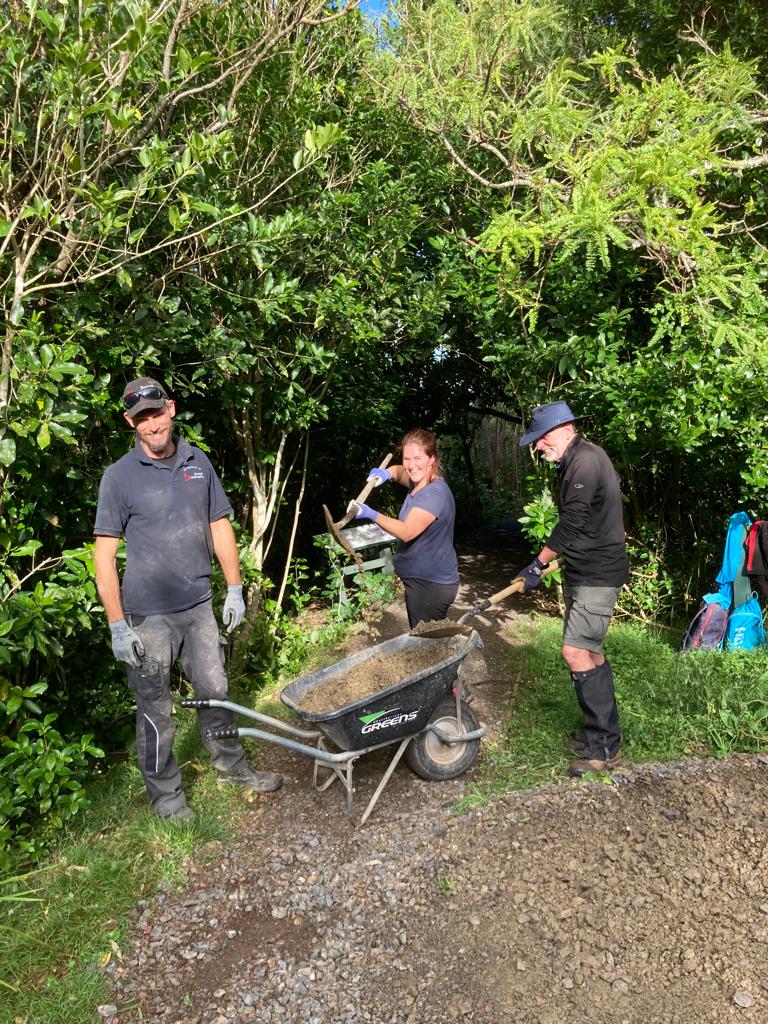
Date: 08/06/23[/vc_custom_heading][/vc_column][vc_column width="1/4"][/vc_column][vc_column width="1/4"][/vc_column][vc_column width="1/4"][/vc_column][/vc_row][vc_row][vc_column width="1/1"][vc_column_text uncode_shortcode_id="139624"]On Saturday 3rd June a keen team of 16 volunteers boarded the Explore Ferry to make their way across the sea to Tiritiri Matangi. After settling into the bunkhouse, some bird watching, lunch and a health and safety briefing Talia, the Department of Conservation Ranger set up the working groups. Armed with shovels, shears, secateurs, hedge trimmers and wheelbarrows we tackled the long overdue maintenance on the upper Wattle Track. After a couple of hours with the odd interruption of kōkako, toutouwai/ robin and other wildlife we had a yummy shared dinner.
We continued where we left off on the following day and we made amazing progress. In the evening some went exploring or put their feet up. Others went for a night walk and found tuatara, kororā/ little penguin, kiwi pukupuku/ little spotted kiwi, pāteke/ brown teal and wētā punga.
Monday was our last day and was spent packing, cleaning and finishing off some jobs before another stroll around the special island.
Thank you to Paul, who set up a yoga session in the Visitors Centre.
Supporters Working Weekends
The Department of Conservation and the Supporters of Tiritiri Matangi greatly appreciate your participation in our General Maintenance Volunteer program. The work of volunteers is an integral part of the island's success as one of Aotearoa's oldest island sanctuaries, and in participating, you have contributed to the vital work of New Zealand's conservation story.
Working Weekends are a wonderful way to help, get to know the island better and be part of what is happening on Tiritiri Matangi. Hosted by some of the Supporters of Tiritiri Matangi's most experienced guides. Outside of the working hours your time is your own. You could explore the more remote parts of the island, or have a swim and a snooze. Activities may include a night walk or a dawn chorus outing.
If you are interested in taking part in one of our working weekends, you have to be a member of the Supporters of Tiritiri Matangi. All enquires and bookings for working weekends can be made through the Guiding Manager by emailing shop@tiritirimatangi.org.nz or phone 09 476 0010[/vc_column_text][/vc_column][/vc_row][vc_row][vc_column width="1/1"][vc_gallery el_id="gallery-108425" type="css_grid" medias="4912,4920,4921,4922,4923,4924,4925,4926,4918,4913,4919,5870" screen_lg_items="3" screen_lg_breakpoint="1000" screen_md_items="2" screen_md_breakpoint="600" screen_sm_items="1" screen_sm_breakpoint="480" gutter_size="3" single_overlay_opacity="50" single_padding="2" uncode_shortcode_id="102385" items="eyI0OTEyX2kiOnsic2luZ2xlX2xheW91dF9tZWRpYV9pdGVtcyI6Im1lZGlhfGxpZ2h0Ym94fG9yaWdpbmFsIn19"][/vc_column][/vc_row][vc_row row_height_percent="0" overlay_alpha="50" equal_height="yes" gutter_size="3" column_width_percent="100" shift_y="0" z_index="0"][vc_column column_width_percent="100" position_vertical="middle" align_horizontal="align_center" gutter_size="2" override_padding="yes" column_padding="0" back_image="4899" back_position="center top" overlay_color="color-jevc" overlay_alpha="20" shift_x="0" shift_y="0" shift_y_down="0" z_index="0" medium_width="0" mobile_width="0" shadow="xs" width="1/3" uncode_shortcode_id="878713" overlay_color_type="uncode-palette"][vc_row_inner limit_content=""][vc_column_inner column_width_percent="100" align_horizontal="align_center" gutter_size="2" override_padding="yes" column_padding="2" overlay_alpha="50" shift_x="0" shift_y="0" shift_y_down="0" z_index="0" medium_width="0" mobile_width="0" width="1/1"][vc_custom_heading text_color="color-xsdn" text_size="h1" uncode_shortcode_id="989907" text_color_type="uncode-palette"]To become a Supporter of Tiritiri Matangi[/vc_custom_heading][vc_empty_space empty_h="2"][/vc_column_inner][/vc_row_inner][vc_row_inner row_inner_height_percent="0" overlay_alpha="50" equal_height="yes" gutter_size="3" shift_y="0" z_index="0" limit_content=""][vc_column_inner column_width_percent="100" position_vertical="bottom" gutter_size="3" override_padding="yes" column_padding="2" overlay_alpha="50" shift_x="0" shift_y="0" shift_y_down="0" z_index="0" medium_width="0" mobile_width="0" width="1/1"][vc_button button_color="accent" wide="yes" border_width="0" link="url:https%3A%2F%2Fportal.tiritirimatangi.org.nz%2FSoTM%2FMembership%2FSoTM-Become-a-Member%2FSharedContent%2FMembership%2FJoin-Wizard%2FMembership-options.aspx|target:_blank" button_color_type="uncode-palette" uncode_shortcode_id="705594"]To join[/vc_button][/vc_column_inner][/vc_row_inner][/vc_column][/vc_row]
Disrupted breeding season comes to an end
[vc_row row_height_percent="65" back_image="4847" overlay_alpha="50" gutter_size="3" column_width_percent="100" shift_y="0" z_index="0" uncode_shortcode_id="140535"][vc_column column_width_percent="100" position_vertical="middle" align_horizontal="align_center" gutter_size="3" overlay_color="color-584830" overlay_alpha="80" shift_x="0" shift_y="0" shift_y_down="0" z_index="0" medium_width="0" mobile_width="0" width="1/1"][vc_custom_heading text_color="color-xsdn" text_size="fontsize-321034" uncode_shortcode_id="882155" text_color_type="uncode-palette"]Disrupted breeding season comes to an end[/vc_custom_heading][/vc_column][/vc_row][vc_row][vc_column width="1/4"][vc_custom_heading heading_semantic="h4" text_size="h4" uncode_shortcode_id="117108"]Author: Kathryn Jones
Date:07/07/23[/vc_custom_heading][/vc_column][vc_column width="1/4"][/vc_column][vc_column width="1/4"][/vc_column][vc_column width="1/4"][/vc_column][/vc_row][vc_row][vc_column width="1/1"][vc_column_text uncode_shortcode_id="177761"]The tīeke breeding season started with a translocation of four eggs from nest boxes to Auckland Zoo. The zoo has a permit to take a small number of tīeke from the Island to supplement the captive population.
Taking eggs and raising chicks in captivity has several advantages over moving adult birds, not least the lack of stress to the birds.
The curator of birds at the zoo, Juan Cornejo, visited the Island in October and collected fertile eggs from three boxes. At least one fertile egg was left in each so the parent birds still had the opportunity to raise a chick.
At the zoo, one of the chicks had difficulty hatching and died shortly afterwards, but the other three, a female and two males, thrived under the care of zoo staff - 18 feeds per day at first! They are now healthy juveniles and will eventually be on display in the forest aviary.[/vc_column_text][/vc_column][/vc_row][vc_row row_height_percent="0" overlay_alpha="50" gutter_size="3" column_width_percent="100" shift_y="0" z_index="0" uncode_shortcode_id="155460"][vc_column column_width_percent="100" gutter_size="3" override_padding="yes" column_padding="2" overlay_alpha="50" shift_x="0" shift_y="0" shift_y_down="0" z_index="0" medium_width="0" mobile_width="0" shadow="xs" width="1/1" uncode_shortcode_id="181790"][vc_row_inner row_inner_height_percent="0" overlay_alpha="50" equal_height="yes" gutter_size="3" shift_y="0" z_index="0" uncode_shortcode_id="169089"][vc_column_inner column_width_percent="100" position_vertical="middle" align_horizontal="align_center" gutter_size="3" overlay_alpha="50" shift_x="0" shift_y="0" shift_y_down="0" z_index="0" medium_width="0" mobile_width="0" width="1/2" uncode_shortcode_id="382822"][vc_single_image media="4851" media_width_percent="100" media_ratio="four-three" alignment="right" advanced="yes" media_overlay_opacity="50" media_padding="2" uncode_shortcode_id="486397"][/vc_column_inner][vc_column_inner column_width_percent="100" position_vertical="middle" align_horizontal="align_center" gutter_size="3" overlay_alpha="50" shift_x="0" shift_y="0" shift_y_down="0" z_index="0" medium_width="0" mobile_width="0" width="1/2" uncode_shortcode_id="194832"][vc_single_image media="4849" media_width_percent="100" media_ratio="four-three" uncode_shortcode_id="207098"][/vc_column_inner][/vc_row_inner][vc_custom_heading text_color="color-849512" text_size="h6" uncode_shortcode_id="193301" text_color_type="uncode-palette"]Tīeke
Photo Credit: Kathryn Jones
Heading Photo Credit: Martin Sanders[/vc_custom_heading][/vc_column][/vc_row][vc_row][vc_column width="1/1"][vc_column_text uncode_shortcode_id="157089"]On the Island, monitoring was disrupted by wild weather and consequent ferry cancellations, but it was clear that nest box use and rates of success and failure followed the pattern of the last few years.[/vc_column_text][/vc_column][/vc_row][vc_row row_height_percent="0" overlay_alpha="50" gutter_size="3" column_width_percent="100" shift_y="0" z_index="0" uncode_shortcode_id="155460"][vc_column column_width_percent="100" gutter_size="3" override_padding="yes" column_padding="2" overlay_alpha="50" shift_x="0" shift_y="0" shift_y_down="0" z_index="0" medium_width="0" mobile_width="0" shadow="xs" width="1/1" uncode_shortcode_id="181790"][vc_row_inner row_inner_height_percent="0" overlay_alpha="50" equal_height="yes" gutter_size="3" shift_y="0" z_index="0" uncode_shortcode_id="169089"][vc_column_inner column_width_percent="100" position_vertical="middle" align_horizontal="align_center" gutter_size="3" overlay_alpha="50" shift_x="0" shift_y="0" shift_y_down="0" z_index="0" medium_width="0" mobile_width="0" width="1/2" uncode_shortcode_id="382822"][vc_single_image media="4856" media_width_percent="100" alignment="right" advanced="yes" media_overlay_opacity="50" media_padding="2" uncode_shortcode_id="138263"][/vc_column_inner][/vc_row_inner][vc_custom_heading text_color="color-849512" text_size="h6" uncode_shortcode_id="141925" text_color_type="uncode-palette"]Summery of tīeke nesting attempts in nest boxes for the past five seasons. The data was collected by the volunteers of Supporters of Tiritiri Matangi[/vc_custom_heading][/vc_column][/vc_row][vc_row][vc_column width="1/1"][vc_column_text uncode_shortcode_id="918751"]Nesting attempts were made in 22 of the 151 boxes, and 10 of these failed at egg stage (the eggs failed to hatch or were broken). As far as we can tell, none failed at chick stage and at least one chick fledged from each of the remaining 12 boxes, including two of those from which eggs had been translocated in October.[/vc_column_text][/vc_column][/vc_row][vc_row row_height_percent="0" overlay_alpha="50" gutter_size="3" column_width_percent="100" shift_y="0" z_index="0" uncode_shortcode_id="155460"][vc_column column_width_percent="100" gutter_size="3" override_padding="yes" column_padding="2" overlay_alpha="50" shift_x="0" shift_y="0" shift_y_down="0" z_index="0" medium_width="0" mobile_width="0" shadow="xs" width="1/1" uncode_shortcode_id="181790"][vc_row_inner row_inner_height_percent="0" overlay_alpha="50" equal_height="yes" gutter_size="3" shift_y="0" z_index="0" uncode_shortcode_id="169089"][vc_column_inner column_width_percent="100" position_vertical="middle" align_horizontal="align_center" gutter_size="3" overlay_alpha="50" shift_x="0" shift_y="0" shift_y_down="0" z_index="0" medium_width="0" mobile_width="0" width="1/2" uncode_shortcode_id="382822"][vc_single_image media="4859" media_width_percent="100" media_ratio="four-three" alignment="right" advanced="yes" media_overlay_opacity="50" media_padding="2" uncode_shortcode_id="106542"][/vc_column_inner][vc_column_inner column_width_percent="100" position_vertical="middle" align_horizontal="align_center" gutter_size="3" overlay_alpha="50" shift_x="0" shift_y="0" shift_y_down="0" z_index="0" medium_width="0" mobile_width="0" width="1/2" uncode_shortcode_id="194832"][vc_single_image media="4850" media_width_percent="100" media_ratio="four-three" uncode_shortcode_id="160780"][/vc_column_inner][/vc_row_inner][vc_custom_heading text_color="color-849512" text_size="h6" uncode_shortcode_id="138754" text_color_type="uncode-palette"]Tīeke
Left Photo Credit: Martin Sanders
Right Photo Credit: Geoff Beals[/vc_custom_heading][/vc_column][/vc_row]
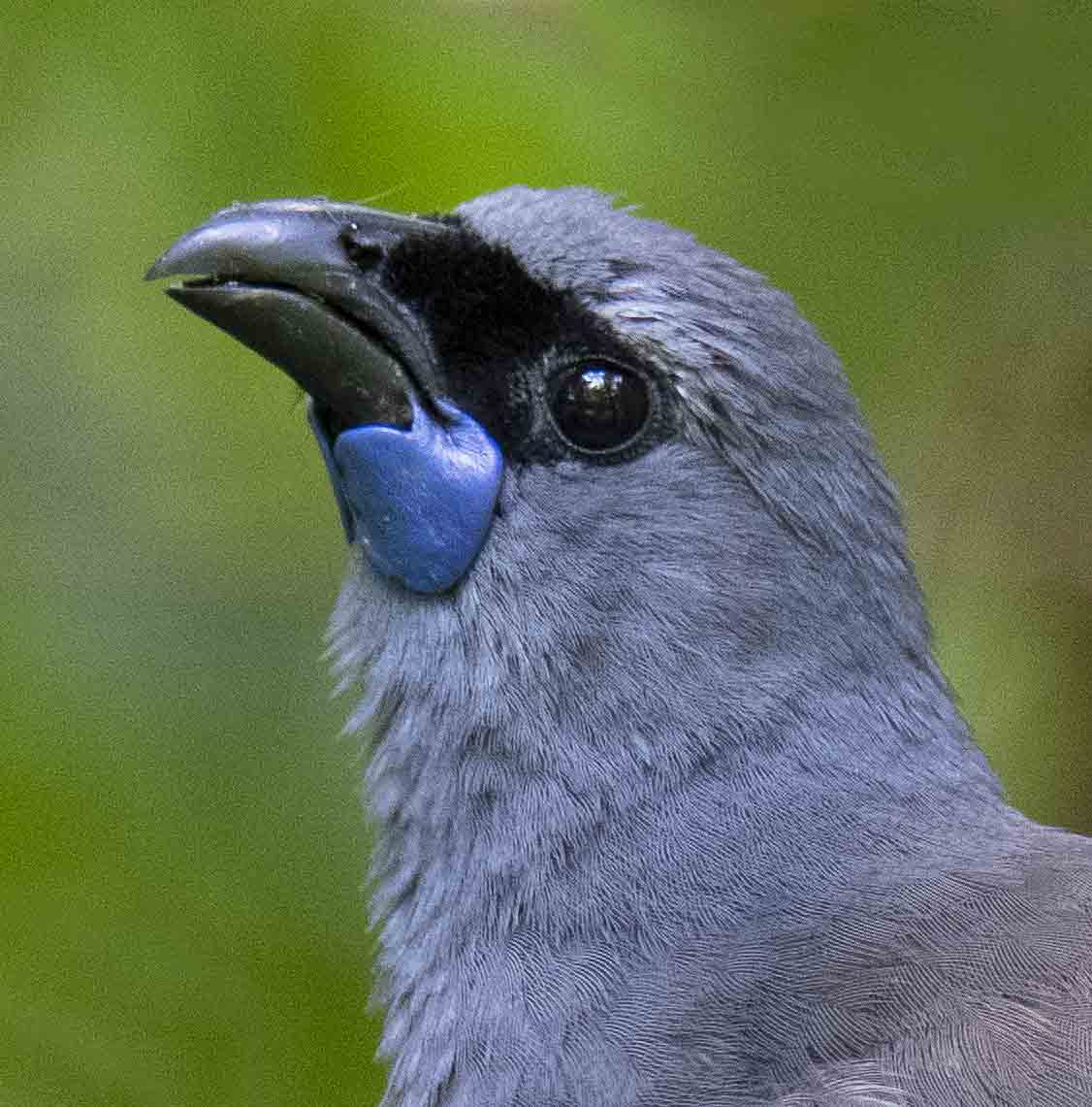
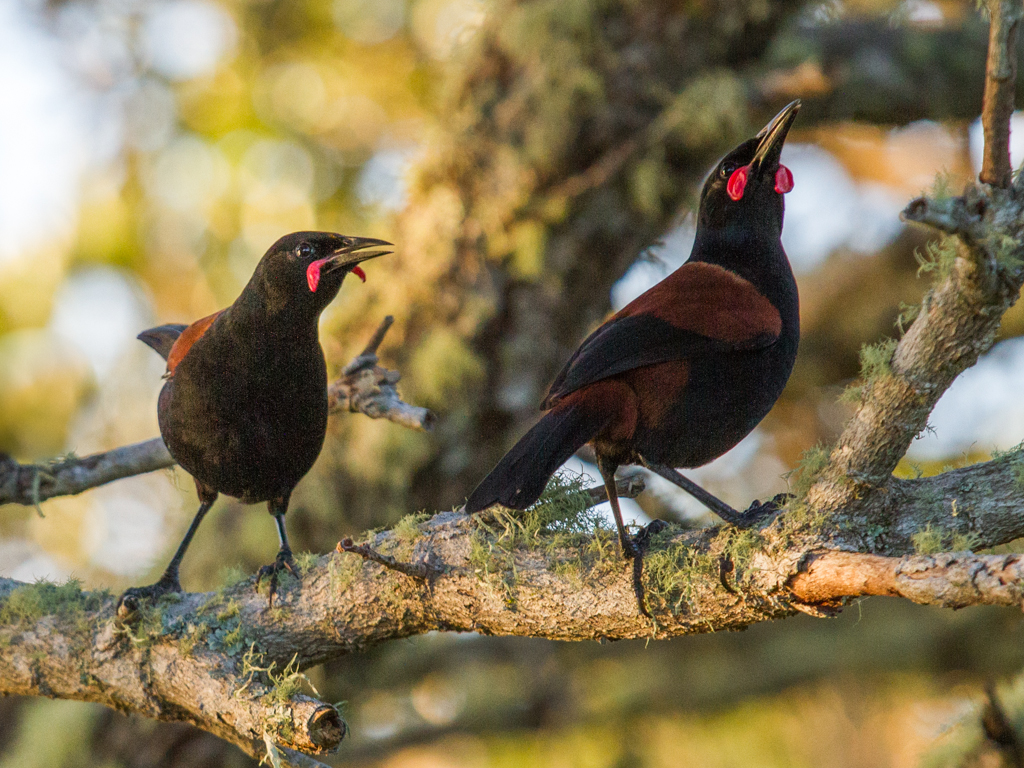
Up and out, camera ready and heading towards the sunrise kōkako calls
[vc_row row_height_percent="65" back_image="4827" overlay_alpha="50" gutter_size="3" column_width_percent="100" shift_y="0" z_index="0" uncode_shortcode_id="790721"][vc_column column_width_percent="100" position_vertical="middle" align_horizontal="align_center" gutter_size="3" overlay_color="color-584830" overlay_alpha="80" shift_x="0" shift_y="0" shift_y_down="0" z_index="0" medium_width="0" mobile_width="0" width="1/1"][vc_custom_heading text_color="color-xsdn" text_size="fontsize-321034" uncode_shortcode_id="752792" text_color_type="uncode-palette"]Up and out, camera ready and heading towards the sunrise kōkako calls[/vc_custom_heading][/vc_column][/vc_row][vc_row][vc_column width="1/4"][vc_custom_heading heading_semantic="h4" text_size="h4" uncode_shortcode_id="745767"]Author: Darren Markin
Date: 21/03/23[/vc_custom_heading][/vc_column][vc_column width="1/4"][/vc_column][vc_column width="1/4"][/vc_column][vc_column width="1/4"][/vc_column][/vc_row][vc_row][vc_column width="1/1"][vc_column_text uncode_shortcode_id="163778"]Staying overnight on Tiritiri Matangi often means an early start. Up and out, camera ready and heading towards the sunrise because kōkako calls. As always, another exciting day is ahead. I know what birds I'm likely to see but the surprise is to see them in an unexpected way. This is so true of kōkako. Will they be on the ground, low down in the bush, more than one together, feeding, calling, petting ....?? On this particular day, I had been out wandering most of the time.
Once the ferry had departed, I headed for the Wattle Track and sat on my stool behind the large bench which faces the lower/ bottom water trough. Listening for the faintest of kōkako calls. All quiet to begin with. Out comes my book. Patience needed. Several chapters later, I hear them. Behind me, up in the trees, calling to each other, very quietly as they feed. Just the odd notes, but I only need one. Book down, camera, ears and eyes are now on full alert. They are now above me. Suddenly, Te Rangi Pai comes down and begins drinking at the water trough. In swoops her partner, Hemi, very quickly and he begins feeding her the small green berries. The element of surprise is there, right in front of me. Amazing. She soon hops away, along the fence and up into the trees. Hemi has a drink and follows her. The courtship feeding was over quickly. I've seen this pair many times together at the trough, drinking and petting, but not feeding like in the photograph. The pair stay around, feeding and cooing to each other. It's an amazing feeling to witness such behaviour of these birds and such a privilege to be out on Tiritiri Matangi. The kōkako moves on and I'm left alone. Time to head back to the bunkhouse, for some dinner and to check on the many photos from the day's experiences.[/vc_column_text][/vc_column][/vc_row][vc_row row_height_percent="0" overlay_alpha="50" gutter_size="3" column_width_percent="100" shift_y="0" z_index="0" uncode_shortcode_id="155460"][vc_column column_width_percent="100" gutter_size="3" override_padding="yes" column_padding="2" overlay_alpha="50" shift_x="0" shift_y="0" shift_y_down="0" z_index="0" medium_width="0" mobile_width="0" shadow="xs" width="1/1" uncode_shortcode_id="181790"][vc_row_inner row_inner_height_percent="0" overlay_alpha="50" equal_height="yes" gutter_size="3" shift_y="0" z_index="0" uncode_shortcode_id="169089"][vc_column_inner column_width_percent="100" position_vertical="middle" align_horizontal="align_center" gutter_size="3" overlay_alpha="50" shift_x="0" shift_y="0" shift_y_down="0" z_index="0" medium_width="0" mobile_width="0" width="1/2" uncode_shortcode_id="382822"][vc_single_image media="4830" media_width_percent="100" media_ratio="four-three" alignment="right" advanced="yes" media_overlay_opacity="50" media_padding="2" uncode_shortcode_id="179952"][/vc_column_inner][vc_column_inner column_width_percent="100" position_vertical="middle" align_horizontal="align_center" gutter_size="3" overlay_alpha="50" shift_x="0" shift_y="0" shift_y_down="0" z_index="0" medium_width="0" mobile_width="0" width="1/2" uncode_shortcode_id="194832"][vc_single_image media="4829" media_width_percent="100" media_ratio="four-three" uncode_shortcode_id="956103"][/vc_column_inner][/vc_row_inner][vc_custom_heading text_color="color-849512" text_size="h6" uncode_shortcode_id="129877" text_color_type="uncode-palette"][/vc_custom_heading][/vc_column][/vc_row][vc_row row_height_percent="0" overlay_alpha="50" gutter_size="3" column_width_percent="100" shift_y="0" z_index="0" uncode_shortcode_id="155460"][vc_column column_width_percent="100" gutter_size="3" override_padding="yes" column_padding="2" overlay_alpha="50" shift_x="0" shift_y="0" shift_y_down="0" z_index="0" medium_width="0" mobile_width="0" shadow="xs" width="1/1" uncode_shortcode_id="181790"][vc_row_inner row_inner_height_percent="0" overlay_alpha="50" equal_height="yes" gutter_size="3" shift_y="0" z_index="0" uncode_shortcode_id="169089"][vc_column_inner column_width_percent="100" position_vertical="middle" align_horizontal="align_center" gutter_size="3" overlay_alpha="50" shift_x="0" shift_y="0" shift_y_down="0" z_index="0" medium_width="0" mobile_width="0" width="1/2" uncode_shortcode_id="382822"][vc_single_image media="4832" media_width_percent="100" media_ratio="four-three" alignment="right" advanced="yes" media_overlay_opacity="50" media_padding="2" uncode_shortcode_id="145997"][/vc_column_inner][vc_column_inner column_width_percent="100" position_vertical="middle" align_horizontal="align_center" gutter_size="3" overlay_alpha="50" shift_x="0" shift_y="0" shift_y_down="0" z_index="0" medium_width="0" mobile_width="0" width="1/2" uncode_shortcode_id="194832"][vc_single_image media="4833" media_width_percent="100" media_ratio="four-three" uncode_shortcode_id="565938"][/vc_column_inner][/vc_row_inner][vc_custom_heading text_color="color-849512" text_size="h6" uncode_shortcode_id="326979" text_color_type="uncode-palette"][/vc_custom_heading][/vc_column][/vc_row][vc_row row_height_percent="0" overlay_alpha="50" gutter_size="3" column_width_percent="100" shift_y="0" z_index="0" uncode_shortcode_id="155460"][vc_column column_width_percent="100" gutter_size="3" override_padding="yes" column_padding="2" overlay_alpha="50" shift_x="0" shift_y="0" shift_y_down="0" z_index="0" medium_width="0" mobile_width="0" shadow="xs" width="1/1" uncode_shortcode_id="181790"][vc_row_inner row_inner_height_percent="0" overlay_alpha="50" equal_height="yes" gutter_size="3" shift_y="0" z_index="0" uncode_shortcode_id="169089"][vc_column_inner column_width_percent="100" position_vertical="middle" align_horizontal="align_center" gutter_size="3" overlay_alpha="50" shift_x="0" shift_y="0" shift_y_down="0" z_index="0" medium_width="0" mobile_width="0" width="1/2" uncode_shortcode_id="382822"][vc_single_image media="4835" media_width_percent="100" alignment="right" advanced="yes" media_overlay_opacity="50" media_padding="2" uncode_shortcode_id="378522"][/vc_column_inner][/vc_row_inner][vc_custom_heading text_color="color-849512" text_size="h6" uncode_shortcode_id="326979" text_color_type="uncode-palette"][/vc_custom_heading][/vc_column][/vc_row][vc_row][vc_column width="1/1"][vc_column_text uncode_shortcode_id="971580"]Photo credit: Darren Markin[/vc_column_text][/vc_column][/vc_row]
Common Stuff
[vc_row row_height_percent="65" back_image="4814" overlay_alpha="50" gutter_size="3" column_width_percent="100" shift_y="0" z_index="0" uncode_shortcode_id="926079"][vc_column column_width_percent="100" position_vertical="middle" align_horizontal="align_center" gutter_size="3" overlay_color="color-584830" overlay_alpha="80" shift_x="0" shift_y="0" shift_y_down="0" z_index="0" medium_width="0" mobile_width="0" width="1/1"][vc_custom_heading text_color="color-xsdn" text_size="fontsize-321034" uncode_shortcode_id="153161" text_color_type="uncode-palette"]Common Stuff[/vc_custom_heading][/vc_column][/vc_row][vc_row][vc_column width="1/4"][vc_custom_heading heading_semantic="h4" text_size="h4" uncode_shortcode_id="105210"]Author: Mike Dye
Date: 22/05/23[/vc_custom_heading][/vc_column][vc_column width="1/4"][/vc_column][vc_column width="1/4"][/vc_column][vc_column width="1/4"][/vc_column][/vc_row][vc_row][vc_column width="1/1"][vc_column_text uncode_shortcode_id="610387"]My first venture down the slope behind the Fog Horn shed brought me to a little grassy patch where my tripod could stand. Peering through the telescope it was not clear whether all the squatting red-billed gulls were on nests, but this twin-peaked rock, just south of the bay, was obviously a favoured breeding site. Weaving a heavy tripod through a tangle of flax and cabbage trees was a bit cumbersome but, on reaching the northern side of this little promontory, a large curl-shaped rock came into view with a colony of gulls dotted along its ridge line and, below me, binoculars revealed a small rocky platform crowded with busy occupants and obvious nests.
I'd been invited to assess the breeding numbers of common inshore seabirds around the coastal fringe of the island. How do you view our coast from the land? So many steep bush-clad slopes and hidden gullies! Old hands will have known much of the territory but for me, it was an exciting new exploration. In that first year, I located a small colony of black-backed gulls on a handful of rocky islets just off the North-east Bay track. As I ate lunch, after counting those gulls a reef heron carrying fish flew into the bay. On landing, two juveniles came scrabbling out of the bushes to meet the parent - the only proof of its breeding in the ten years this survey has now run.
Carne Blandy, Oscar Thomas and Rachel Taylor each helped for a season in different years but for the last 5 years Roy Gosney and I shared this work together; making about 8 visits each season to gauge the build-up and peak of breeding numbers. Access to the two black-backed gull colonies, long established on the west coast, can be fun. Coprosma completely hides the access to the one below the Papakura Pa site, so I dread to think what visitors thought if they caught sight of two old buffers emerging from a dense thicket! And getting to the rocky outcrop at North-west Point has also become an adventure as the track dwindles and we two disappear into the ever-burgeoning flax and twiggery; but it's well worth the scramble, to arrive in the quiet atmosphere of the little grassy plateau overlooking the breeding site and up the Tiritiri Matangi coastline northwards.[/vc_column_text][/vc_column][/vc_row][vc_row row_height_percent="0" overlay_alpha="50" gutter_size="3" column_width_percent="100" shift_y="0" z_index="0" uncode_shortcode_id="155460"][vc_column column_width_percent="100" gutter_size="3" override_padding="yes" column_padding="2" overlay_alpha="50" shift_x="0" shift_y="0" shift_y_down="0" z_index="0" medium_width="0" mobile_width="0" shadow="xs" width="1/1" uncode_shortcode_id="181790"][vc_row_inner row_inner_height_percent="0" overlay_alpha="50" equal_height="yes" gutter_size="3" shift_y="0" z_index="0" uncode_shortcode_id="169089"][vc_column_inner column_width_percent="100" position_vertical="middle" align_horizontal="align_center" gutter_size="3" overlay_alpha="50" shift_x="0" shift_y="0" shift_y_down="0" z_index="0" medium_width="0" mobile_width="0" width="1/2" uncode_shortcode_id="154793"][vc_single_image media="4819" media_width_percent="100" media_ratio="four-three" alignment="right" advanced="yes" media_overlay_opacity="50" media_padding="2" uncode_shortcode_id="217924"][/vc_column_inner][vc_column_inner column_width_percent="100" position_vertical="middle" align_horizontal="align_center" gutter_size="3" overlay_alpha="50" shift_x="0" shift_y="0" shift_y_down="0" z_index="0" medium_width="0" mobile_width="0" width="1/2" uncode_shortcode_id="262719"][vc_single_image media="4813" media_width_percent="100" media_ratio="four-three" uncode_shortcode_id="147058"][/vc_column_inner][/vc_row_inner][vc_custom_heading text_color="color-849512" text_size="h6" uncode_shortcode_id="794531" text_color_type="uncode-palette"]Left: Caspian Tern
Photo credit: Martin Sanders
Right: Pied Shag
Photo credit: Simon Fordham[/vc_custom_heading][/vc_column][/vc_row][vc_row][vc_column width="1/1"][vc_column_text uncode_shortcode_id="162044"]Whilst the two gull species are always present, their breeding numbers vary, red-bills between 100 and 350 pairs, black-backs between 30 and 45. The Pied-shag colony remains fairly static with 6-8 nests, but tern numbers are the least predictable with a single paid of Caspians in just 2 or 3 survey years and white-fronted tern ranging from none years to 120 pairs at best. Our Biodiversity Team wants to monitor these common birds as well as the rarer species our island hosts.
In July I move to Cambridge and have to leave Roy to do next seasons counting. I'm sure he would welcome a new survey partner. It's been a joy and privilege to explore some of the hidden parts of Tiritiri Matangi and share that experience with others. For this wonderful place and the lovely people I've met here, I give thanks![/vc_column_text][/vc_column][/vc_row][vc_row row_height_percent="0" overlay_alpha="50" gutter_size="3" column_width_percent="100" shift_y="0" z_index="0" uncode_shortcode_id="155460"][vc_column column_width_percent="100" gutter_size="3" override_padding="yes" column_padding="2" overlay_alpha="50" shift_x="0" shift_y="0" shift_y_down="0" z_index="0" medium_width="0" mobile_width="0" shadow="xs" width="1/1" uncode_shortcode_id="181790"][vc_row_inner row_inner_height_percent="0" overlay_alpha="50" equal_height="yes" gutter_size="3" shift_y="0" z_index="0" uncode_shortcode_id="169089"][vc_column_inner column_width_percent="100" position_vertical="middle" align_horizontal="align_center" gutter_size="3" overlay_alpha="50" shift_x="0" shift_y="0" shift_y_down="0" z_index="0" medium_width="0" mobile_width="0" width="1/2" uncode_shortcode_id="382822"][vc_single_image media="4818" media_width_percent="100" media_ratio="four-three" alignment="right" advanced="yes" media_overlay_opacity="50" media_padding="2" uncode_shortcode_id="100058"][/vc_column_inner][vc_column_inner column_width_percent="100" position_vertical="middle" align_horizontal="align_center" gutter_size="3" overlay_alpha="50" shift_x="0" shift_y="0" shift_y_down="0" z_index="0" medium_width="0" mobile_width="0" width="1/2" uncode_shortcode_id="194832"][vc_single_image media="4814" media_width_percent="100" media_ratio="four-three" uncode_shortcode_id="141987"][/vc_column_inner][/vc_row_inner][vc_custom_heading text_color="color-849512" text_size="h6" uncode_shortcode_id="113274" text_color_type="uncode-palette"]Left: White Fronted Tern
Photo credit: Derek Tearne
Right: Red-billed Gull
Photo credit: Derek Tearne[/vc_custom_heading][/vc_column][/vc_row]