Discover a whole new world of wildlife on Tiritiri Matangi
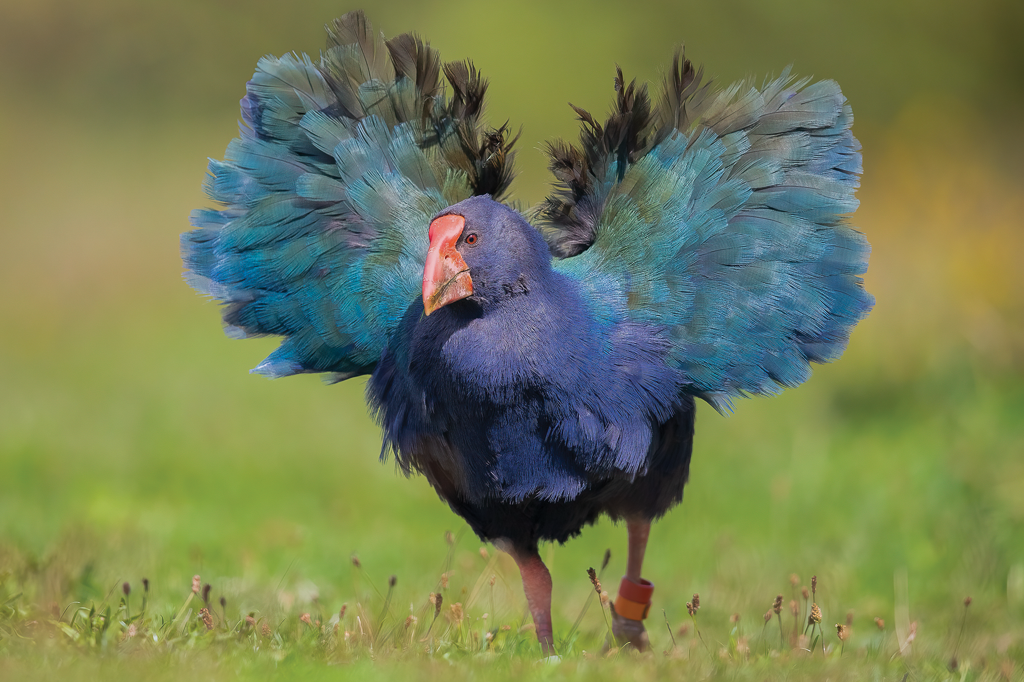
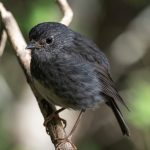
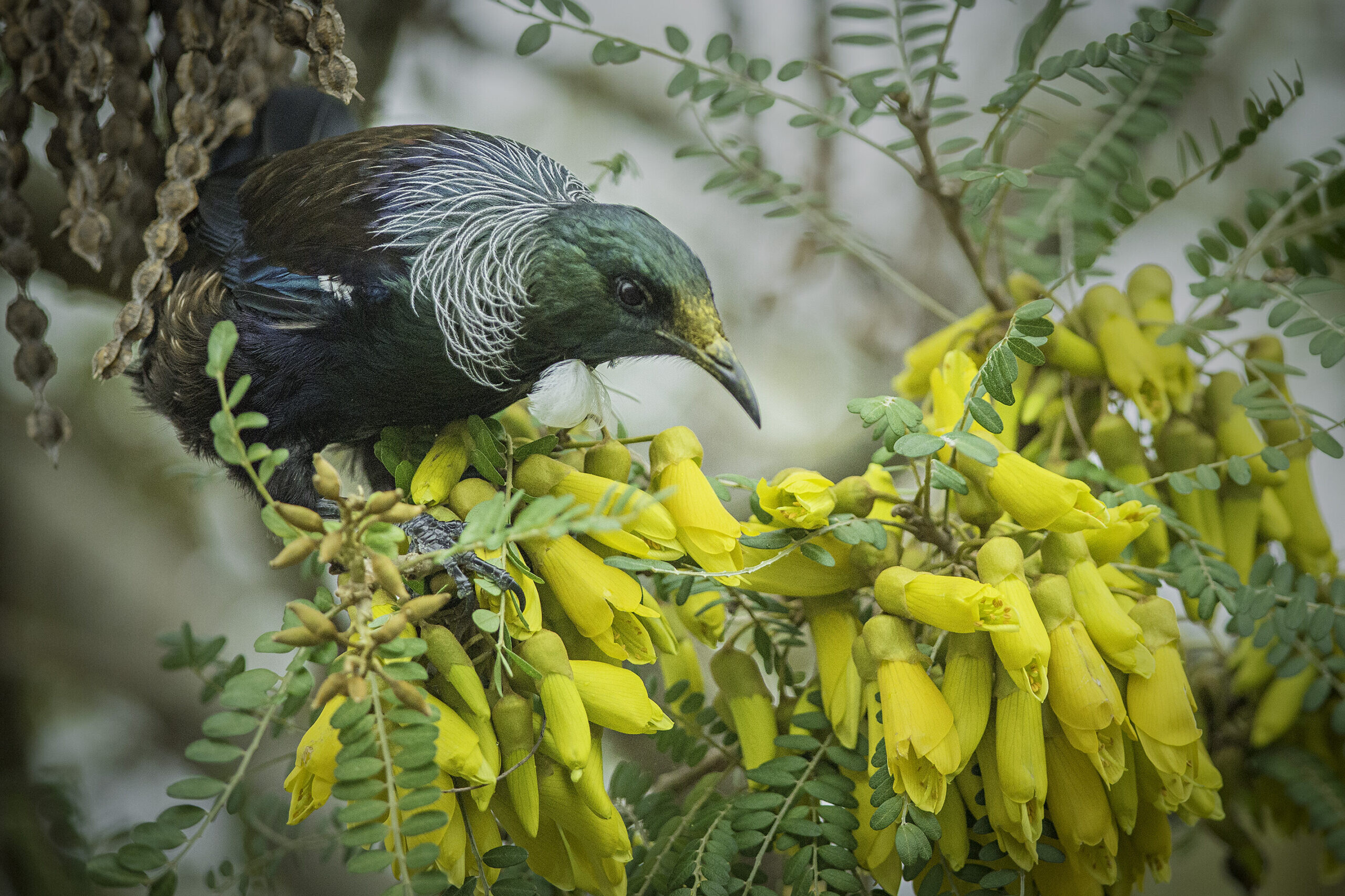
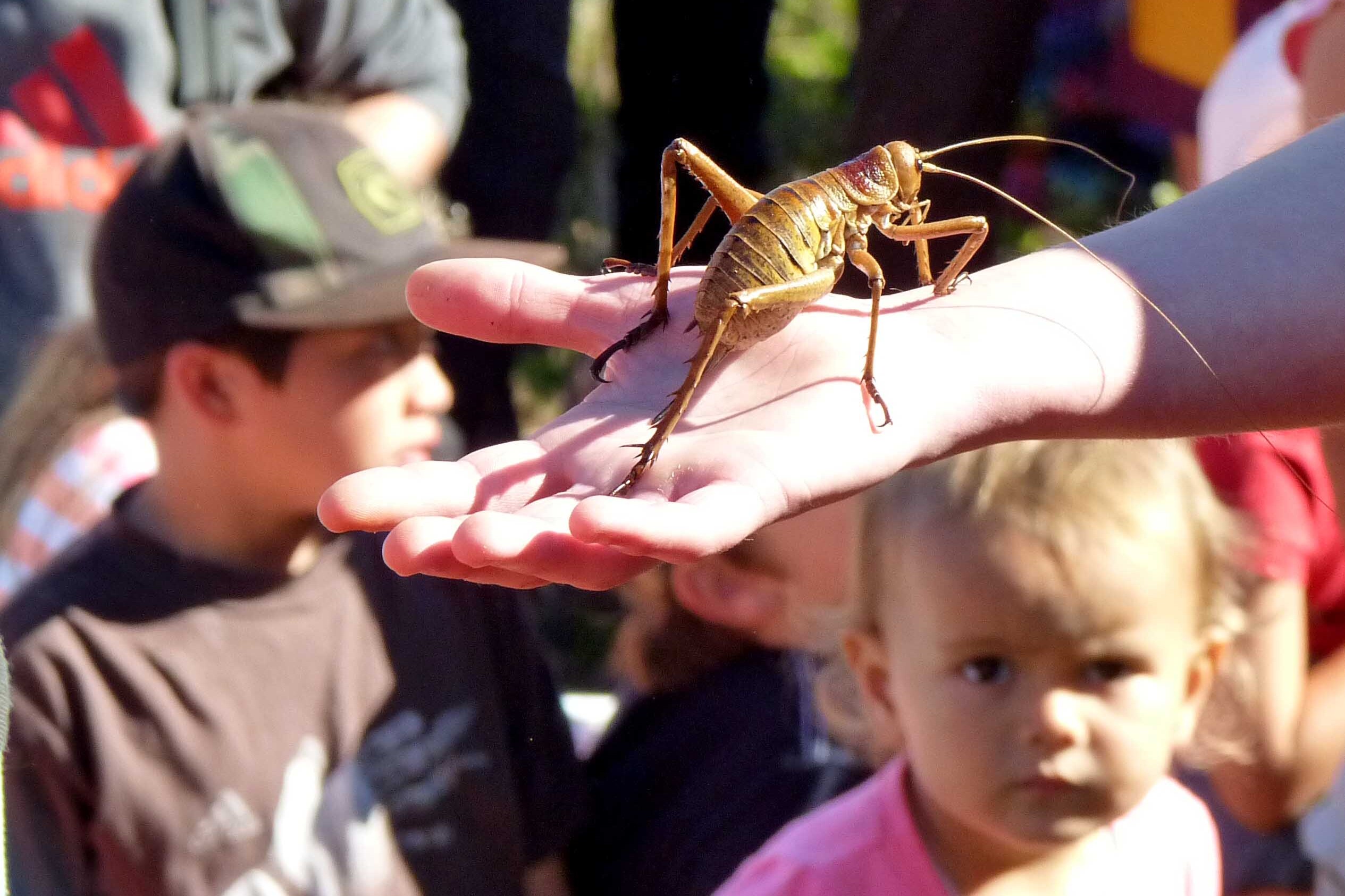
Enjoy up-close encounters with the wildlife of Tiritiri Matangi. Bird-lovers should look out for the tīeke (North Island Saddleback), hihi (stitchbird), takahē, kōkako and many others. Reptile enthusiasts may glimpse tuataras, Duvaucel’s geckos, shore skinks or insects such as the wētāpunga (giant wētā). Guided walks are highly recommended and offer the best chance to spot a variety of wildlife.
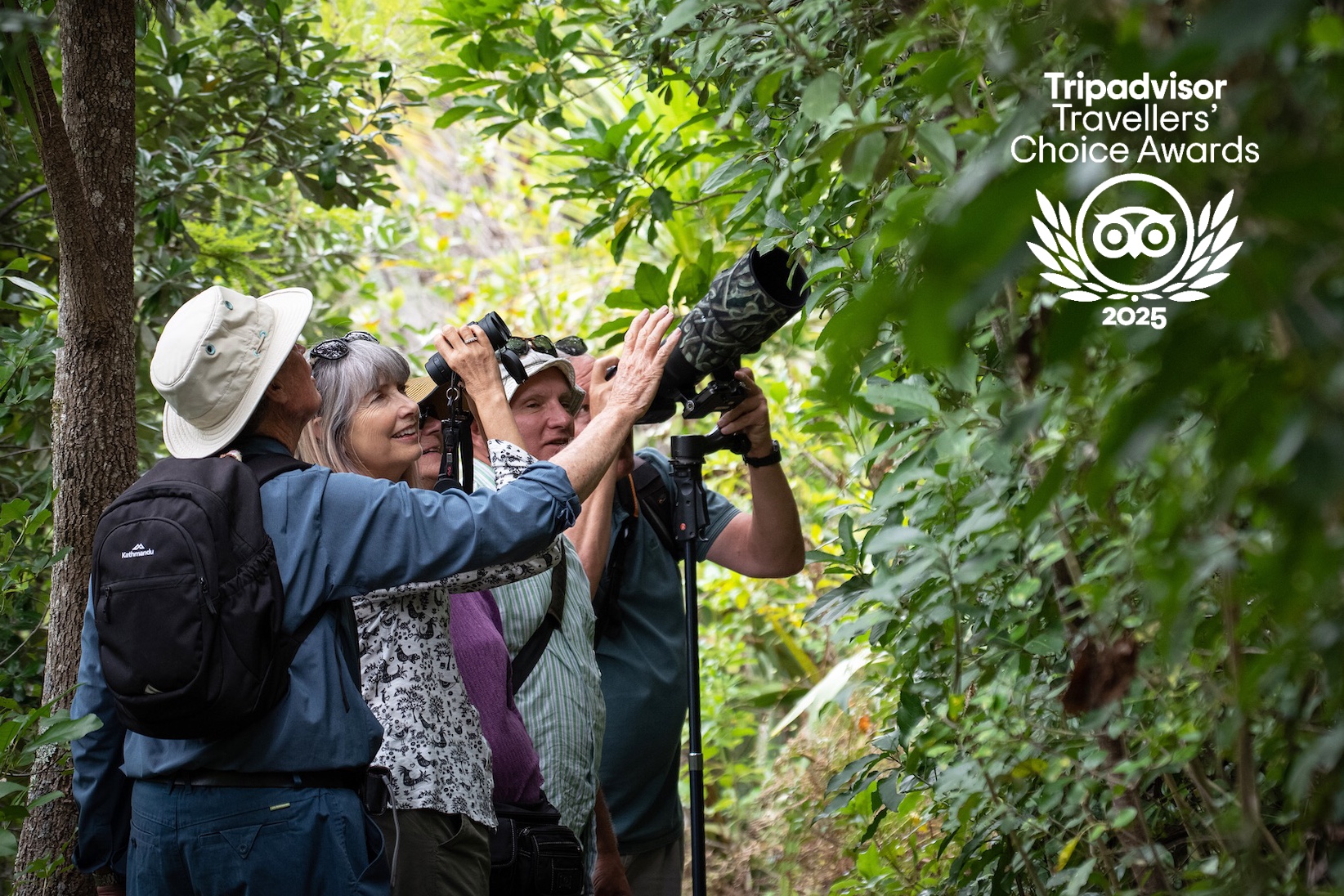
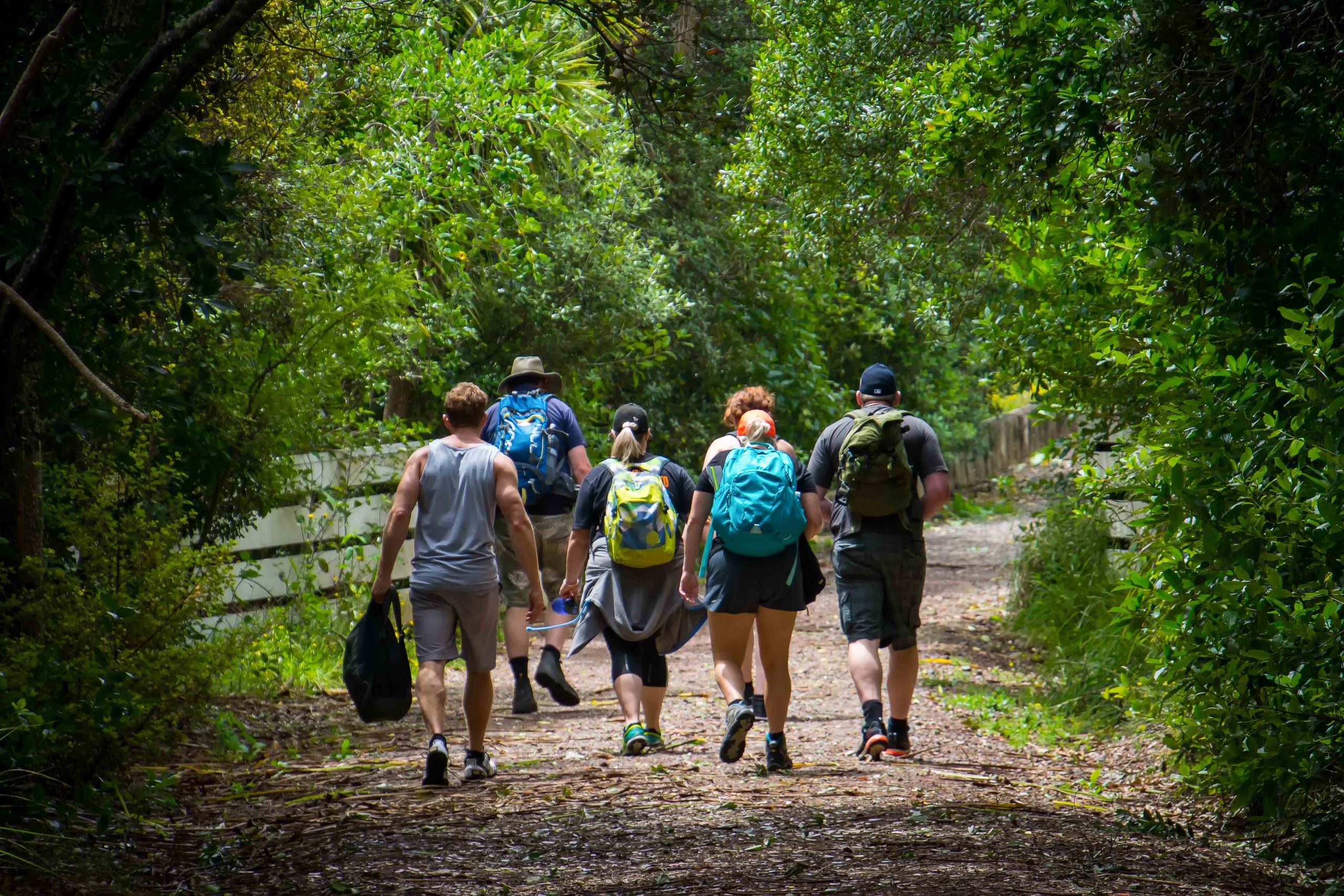
The best way to discover a wide range of forest and bird life on Tiritiri Matangi is with a guided tour. These tours can be booked along with your ferry ticket and are run by our knowledgeable volunteers.
Specialist guided walks Private tours and specialised guided walks are also available and can be tailored to special interests such as birding, photography or flora. Email shop@tiritirimatangi.org.nz for more details and prices.
Tiritiri Matangi’s story is deeply rooted in history. Archaeological excavation during the construction of the wharf showed that Māori were living on the island by the 14th century, catching coastal birds and fish for food. They continue to maintain strong connections to the island today.
Later, European farming reshaped the landscape, and a lighthouse settlement was established. The island’s lighthouse – New Zealand’s third ever built and the oldest still operating – remains an iconic landmark.
The articles below detail the island’s history since European settlement in Aotearoa. Information on Tangata Whenua can be found on the Department of Conservation website.
A thriving ecosystem, reclaimed by volunteers
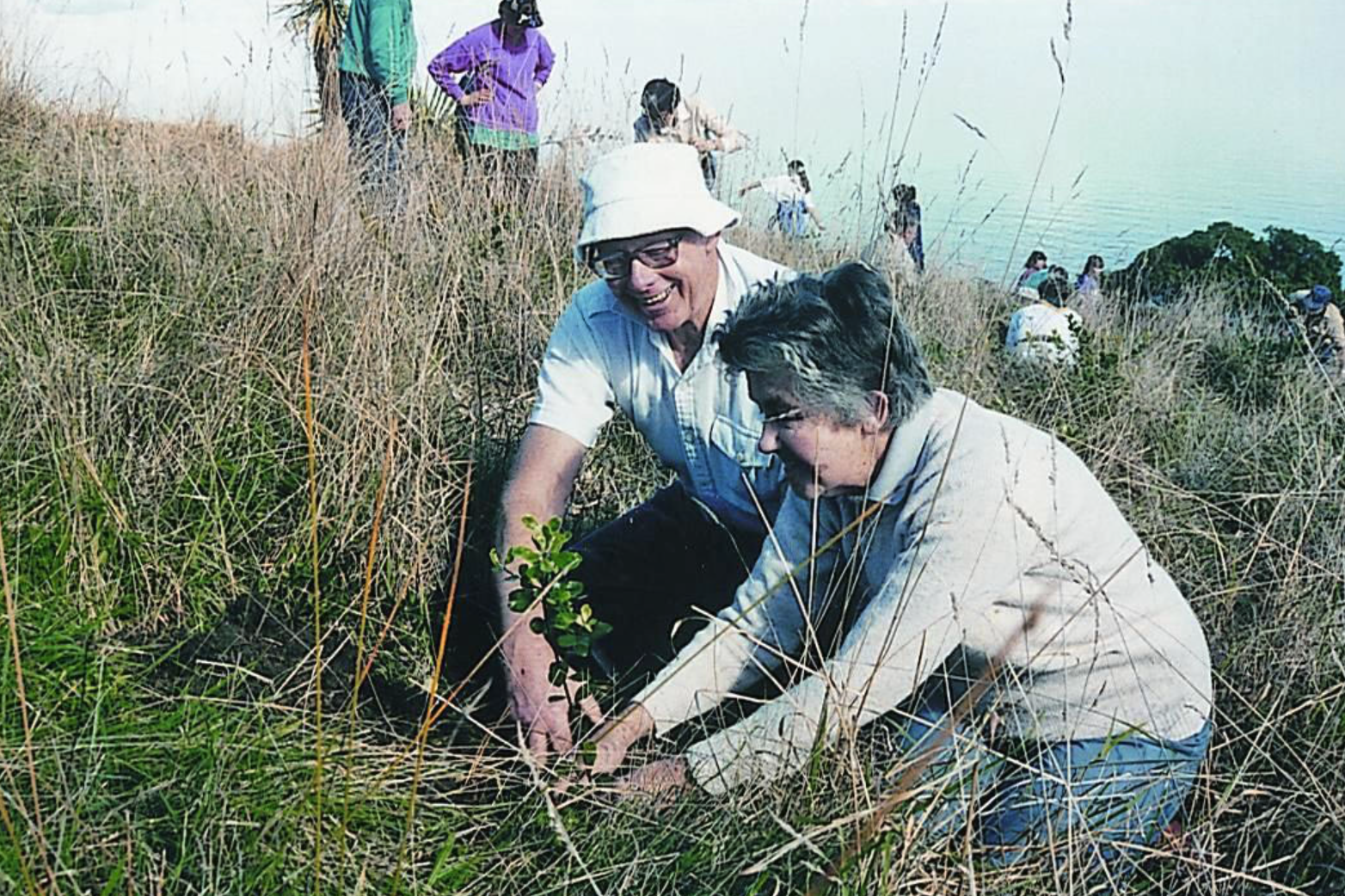
Find out how Tiritiri Matangi was transformed from farmland to the diverse and thriving native wonderland we enjoy today, in just 50 years, thanks to a hardy team of visionaries and decades of dedicated volunteers.
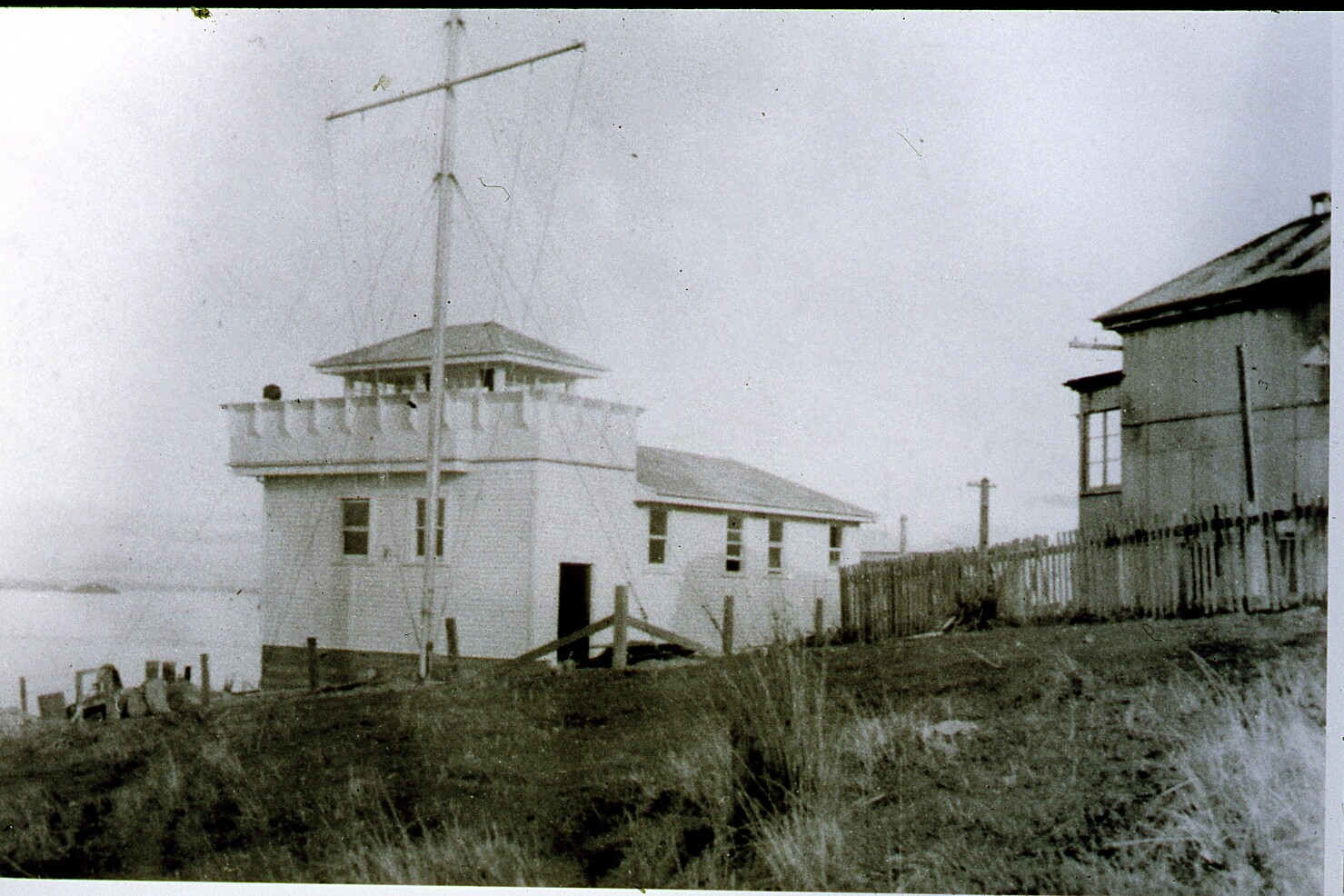
Once home to the brightest light in the Southern Hemisphere, Tiritiri Matangi has a rich maritime history. Equipped with a signal mast, foghorn and a lighthouse, the island served to bring boats into the harbour when steam was replacing wind-power in the 1860s.
During the Second World War (1939-45) the island was part of the Auckland Harbour defences. Housing a Fortress Observation Post, the island was home to Navy personnel who were stationed there to identify any approaching vessels.
A nature lover’s dream, just outside the city. Tiritiri Matangi was easily the highlight of my trip to Auckland. It’s a must do for anyone visiting. The island has been returned to a natural state through extensive volunteer work, and it feels like a privilege to get to visit it. For an extra ten dollars, you can add on a guided tour with the ferry ticket. It was worth so much more than this small fee, which also goes toward supporting the island. My guide, Ian, spent nearly three hours teaching us about the island, including its history, the flora and of course, the birds. His knowledge was extensive and his passion was infectious. I wish I had another day to go back again! Saw almost twenty different species of birds. Just sit and soon you become immersed in the forest as birds flutter past and their songs fill your ears. Absolutely worth it.Tripadvisor review, November 2024
We did a private guided tour with Chris and had an amazing time on this beautiful island. Chris knew so much about the birds and was expert at spotting them – we saw just about every species (of course the spotted kiwi only come out at night though). This is a must-see if you are in Auckland.
I highly recommend the private tour – it’s very reasonable and you are so much more likely to see birds if you are not in a big group. The ferry ride to the island is quite nice as well. A big thank you to the volunteers who make this place possible. Bringing back endangered species is no small task. Chris also gave us some great recommendations for places to go on our trip around the north island. - Burnsville, MNTripadvisor Review, March 2025
What a treasure! Tiritiri Matangi is an open sanctuary, predator free, home to many species that are vulnerable – takahe, kokako, hihi, tieke, tuatara, giant weta.
The effort to restore the island to native flora and fauna began about 50 years ago.
What’s remarkable is that it is just an 80 minute ferry ride from downtown Auckland, NZ’s largest city.
They are serious about keeping the island pristine – no food for sale, take out what you bring in, leave no trace.
I’d recommend paying the $10 to have a guide – not only a great value but the guides are volunteers and all money goes back to protecting the island. There were just four in our group and we took it slowly which resulted in us seeing may species. We walked the Kawerau track and were accompanied by the song from bellbirds and tuis throughout.
There is a small shop where you buy souvenirs. - Silver Spring, MD
Tripadvisor Review, February 2025
Fantastically maintained island/nature reserve, great views, loads of birds to see (close up in many cases) and run by a fantastic team of staff and many volunteers. Shows what can be done to restore natural habitats given the will, time, money, staffing and volunteer support. I’d also recommend using the guides that are available, ours (Ian) was knowledgeable and gave up his time to ensure our visit was even more worthwhile. - Boston, UKTripadvisor Review, February 2025
Planning your trip
A well-planned trip to Tiritiri Matangi Island can be a once-in-a-lifetime experience. Come for the day or stay overnight and discover everything the island has to offer.
Getting to the island
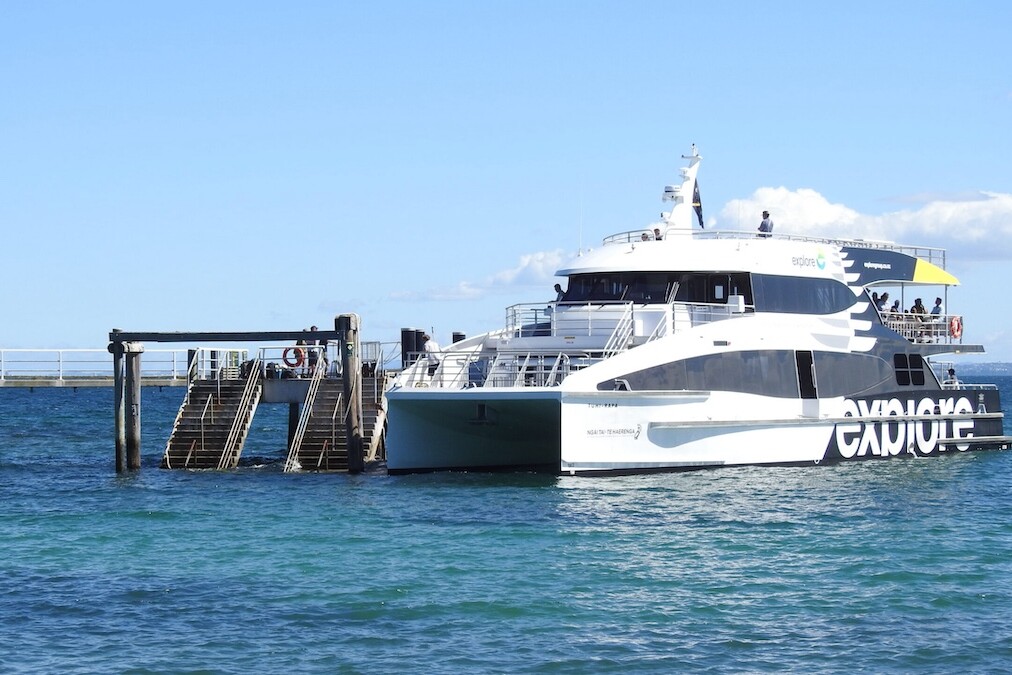
Explore runs a ferry service to Tiritiri Matangi Island from Central Auckland and Gulf Harbour.
When booking your ferry via the Explore website, you have the option to also book one of our guided walks.
Visitors have three options for exploring the island. Guided walks (booked via Explore with your ferry ticket), specialised guided walks (private tours, by arrangement), and self directed walks.
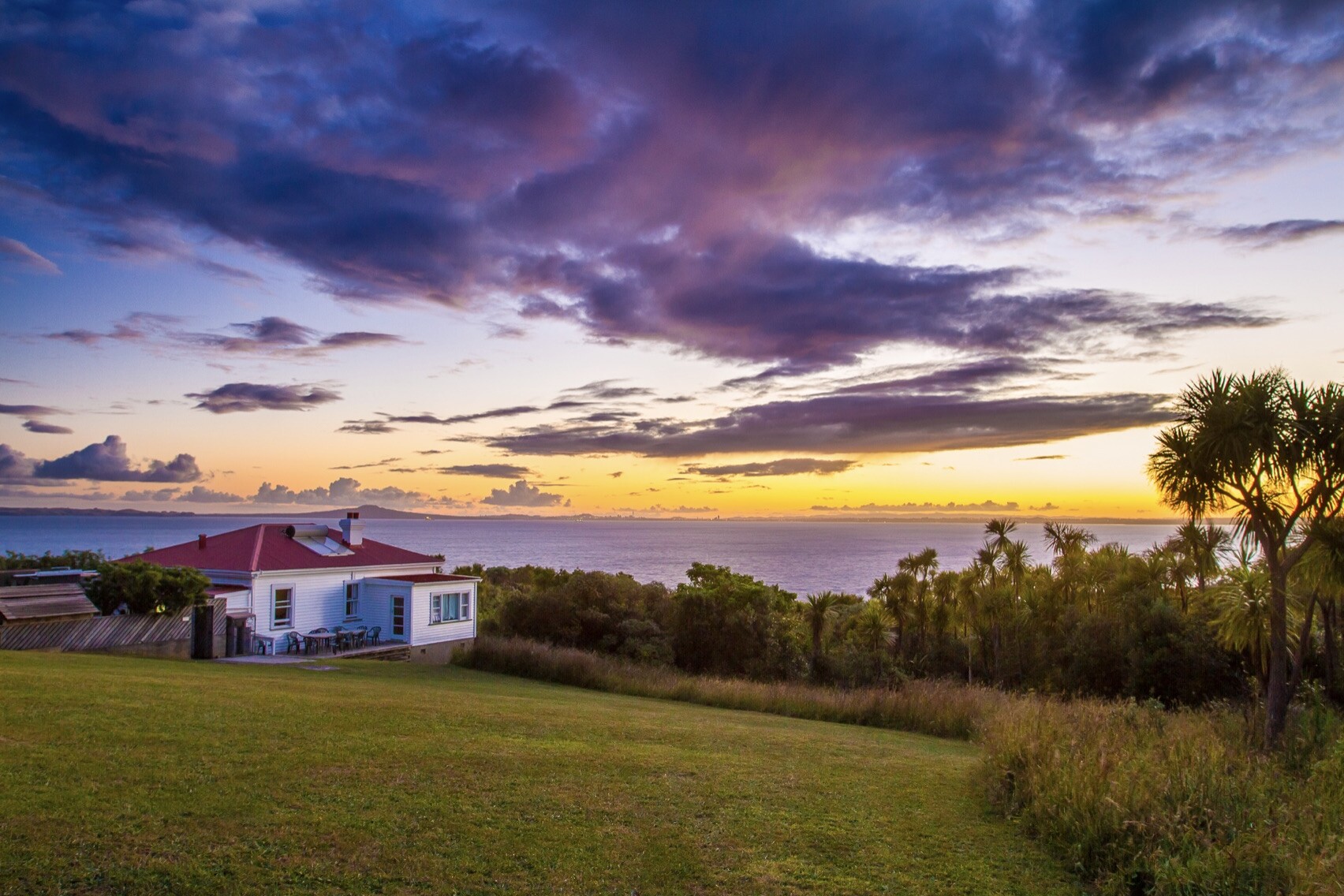
Immerse yourself in the magical dawn chorus by staying overnight in the former lighthouse keeper’s cottage. The cottage has 15 bunks across three rooms, and has well equipped cooking and bathroom facilities.
Spring, summer, autumn or winter; any time is a good time to visit the wildlife of Tiritiri Matangi! Plan your visit with the seasons to observe courtship and nesting activities, or enjoy seasonal plants blooming.
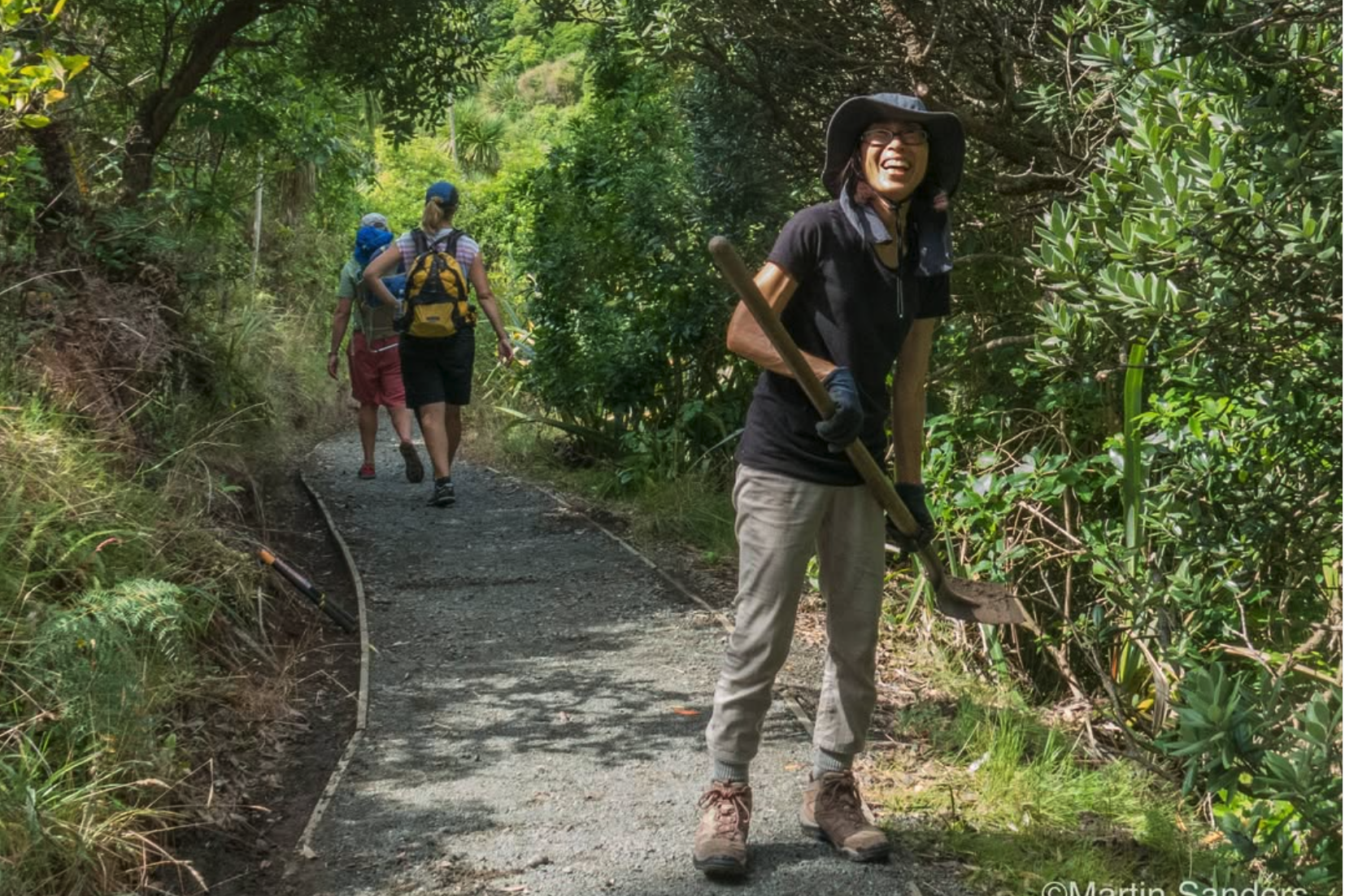
Become a member of the Supporters of Tiritiri Matangi and get involved in the hands-on work on the island. Working Weekends are a wonderful way to help out, get to know the island better and be part of what is happening on Tiritiri Matangi.
There are no pests on the island and we want to keep it that way, so it is important to undertake some checks to ensure that you’re not taking an unwanted hitchhiker.
Check - Your gear for pests such as rodents and insects
Clean - footwear and gear, removing soil and seeds
Seal - ensure your gear is zipped up (no open bags)
When you leave the mainland, it is important to scrub your footwear and double check that you’re not taking any unwanted seeds or pests onto the island. For a detailed checklist, see the Department of Conservation’s guide.