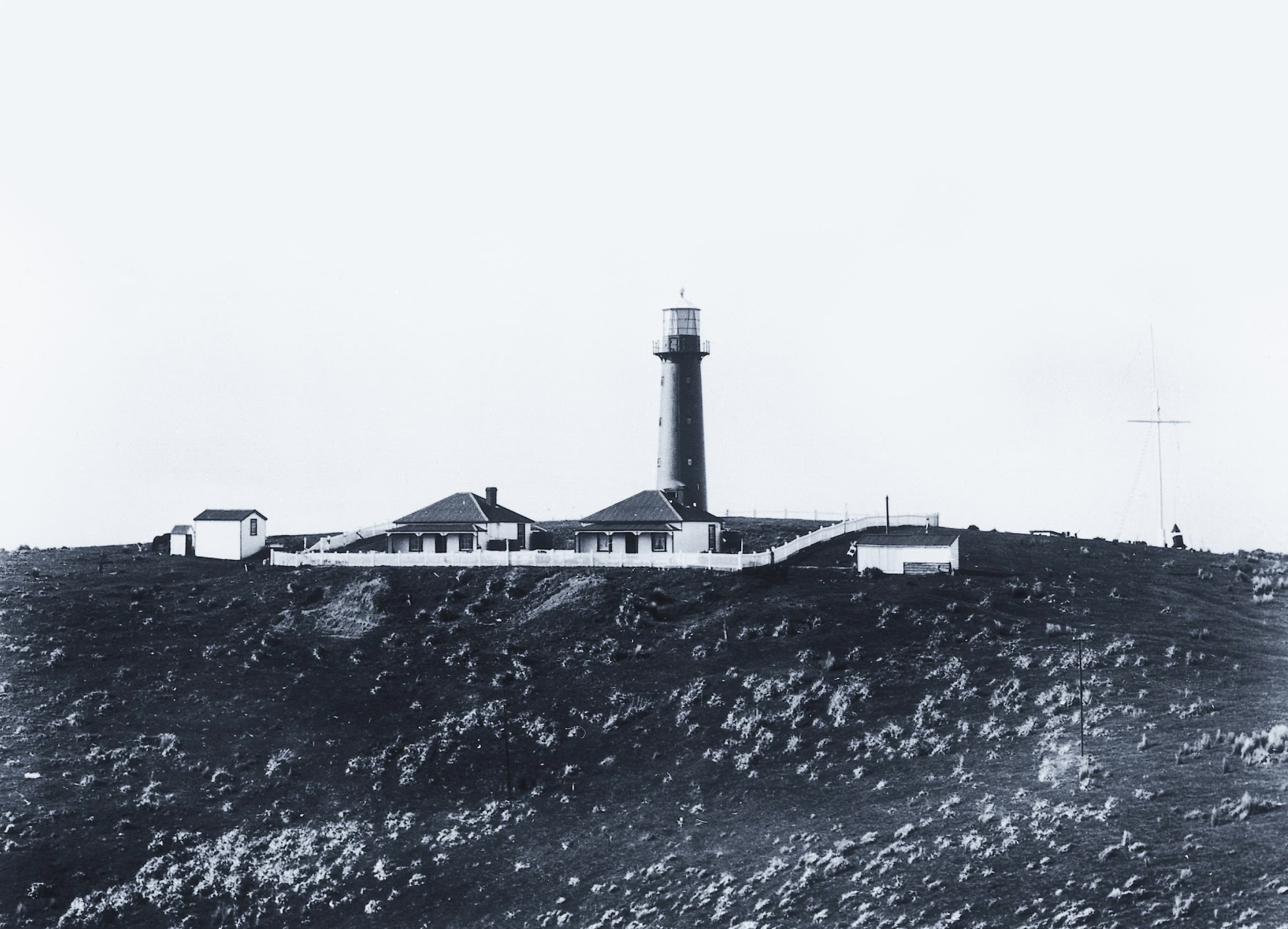
The Story of the Lighthouse Cottages
[vc_row row_height_percent="65" back_image="8399" overlay_alpha="50" gutter_size="3" column_width_percent="100" shift_y="0" z_index="0" content_parallax="0" uncode_shortcode_id="156874"][vc_column column_width_percent="100" position_vertical="middle" align_horizontal="align_center" gutter_size="3" overlay_color="color-584830" overlay_alpha="80" shift_x="0" shift_y="0" shift_y_down="0" z_index="0" medium_width="0" mobile_width="0" width="1/1"][vc_custom_heading text_color="color-xsdn" text_size="fontsize-321034" uncode_shortcode_id="175143" text_color_type="uncode-palette"] The Story of the Lighthouse Cottages [/vc_custom_heading][/vc_column][/vc_row][vc_row][vc_column width="1/4"][vc_custom_heading heading_semantic="h4" text_size="h4" uncode_shortcode_id="167855"]Compiled by Stacey Balich using Tiritiri Matangi: A Model of Conservation and 150th anniversary of the Tiritiri lighthouse written by Anne Rimmer for the Supporters of Tiritiri Matangi Inc Photo credits from the SoTM Archives[/vc_custom_heading][/vc_column][/vc_row][vc_row][vc_column width="1/1"][vc_column_text uncode_shortcode_id="210796"]In 1864, as Auckland’s busy port saw more and more steamships arriving, the New Zealand government commissioned a prefabricated cast-iron lighthouse from Simpson & Co in England. Packed into 279 crates weighing around 75 tonnes, the pieces were shipped across the world and hauled up Tiritiri Matangi’s steep hill by twelve bullocks. Over four months, crews dug three…


The Aldis Lamp
[vc_row row_height_percent="65" back_image="8382" overlay_alpha="50" gutter_size="3" column_width_percent="100" shift_y="0" z_index="0" content_parallax="0" uncode_shortcode_id="141964"][vc_column column_width_percent="100" position_vertical="middle" align_horizontal="align_center" gutter_size="3" overlay_color="color-584830" overlay_alpha="80" shift_x="0" shift_y="0" shift_y_down="0" z_index="0" medium_width="0" mobile_width="0" width="1/1"][vc_custom_heading text_color="color-xsdn" text_size="fontsize-321034" uncode_shortcode_id="126885" text_color_type="uncode-palette"] The Aldis Lamp [/vc_custom_heading][/vc_column][/vc_row][vc_row][vc_column width="1/4"][vc_custom_heading heading_semantic="h4" text_size="h4" uncode_shortcode_id="110170"] Written by Stacey Balich Photo credits: Stacey Balich[/vc_custom_heading][/vc_column][/vc_row][vc_row][vc_column width="1/1"][vc_column_text uncode_shortcode_id="126961"]Imagine standing on the deck of a ship at night, waves crashing around you, holding a small lamp in your hands. You aim it across the dark water, pulling a trigger to tilt a mirror and send a secret message in flashes of light. Before the days of reliable radios, this simple yet ingenious tool was a lifeline for sailors a silent language of dots and dashes that could mean safety, rescue, or vital instructions at sea. Today, the Maritime Precinct is filled with these fascinating tools and technologies from the past and one of the most iconic is the Aldis…
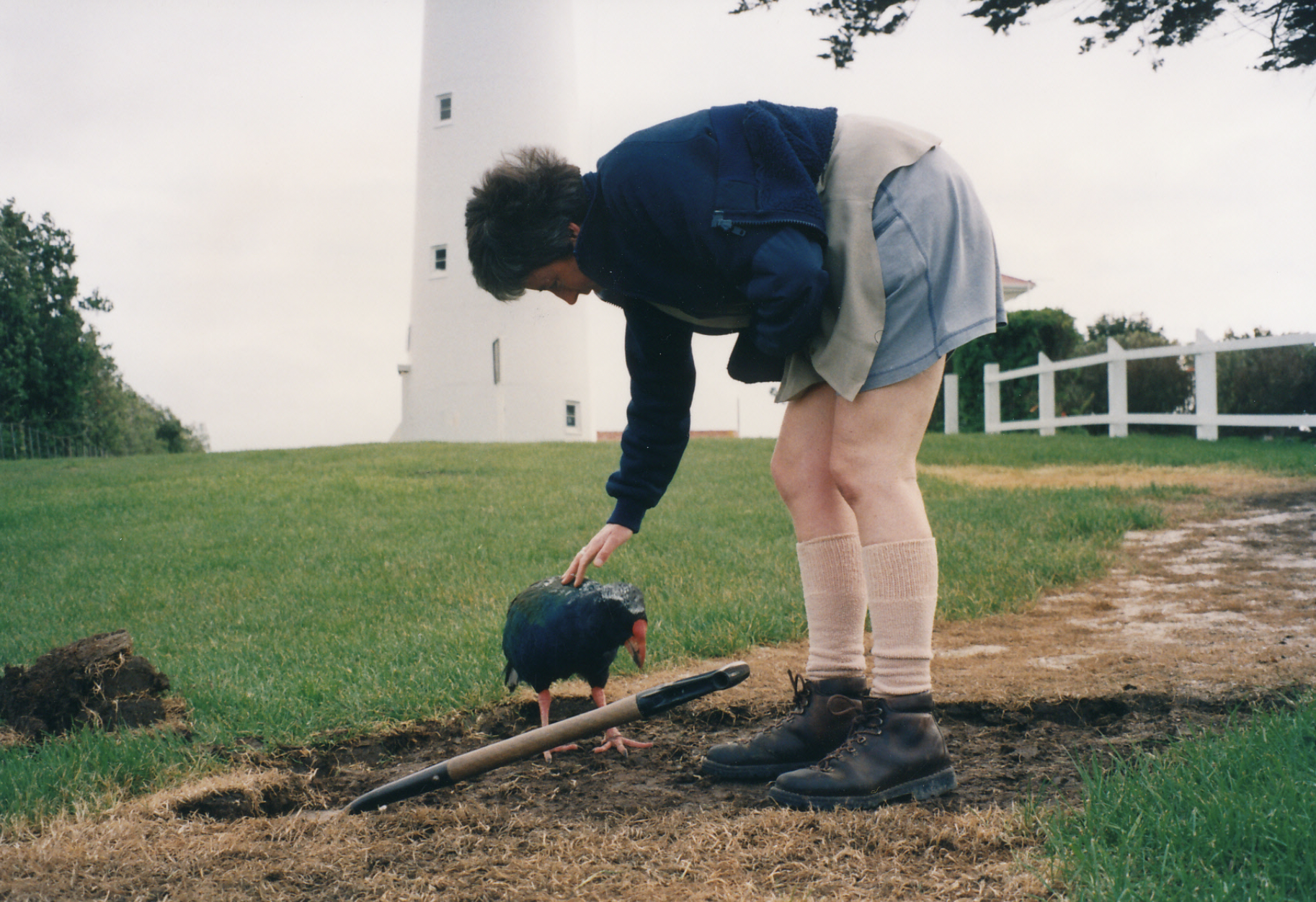
The Life and Time of Mr Blue the Takahē
[vc_row row_height_percent="65" back_image="8043" overlay_alpha="50" gutter_size="3" column_width_percent="100" shift_y="0" z_index="0" content_parallax="0" uncode_shortcode_id="172071"][vc_column column_width_percent="100" position_vertical="middle" align_horizontal="align_center" gutter_size="3" overlay_color="color-584830" overlay_alpha="80" shift_x="0" shift_y="0" shift_y_down="0" z_index="0" medium_width="0" mobile_width="0" width="1/1"][vc_custom_heading text_color="color-xsdn" text_size="fontsize-321034" uncode_shortcode_id="964246" text_color_type="uncode-palette"] The Life and Time of Mr Blue the Takahē [/vc_custom_heading][/vc_column][/vc_row][vc_row][vc_column width="1/4"][vc_custom_heading heading_semantic="h4" text_size="h4" uncode_shortcode_id="135819"]From the Supporters of Tiritiri Matangi Archives. Bulletin 28, Summer 1996/97. Editor Peter Lee[/vc_custom_heading][/vc_column][/vc_row][vc_row][vc_column width="1/1"][vc_column_text uncode_shortcode_id="167343"]For many visitors, Mr Blue was Tiritiri. No visit seemed complete without a sight of the ‘old man’ mischievously investigating visitors around the nursery. Somehow, he always seemed almost human in his fearlessness, his curiosity and his desire to have his chin scratched. It was difficult at times to remember that he in fact was a representative of one of the world’s rarest species. Yet he was… Mr Blue’s story started as an egg collected from the Murchison Mountains in Fiordland and hatched at Te…
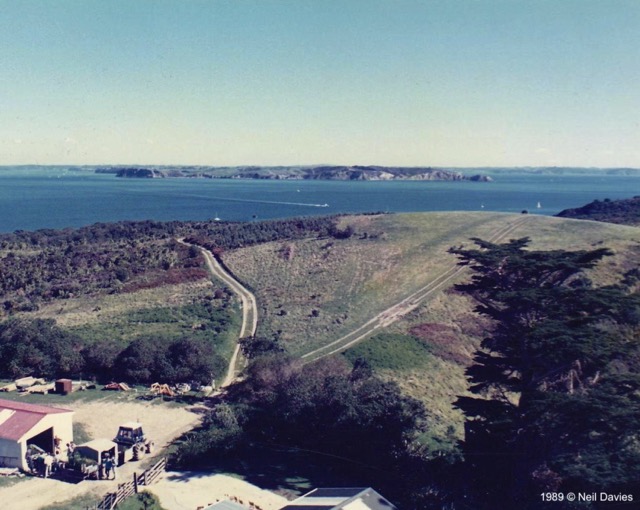
How WWF Sparked New Zealand’s Open Sanctuary
[vc_row row_height_percent="65" back_image="6646" overlay_alpha="50" gutter_size="3" column_width_percent="100" shift_y="0" z_index="0" content_parallax="0" uncode_shortcode_id="144970"][vc_column column_width_percent="100" position_vertical="middle" align_horizontal="align_center" gutter_size="3" overlay_color="color-584830" overlay_alpha="80" shift_x="0" shift_y="0" shift_y_down="0" z_index="0" medium_width="0" mobile_width="0" width="1/1"][vc_custom_heading text_color="color-xsdn" text_size="fontsize-321034" uncode_shortcode_id="518250" text_color_type="uncode-palette"]How WWF Sparked New Zealand’s Open Sanctuary[/vc_custom_heading][/vc_column][/vc_row][vc_row][vc_column width="1/4"][vc_custom_heading heading_semantic="h4" text_size="h4" uncode_shortcode_id="171083"]This narrative is compiled with reference to Anne Rimmer’s detailed account in her book, Tiritiri Matangi: A Model of Conservation.[/vc_custom_heading][/vc_column][/vc_row][vc_row][vc_column width="1/1"][vc_column_text uncode_shortcode_id="175513"]In 1982, Sir Peter Scott, son of legendary Antarctic explorer Captain Robert Falcon Scott, was in New Zealand scouting potential conservation projects for the World Wildlife Fund. A visit to Tiritiri Matangi Island, arranged by his friend Ronald Lockley and accompanied by conservationists John Craig, Neil Mitchell, and Graeme Turbott, sparked his imagination. As they sailed to the island aboard MY Bondi Belle, Scott saw more than just windswept paddocks, he saw…
With Matariki approaching, it is an opportunity to look back and look forward
[vc_row row_height_percent="65" back_image="7230" overlay_alpha="50" gutter_size="3" column_width_percent="100" shift_y="0" z_index="0" uncode_shortcode_id="136416"][vc_column column_width_percent="100" position_vertical="middle" align_horizontal="align_center" gutter_size="3" overlay_color="color-584830" overlay_alpha="80" shift_x="0" shift_y="0" shift_y_down="0" z_index="0" medium_width="0" mobile_width="0" width="1/1"][vc_custom_heading text_color="color-xsdn" text_size="fontsize-321034" uncode_shortcode_id="920151" text_color_type="uncode-palette"]With Matariki approaching, it is an opportunity to look back and look forward[/vc_custom_heading][/vc_column][/vc_row][vc_row][vc_column width="1/4"][vc_custom_heading heading_semantic="h4" text_size="h4" uncode_shortcode_id="132517"]Author: Ian Alexander, Supporters of Tiritiri Matangi Island Chair Date: June 2024 Photo header credit: Geoff Beals[/vc_custom_heading][/vc_column][/vc_row][vc_row][vc_column width="1/1"][vc_column_text uncode_shortcode_id="118250"]With Matariki approaching, it is an opportunity to look back and look forward, celebrating the past year and thinking of what can be achieved over the next year. It has been a year of change for volunteers and staff on and off the Island. Having farewelled two of our beloved members late last year, we remember them - Ray Walter and Mel Galbraith, two men who contributed a life of service in many different ways to the development of our island conservation project. And…
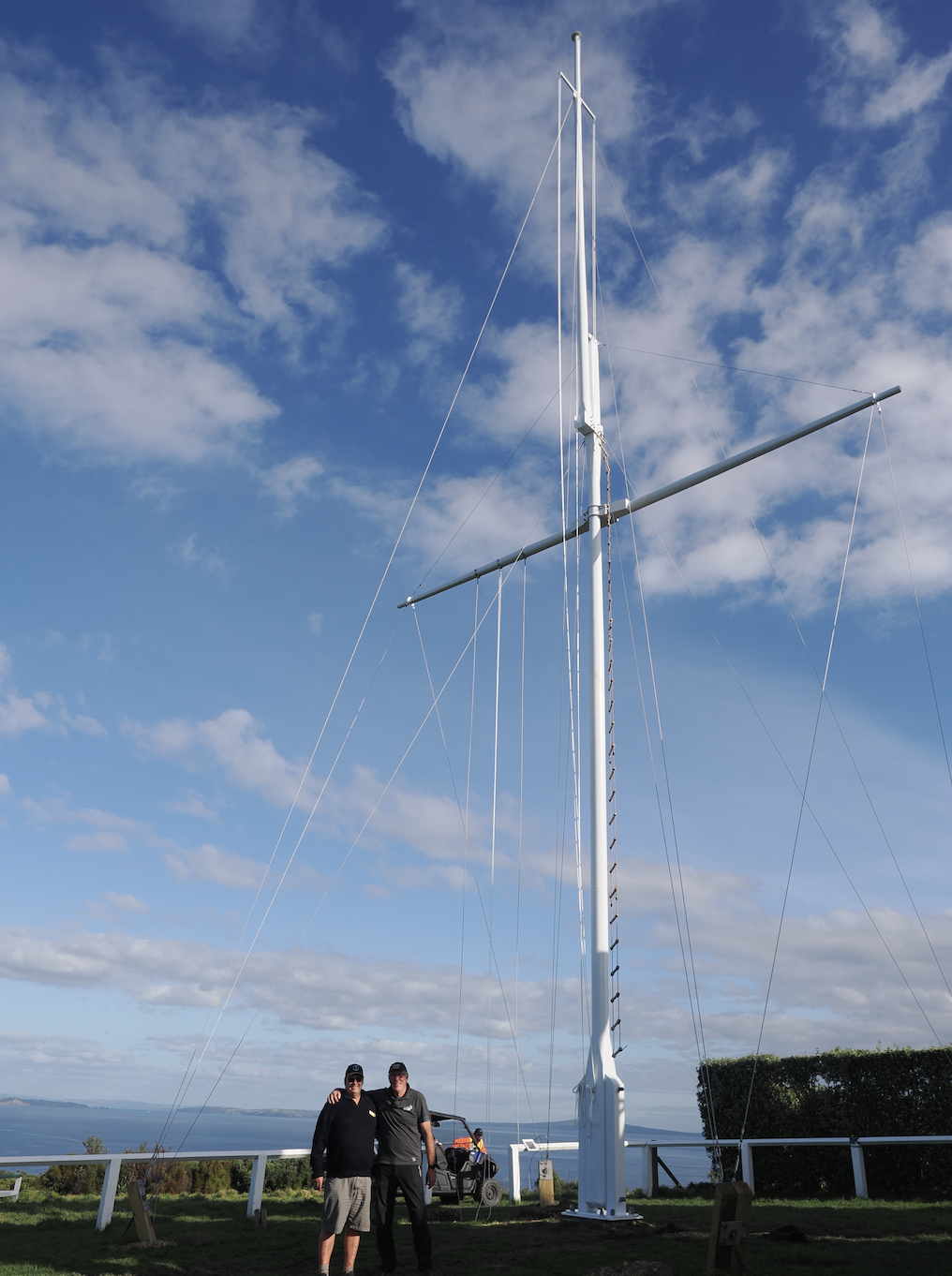
Tiritiri Matangi Island Signal Mast Reconstruction
[vc_row row_height_percent="65" back_image="7152" overlay_alpha="50" gutter_size="3" column_width_percent="100" shift_y="0" z_index="0" uncode_shortcode_id="549313" shape_dividers=""][vc_column column_width_percent="100" position_vertical="middle" align_horizontal="align_center" gutter_size="3" overlay_color="color-584830" overlay_alpha="80" shift_x="0" shift_y="0" shift_y_down="0" z_index="0" medium_width="0" mobile_width="0" width="1/1"][vc_custom_heading text_color="color-xsdn" text_size="fontsize-321034" uncode_shortcode_id="178241" text_color_type="uncode-palette"]Tiritiri Matangi Island Signal Mast Reconstruction[/vc_custom_heading][/vc_column][/vc_row][vc_row][vc_column width="1/4"][vc_custom_heading heading_semantic="h4" text_size="h4" uncode_shortcode_id="151953"]Author: Carl Hayson Date: Taken from the Dawn Chorus, 135 November 2023 Header photo: Geoff Beals[/vc_custom_heading][/vc_column][/vc_row][vc_row][vc_column width="1/1"][vc_column_text uncode_shortcode_id="212226"]The replica mast has been rebuilt to the exact specifications of the original structure which was erected in the late 19th century. It last existed in the 1940s but, along with all the other signal masts on lighthouse stations around the country, was taken down when manual signalling was no longer required. In the early 2000s, SoTM restored the 1908 watchtower which had fallen into disrepair, and this is now a popular attraction for visitors. The mast was an integral part of the original signal…
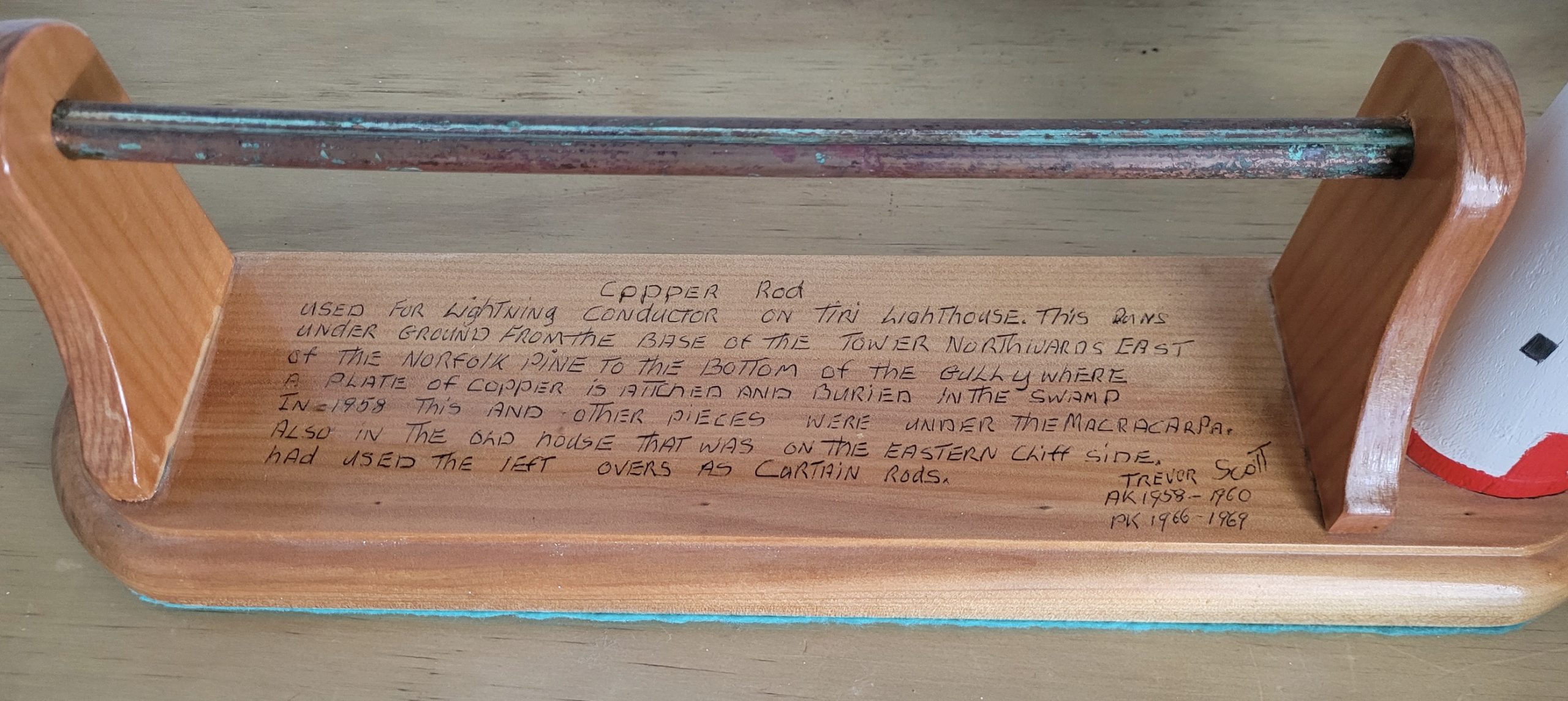
Copper Rod
[vc_row row_height_percent="65" back_image="6814" overlay_alpha="50" gutter_size="3" column_width_percent="100" shift_y="0" z_index="0" uncode_shortcode_id="875053"][vc_column column_width_percent="100" position_vertical="middle" align_horizontal="align_center" gutter_size="3" overlay_color="color-584830" overlay_alpha="80" shift_x="0" shift_y="0" shift_y_down="0" z_index="0" medium_width="0" mobile_width="0" width="1/1"][vc_custom_heading text_color="color-xsdn" text_size="fontsize-321034" uncode_shortcode_id="133840" text_color_type="uncode-palette"]Copper Rod[/vc_custom_heading][/vc_column][/vc_row][vc_row][vc_column width="1/4"][vc_custom_heading heading_semantic="h4" text_size="h4" uncode_shortcode_id="325913"]Author: Trevor Scott Header Photo from the archives, pre 1971 Date: March 2024[/vc_custom_heading][/vc_column][/vc_row][vc_row][vc_column width="1/1"][vc_column_text uncode_shortcode_id="130408"]Did you know that lighthouses are often struck by lightning? To prevent damage caused by these strikes, lighthouses are equipped with metal poles called lightning rods. These rods are attached to a thick copper wire that runs from the top of the lighthouse down to the ground. When lightning strikes the tower, it enters through the lightning rod and travels down the wire into the ground, minimizing potential damage. Trevor Scott, who was the lighthouse keeper on Tiritiri Matangi from 1958-1960 and 1966-1969, shared that he remembers seeing the spare left over copper rods…
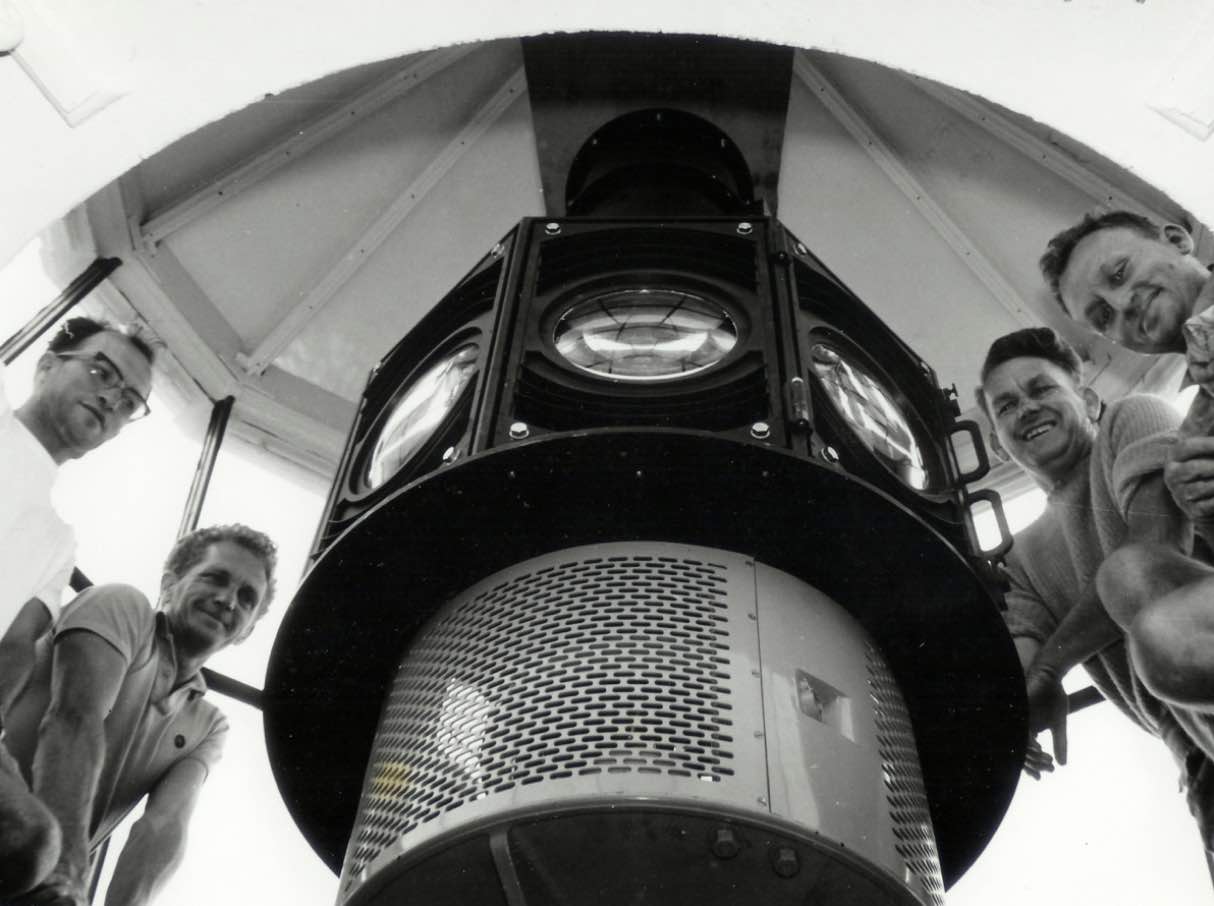
Eight long needles of light
[vc_row row_height_percent="65" back_image="5751" overlay_alpha="50" gutter_size="3" column_width_percent="100" shift_y="0" z_index="0" uncode_shortcode_id="857892"][vc_column column_width_percent="100" position_vertical="middle" align_horizontal="align_center" gutter_size="3" overlay_color="color-584830" overlay_alpha="80" shift_x="0" shift_y="0" shift_y_down="0" z_index="0" medium_width="0" mobile_width="0" width="1/1"][vc_custom_heading text_color="color-xsdn" text_size="fontsize-321034" uncode_shortcode_id="199336" text_color_type="uncode-palette"]Eight long needles of light[/vc_custom_heading][/vc_column][/vc_row][vc_row][vc_column width="1/4"][vc_custom_heading heading_semantic="h4" text_size="h4" uncode_shortcode_id="148524"]Sourced from Tiritiri Matangi, A Model of Conservation, Anne Rimmer Date: 17 September 2023 Header image: 'Eight long needles of light': the Davis Marine Light, 1965 Credit: Peter Taylor[/vc_custom_heading][/vc_column][/vc_row][vc_row][vc_column width="1/1"][vc_column_text uncode_shortcode_id="193926"]Did you know that the Tiritiri Matangi lighthouse is a Category 1 historic place? It was actually the first lighthouse to be established on the approach to Auckland in the Waitematā Harbour. Interestingly, when it was built, there were only two other lighthouses in the entire country, Pencarrow (1859) and Boulder Bank (1862). Today it is New Zealand's oldest working lighthouse. The lighthouse in New Zealand was a remarkable feat of engineering. It…
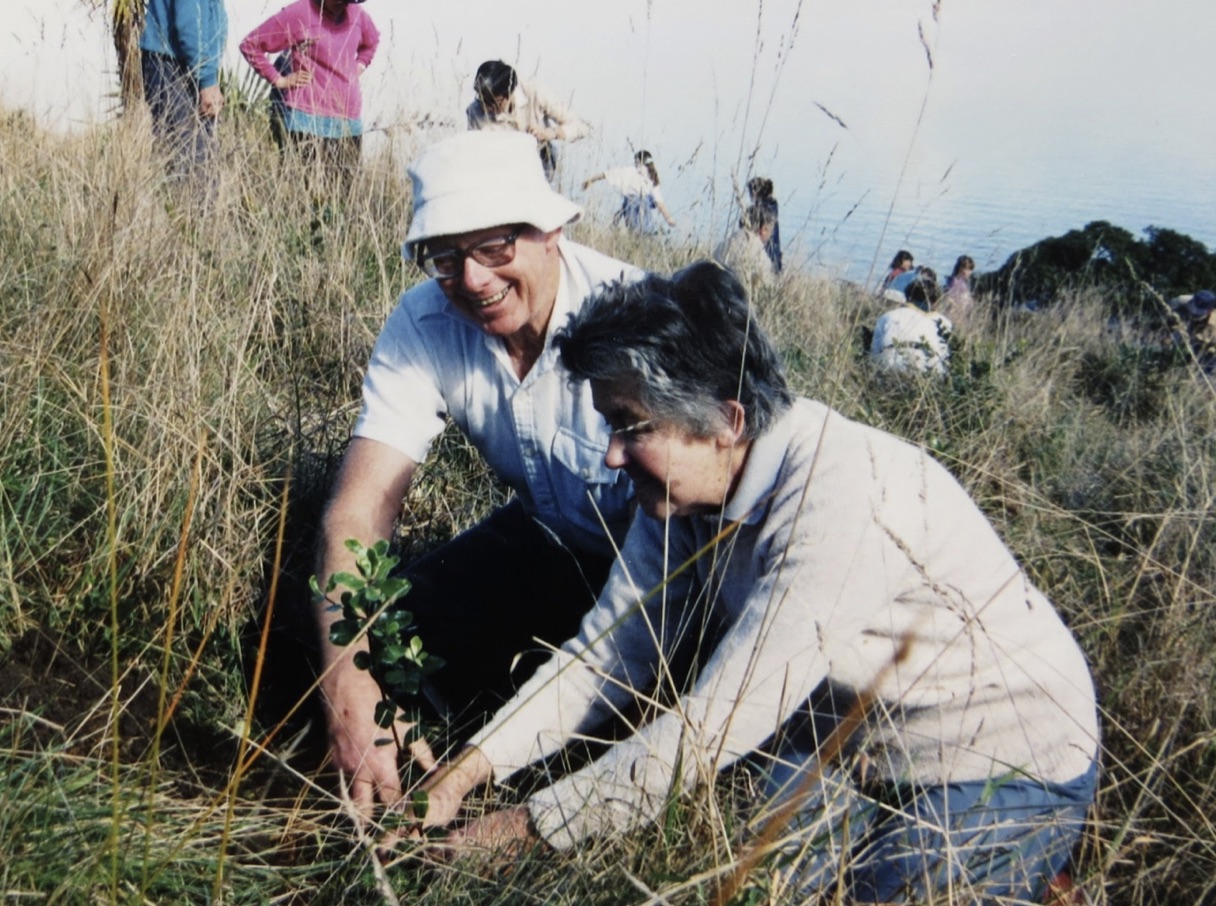
How a shortage of rakes led to the creation of an extraordinary environmental legacy
[vc_row row_height_percent="65" back_image="5587" overlay_alpha="50" gutter_size="3" column_width_percent="100" shift_y="0" z_index="0" uncode_shortcode_id="115975"][vc_column column_width_percent="100" position_vertical="middle" align_horizontal="align_center" gutter_size="3" overlay_color="color-584830" overlay_alpha="80" shift_x="0" shift_y="0" shift_y_down="0" z_index="0" medium_width="0" mobile_width="0" width="1/1"][vc_custom_heading text_color="color-xsdn" text_size="fontsize-321034" uncode_shortcode_id="522252" text_color_type="uncode-palette"]How a shortage of rakes led to the creation of an extraordinary environmental legacy[/vc_custom_heading][/vc_column][/vc_row][vc_row][vc_column width="1/4"][vc_custom_heading heading_semantic="h4" text_size="h4" uncode_shortcode_id="114781"]Author: Jim Eagles, taken from the Dawn Chorus Bulletin 113 Date: May 2018[/vc_custom_heading][/vc_column][/vc_row][vc_row][vc_column width="1/1"][vc_column_text uncode_shortcode_id="192622"]Jim Battersby was first and foremost a Presbyterian minister, having been ordained in 1953 and retired in 1987. In an article written for a church magazine in 2006 he recalled that, ‘Like many of my generation of students, I felt the call to ministry early after leaving secondary school, and so ministry became my whole career. I served 22 years in three parishes, and about 13 years in a hospital chaplaincy.’ Unsurprisingly, when he retired from the ministry, it left a big gap in his life. And, as it…

History of Wattle Track
[vc_row row_height_percent="65" back_image="5358" overlay_alpha="50" gutter_size="3" column_width_percent="100" shift_y="0" z_index="0" uncode_shortcode_id="233013"][vc_column column_width_percent="100" position_vertical="middle" align_horizontal="align_center" gutter_size="3" overlay_color="color-584830" overlay_alpha="80" shift_x="0" shift_y="0" shift_y_down="0" z_index="0" medium_width="0" mobile_width="0" width="1/1"][vc_custom_heading text_color="color-xsdn" text_size="fontsize-321034" uncode_shortcode_id="198796" text_color_type="uncode-palette"]History of Wattle Track[/vc_custom_heading][/vc_column][/vc_row][vc_row][vc_column width="1/4"][vc_custom_heading heading_semantic="h4" text_size="h4" uncode_shortcode_id="113409"]Author: Ray and Barbara Walter Sourced from Dawn Chorus 70, August 2007[/vc_custom_heading][/vc_column][/vc_row][vc_row][vc_column width="1/1"][vc_column_text uncode_shortcode_id="151008"]There seems to be varying commentary on the history of Wattle Valley. Here is the account of this famous walkway.[/vc_column_text][/vc_column][/vc_row][vc_row][vc_column width="1/1"][vc_column_text uncode_shortcode_id="352352"]Wattle Valley formed part of the Lighthouse Keepers cow paddock and was fenced off from the main farming block until the 1970's. It was not grazed from approx. the 1950's and so it naturally regenerated in mostly, mānuka, tī kōuka/cabbage tree and Harakeke/flax. Big Wattle Valley was mostly tī kōuka and Wattles. The wattles are from a…