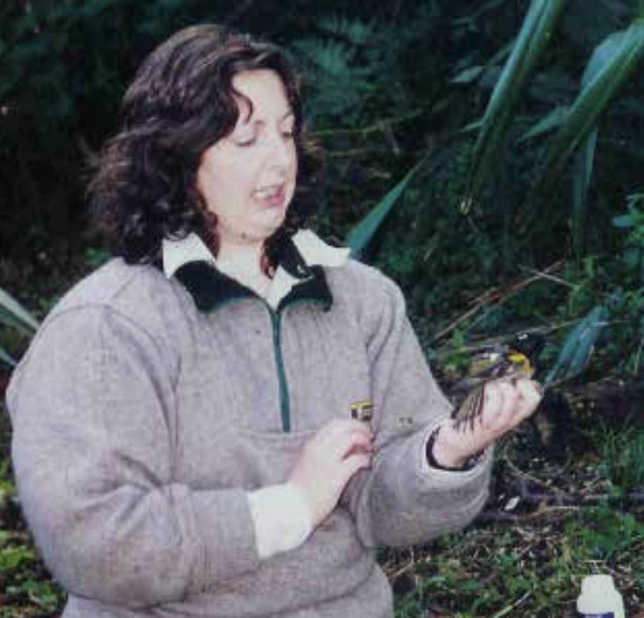
In 2015 we celebrated 20 years of hihi on Tiritiri Matangi
[vc_row row_height_percent="65" back_image="8319" overlay_alpha="50" gutter_size="3" column_width_percent="100" shift_y="0" z_index="0" content_parallax="0" uncode_shortcode_id="685082"][vc_column column_width_percent="100" position_vertical="middle" align_horizontal="align_center" gutter_size="3" overlay_color="color-584830" overlay_alpha="80" shift_x="0" shift_y="0" shift_y_down="0" z_index="0" medium_width="0" mobile_width="0" width="1/1"][vc_custom_heading text_color="color-xsdn" text_size="fontsize-321034" uncode_shortcode_id="388864" text_color_type="uncode-palette"] In 2015 we celebrated 20 years of hihi on Tiritiri Matangi [/vc_custom_heading][/vc_column][/vc_row][vc_row][vc_column width="1/4"][vc_custom_heading heading_semantic="h4" text_size="h4" uncode_shortcode_id="189473"] From the Tiritiri Matangi Archives, Dawn Chorus 102, August 2015. Author: John Ewan Heading photo credit: Neil Davies[/vc_custom_heading][/vc_column][/vc_row][vc_row][vc_column width="1/1"][vc_column_text uncode_shortcode_id="513021"]Next month it will be 20 years since a successful translocation of hihi – the stitchbird – saw them return to Tiritiri Matangi. John Ewen, who as a student monitored the first birds after they were released, and these days co-chairs the Hihi Recovery Group from his base at the Institute of Zoology in London, looks back on a highly successful project . . . assisted by Harry, a young hihi, who is proud to be the 13th generation of his whānau on the…

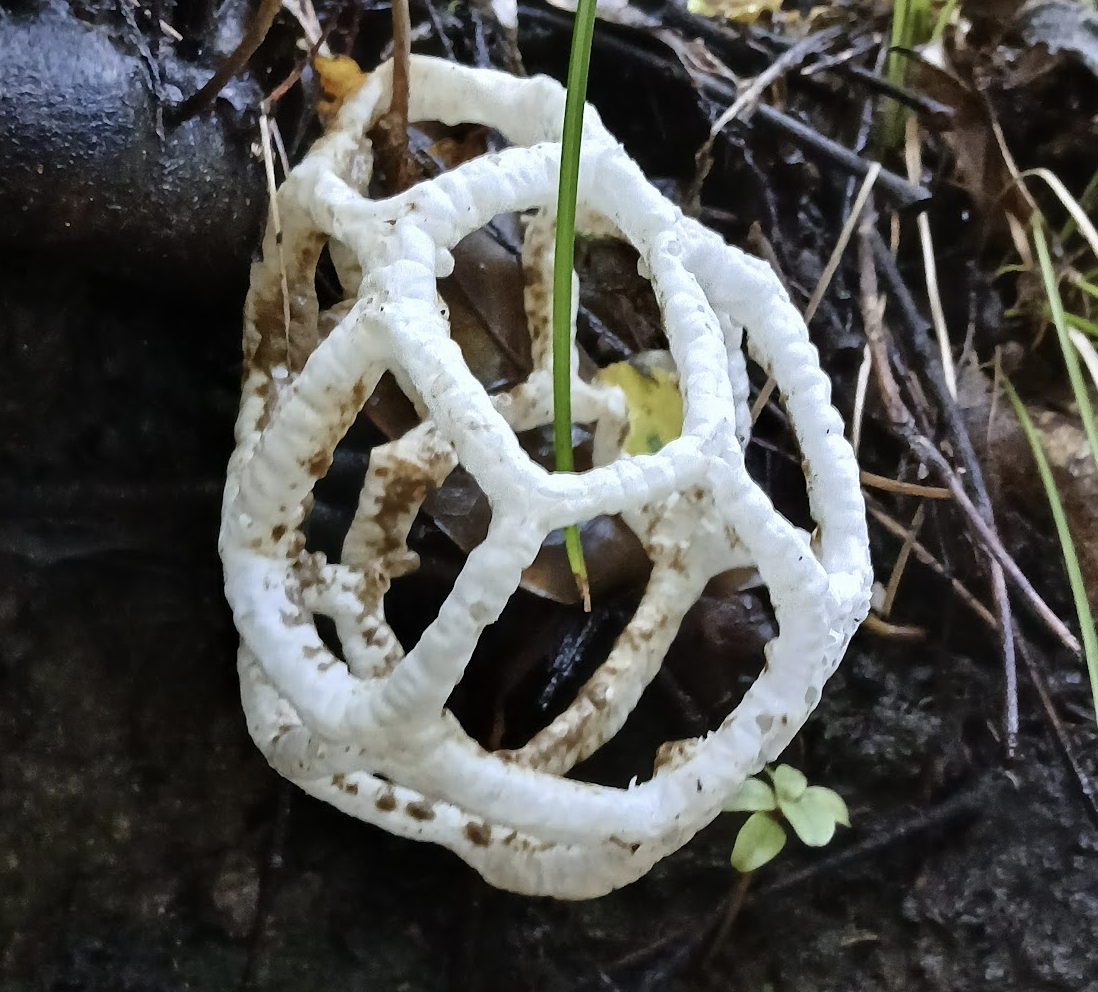
The Sometimes Missing ‘F’ Word: Fauna, Flora, and Funga
[vc_row row_height_percent="65" back_image="7960" overlay_alpha="50" gutter_size="3" column_width_percent="100" shift_y="0" z_index="0" content_parallax="0" uncode_shortcode_id="107104"][vc_column column_width_percent="100" position_vertical="middle" align_horizontal="align_center" gutter_size="3" overlay_color="color-584830" overlay_alpha="80" shift_x="0" shift_y="0" shift_y_down="0" z_index="0" medium_width="0" mobile_width="0" width="1/1"][vc_custom_heading text_color="color-xsdn" text_size="fontsize-321034" uncode_shortcode_id="148356" text_color_type="uncode-palette"]The Sometimes Missing ‘F’ Word: Fauna, Flora, and Funga[/vc_custom_heading][/vc_column][/vc_row][vc_row][vc_column width="1/4"][vc_custom_heading heading_semantic="h4" text_size="h4" uncode_shortcode_id="134185"]Written by Stacey Balich, based on the Tiritiri Talk presented by speaker Peter Buchanan.[/vc_custom_heading][/vc_column][/vc_row][vc_row][vc_column width="1/1"][vc_column_text uncode_shortcode_id="592956"]We were thrilled to welcome Peter Buchanan from Manaaki Whenua, Landcare Research as the guest speaker for this season’s Tiritiri Matangi Talk. His engaging presentation, “The Sometimes Missing ‘F’ Word: Fauna, Flora, and Funga,” opened our eyes to the often-overlooked world of fungi and its essential role in our ecosystems. Around 80 people gathered to hear Peter’s fascinating insights, making it one of our most well-attended and thought-provoking talks to date. Peter opened with a surprising…
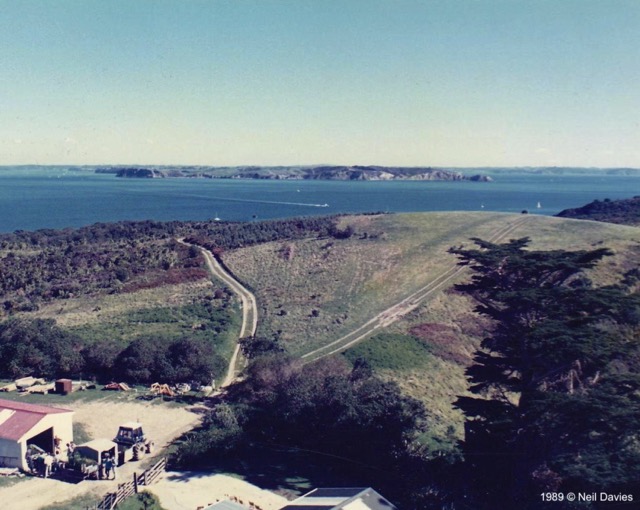
How WWF Sparked New Zealand’s Open Sanctuary
[vc_row row_height_percent="65" back_image="6646" overlay_alpha="50" gutter_size="3" column_width_percent="100" shift_y="0" z_index="0" content_parallax="0" uncode_shortcode_id="144970"][vc_column column_width_percent="100" position_vertical="middle" align_horizontal="align_center" gutter_size="3" overlay_color="color-584830" overlay_alpha="80" shift_x="0" shift_y="0" shift_y_down="0" z_index="0" medium_width="0" mobile_width="0" width="1/1"][vc_custom_heading text_color="color-xsdn" text_size="fontsize-321034" uncode_shortcode_id="518250" text_color_type="uncode-palette"]How WWF Sparked New Zealand’s Open Sanctuary[/vc_custom_heading][/vc_column][/vc_row][vc_row][vc_column width="1/4"][vc_custom_heading heading_semantic="h4" text_size="h4" uncode_shortcode_id="171083"]This narrative is compiled with reference to Anne Rimmer’s detailed account in her book, Tiritiri Matangi: A Model of Conservation.[/vc_custom_heading][/vc_column][/vc_row][vc_row][vc_column width="1/1"][vc_column_text uncode_shortcode_id="175513"]In 1982, Sir Peter Scott, son of legendary Antarctic explorer Captain Robert Falcon Scott, was in New Zealand scouting potential conservation projects for the World Wildlife Fund. A visit to Tiritiri Matangi Island, arranged by his friend Ronald Lockley and accompanied by conservationists John Craig, Neil Mitchell, and Graeme Turbott, sparked his imagination. As they sailed to the island aboard MY Bondi Belle, Scott saw more than just windswept paddocks, he saw…
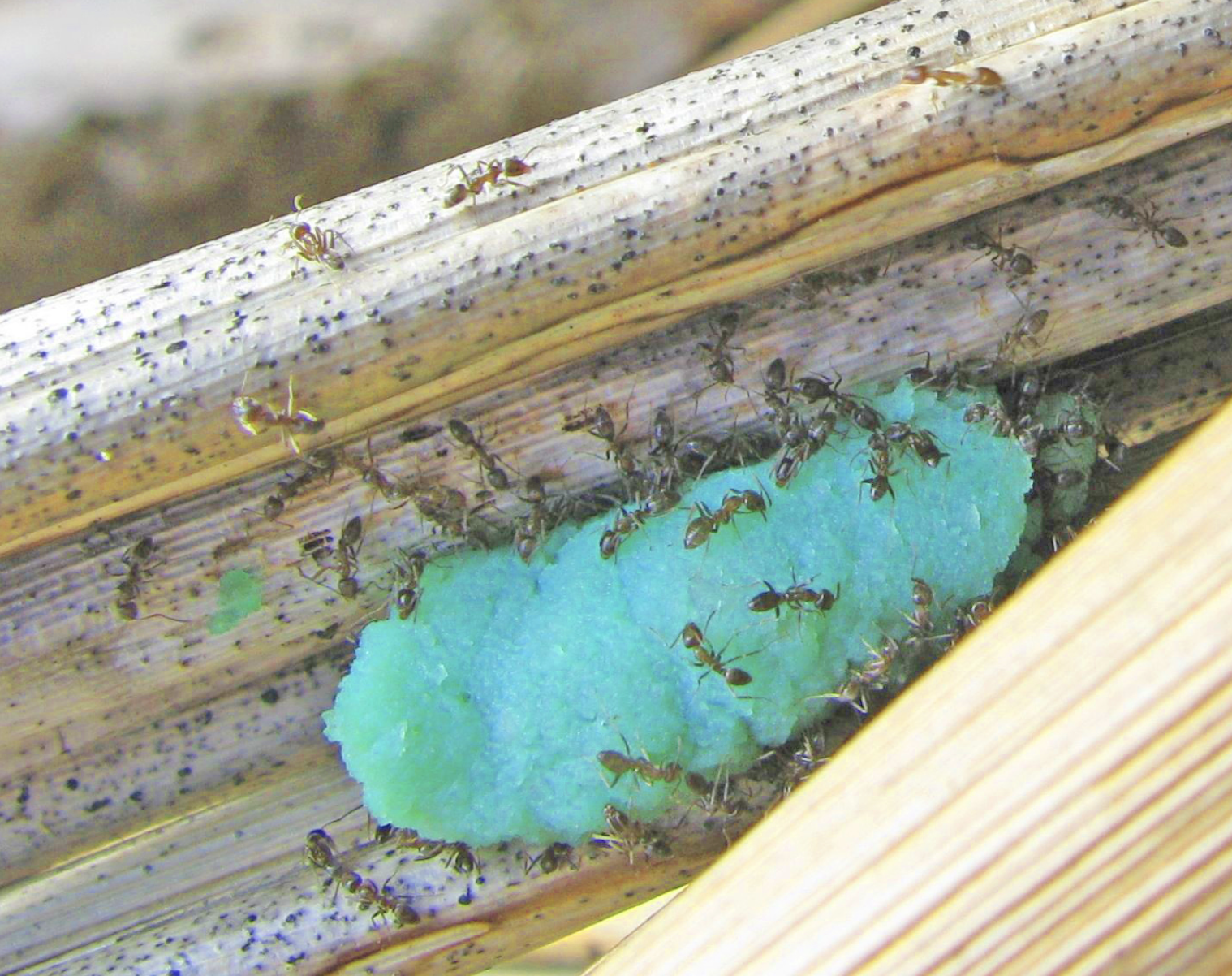
Argentine Ants on Tiritiri Matangi
[vc_row row_height_percent="65" back_image="7551" overlay_alpha="50" gutter_size="3" column_width_percent="100" shift_y="0" z_index="0" uncode_shortcode_id="153022"][vc_column column_width_percent="100" position_vertical="middle" align_horizontal="align_center" gutter_size="3" overlay_color="color-584830" overlay_alpha="80" shift_x="0" shift_y="0" shift_y_down="0" z_index="0" medium_width="0" mobile_width="0" width="1/1"][vc_custom_heading text_color="color-xsdn" text_size="fontsize-321034" uncode_shortcode_id="195654" text_color_type="uncode-palette"] Argentine Ant [/vc_custom_heading][/vc_column][/vc_row][vc_row][vc_column width="1/4"][vc_custom_heading heading_semantic="h4" text_size="h4" uncode_shortcode_id="167943"]Author: Chris Green, Department of Conservation Date: From the Supporters of Tiritiri Matangi Archives, Dawn Chorus Header photo: Chris Green[/vc_custom_heading][/vc_column][/vc_row][vc_row][vc_column width="1/1"][vc_column_text uncode_shortcode_id="163236"]Supporters of Tiritiri Matangi Archives, Dawn Chorus, Autumn 2000 Ten years ago a new immigrant species slipped quietly into New Zealand, arriving in Auckland and establishing itself in Onehunga, just prior to the Commonwealth Games in 1990. That immigrant was the Argentine ant (linepithema humile) and initial surveys quickly revealed it to be quiet widespread. It was decided that there would be no welcoming committee dishing out pesticide sprays, or free food laced with insecticide, as has been the…
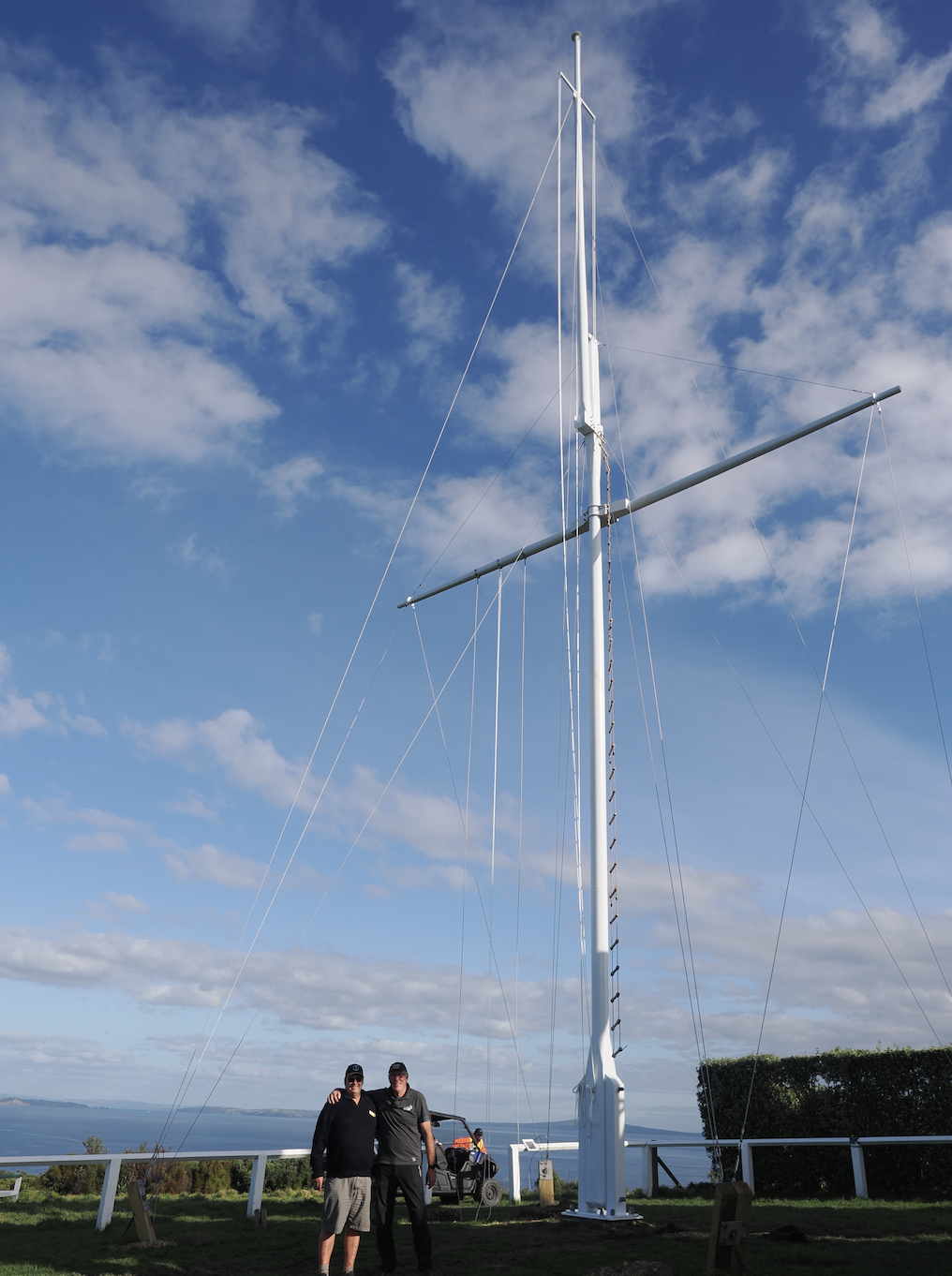
Tiritiri Matangi Island Signal Mast Reconstruction
[vc_row row_height_percent="65" back_image="7152" overlay_alpha="50" gutter_size="3" column_width_percent="100" shift_y="0" z_index="0" uncode_shortcode_id="549313" shape_dividers=""][vc_column column_width_percent="100" position_vertical="middle" align_horizontal="align_center" gutter_size="3" overlay_color="color-584830" overlay_alpha="80" shift_x="0" shift_y="0" shift_y_down="0" z_index="0" medium_width="0" mobile_width="0" width="1/1"][vc_custom_heading text_color="color-xsdn" text_size="fontsize-321034" uncode_shortcode_id="178241" text_color_type="uncode-palette"]Tiritiri Matangi Island Signal Mast Reconstruction[/vc_custom_heading][/vc_column][/vc_row][vc_row][vc_column width="1/4"][vc_custom_heading heading_semantic="h4" text_size="h4" uncode_shortcode_id="151953"]Author: Carl Hayson Date: Taken from the Dawn Chorus, 135 November 2023 Header photo: Geoff Beals[/vc_custom_heading][/vc_column][/vc_row][vc_row][vc_column width="1/1"][vc_column_text uncode_shortcode_id="212226"]The replica mast has been rebuilt to the exact specifications of the original structure which was erected in the late 19th century. It last existed in the 1940s but, along with all the other signal masts on lighthouse stations around the country, was taken down when manual signalling was no longer required. In the early 2000s, SoTM restored the 1908 watchtower which had fallen into disrepair, and this is now a popular attraction for visitors. The mast was an integral part of the original signal…
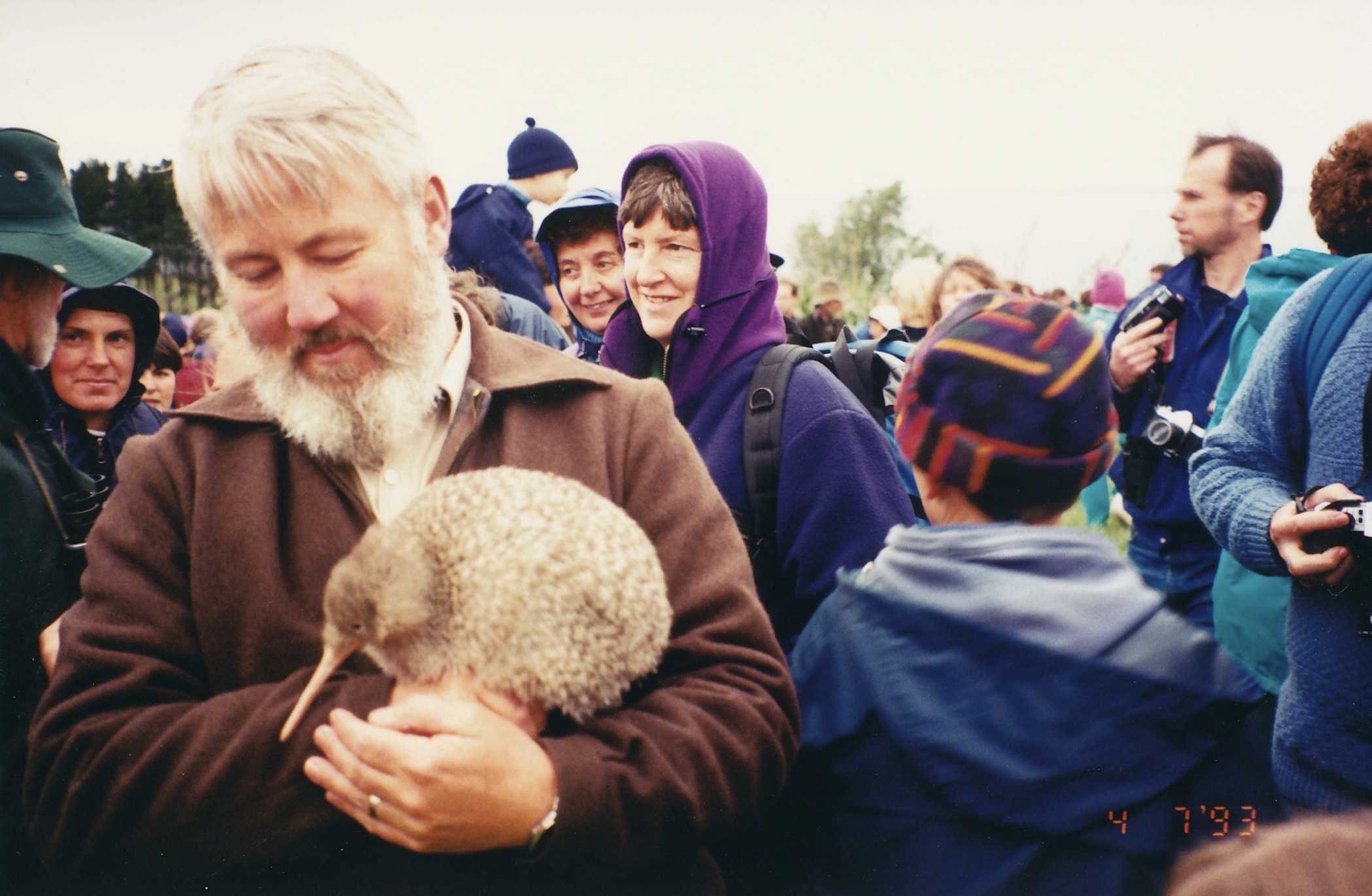
The kiwis are here
[vc_row row_height_percent="65" back_image="6948" overlay_alpha="50" gutter_size="3" column_width_percent="100" shift_y="0" z_index="0" uncode_shortcode_id="198006" shape_dividers=""][vc_column column_width_percent="100" position_vertical="middle" align_horizontal="align_center" gutter_size="3" overlay_color="color-584830" overlay_alpha="80" shift_x="0" shift_y="0" shift_y_down="0" z_index="0" medium_width="0" mobile_width="0" width="1/1"][vc_custom_heading text_color="color-xsdn" text_size="fontsize-321034" uncode_shortcode_id="157468" text_color_type="uncode-palette"]The kiwis are here[/vc_custom_heading][/vc_column][/vc_row][vc_row][vc_column width="1/4"][vc_custom_heading heading_semantic="h4" text_size="h4" uncode_shortcode_id="250477"]From the Tiritiri Matangi Archives Editor: Zane Burdett Bulletin No.14 Date: August 1993[/vc_custom_heading][/vc_column][/vc_row][vc_row][vc_column width="1/1"][vc_column_text uncode_shortcode_id="111213"]In fact, since the five pairs of little spotted kiwi arrived, they’ve been here, there and everywhere on Tiritiri - exploring what is now their new home.[/vc_column_text][/vc_column][/vc_row][vc_row][vc_column width="1/1"][vc_column_text uncode_shortcode_id="250345"]They arrive on the 4th of July - ‘Kiwi Independence Day’. That day, over 500 people; babies, children, teenagers, adults, young and old, officials, sponsors, scientists, reporters and Yamagata whenua - had waited. They had waited together on a ridge under a great cloudy sky…
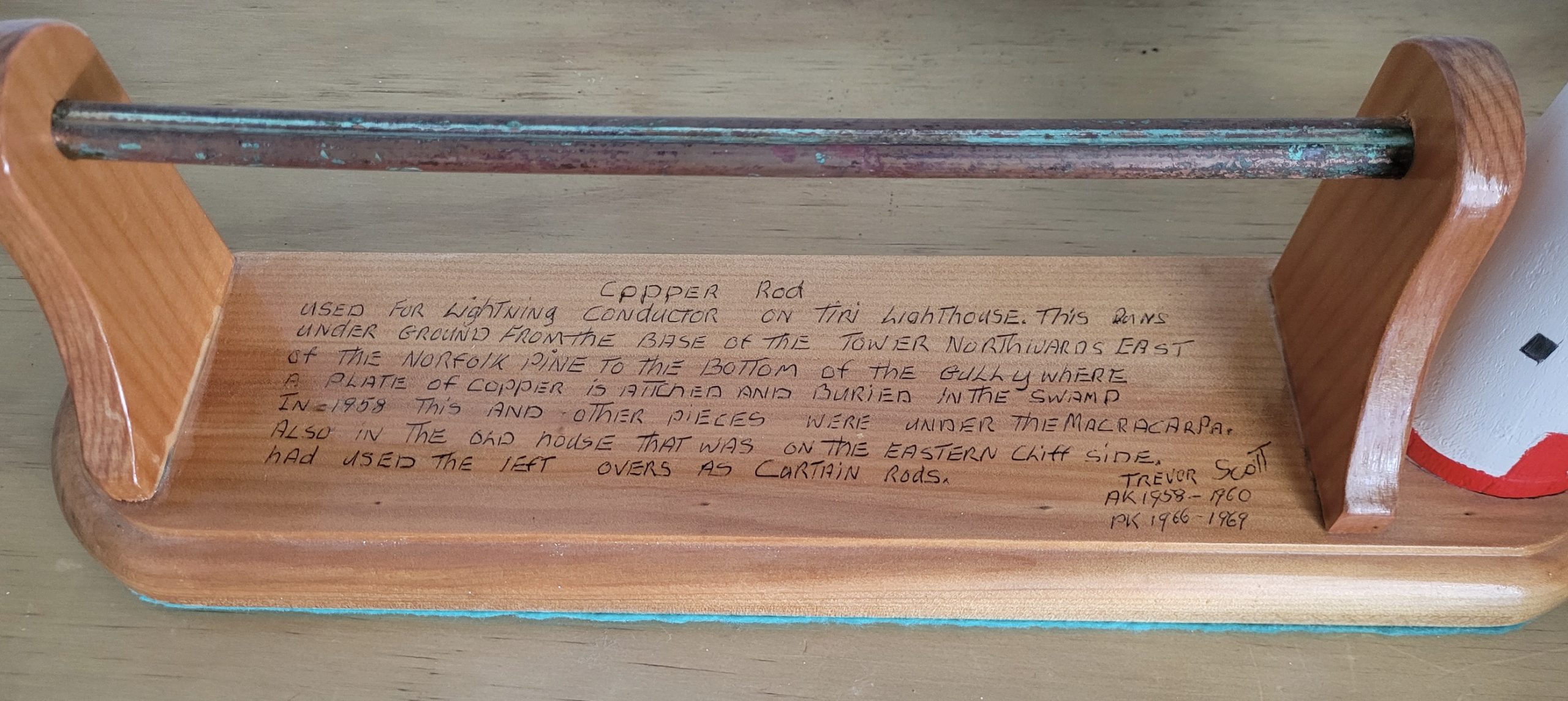
Copper Rod
[vc_row row_height_percent="65" back_image="6814" overlay_alpha="50" gutter_size="3" column_width_percent="100" shift_y="0" z_index="0" uncode_shortcode_id="875053"][vc_column column_width_percent="100" position_vertical="middle" align_horizontal="align_center" gutter_size="3" overlay_color="color-584830" overlay_alpha="80" shift_x="0" shift_y="0" shift_y_down="0" z_index="0" medium_width="0" mobile_width="0" width="1/1"][vc_custom_heading text_color="color-xsdn" text_size="fontsize-321034" uncode_shortcode_id="133840" text_color_type="uncode-palette"]Copper Rod[/vc_custom_heading][/vc_column][/vc_row][vc_row][vc_column width="1/4"][vc_custom_heading heading_semantic="h4" text_size="h4" uncode_shortcode_id="325913"]Author: Trevor Scott Header Photo from the archives, pre 1971 Date: March 2024[/vc_custom_heading][/vc_column][/vc_row][vc_row][vc_column width="1/1"][vc_column_text uncode_shortcode_id="130408"]Did you know that lighthouses are often struck by lightning? To prevent damage caused by these strikes, lighthouses are equipped with metal poles called lightning rods. These rods are attached to a thick copper wire that runs from the top of the lighthouse down to the ground. When lightning strikes the tower, it enters through the lightning rod and travels down the wire into the ground, minimizing potential damage. Trevor Scott, who was the lighthouse keeper on Tiritiri Matangi from 1958-1960 and 1966-1969, shared that he remembers seeing the spare left over copper rods…
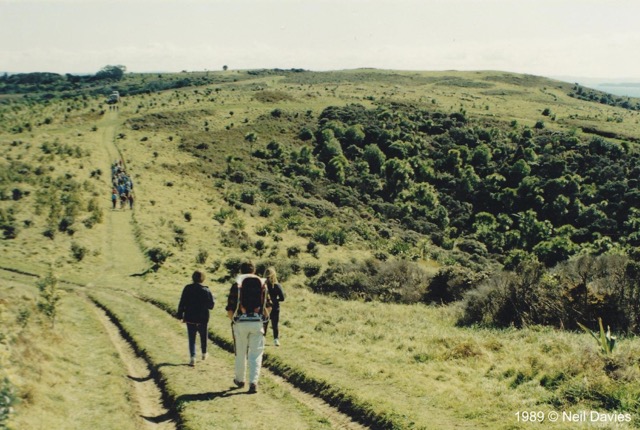
Spade brigade
[vc_row row_height_percent="65" back_image="6622" overlay_alpha="50" gutter_size="3" column_width_percent="100" shift_y="0" z_index="0" uncode_shortcode_id="192362"][vc_column column_width_percent="100" position_vertical="middle" align_horizontal="align_center" gutter_size="3" overlay_color="color-584830" overlay_alpha="80" shift_x="0" shift_y="0" shift_y_down="0" z_index="0" medium_width="0" mobile_width="0" width="1/1"][vc_custom_heading text_color="color-xsdn" text_size="fontsize-321034" uncode_shortcode_id="199488" text_color_type="uncode-palette"]Spade brigade[/vc_custom_heading][/vc_column][/vc_row][vc_row][vc_column width="1/4"][vc_custom_heading heading_semantic="h4" text_size="h4" uncode_shortcode_id="176547"]Photo credits: Neil Davies[/vc_custom_heading][/vc_column][/vc_row][vc_row][vc_column width="1/1"][vc_column_text uncode_shortcode_id="183858"]It's inspiring to think about the planting programme that started in 1984 on the island to help restore the native birdlife habitat. It's impressive that over 10 years 280,000 trees were planted by volunteers, which included thirty different species of trees and shrubs. These volunteers formed the "spade brigade" and used pointed spades to plant seedlings that had germinated in the island's nursery. It's great to see people coming together to preserve the natural environment. Thanks to the vision of the Neil Mitchell and John Craig who thought of the idea and to the efforts of the volunteers. The Tiritiri Matangi project…
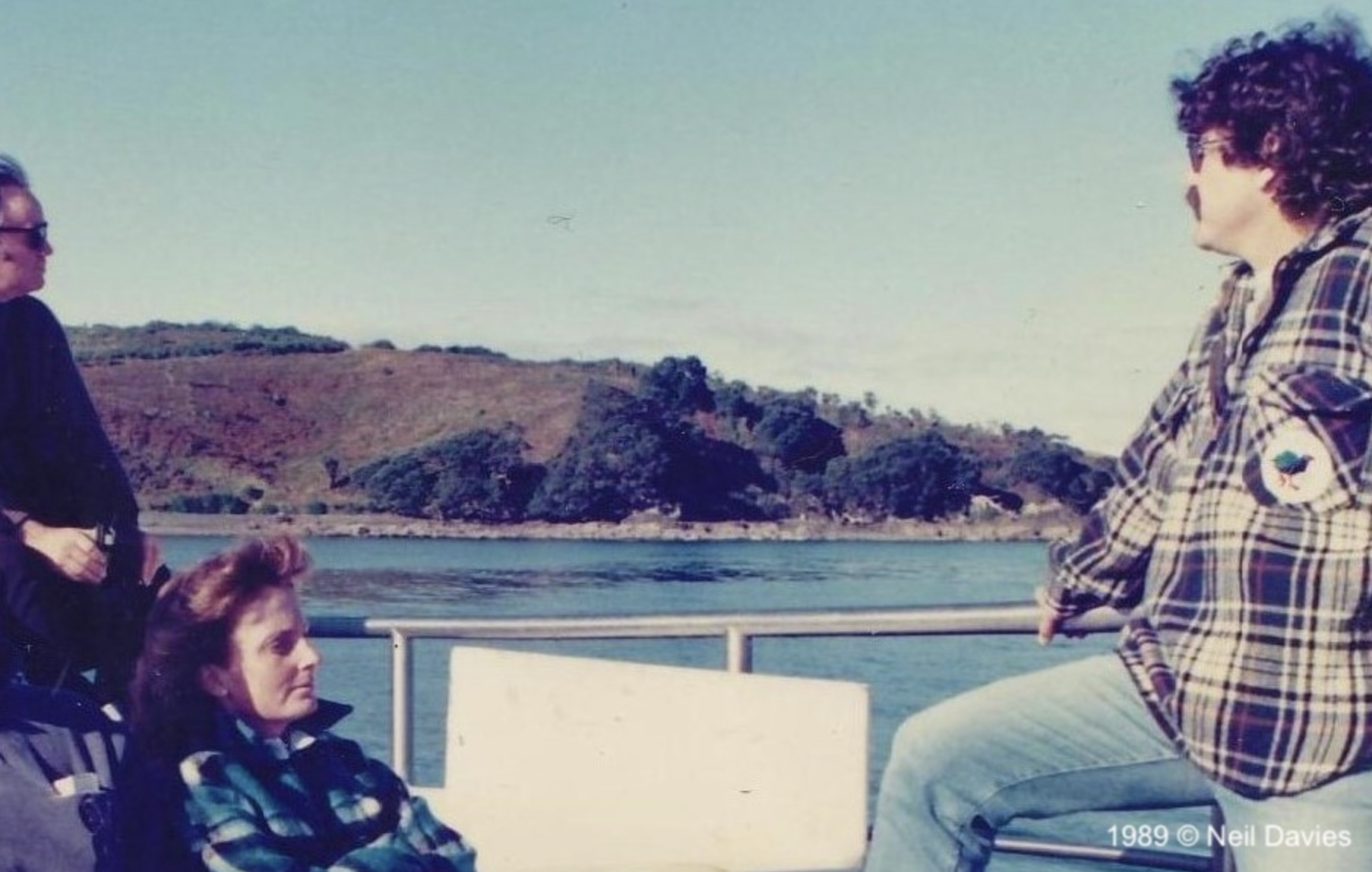
Tiritiri Matangi: a perfect fit for United Nations environment programme
[vc_row row_height_percent="65" back_image="6611" overlay_alpha="50" gutter_size="3" column_width_percent="100" shift_y="0" z_index="0" uncode_shortcode_id="111523"][vc_column column_width_percent="100" position_vertical="middle" align_horizontal="align_center" gutter_size="3" overlay_color="color-584830" overlay_alpha="80" shift_x="0" shift_y="0" shift_y_down="0" z_index="0" medium_width="0" mobile_width="0" width="1/1"][vc_custom_heading text_color="color-xsdn" text_size="fontsize-321034" uncode_shortcode_id="500364" text_color_type="uncode-palette"]Tiritiri Matangi: a perfect fit for United Nations environment programme[/vc_custom_heading][/vc_column][/vc_row][vc_row][vc_column width="1/4"][vc_custom_heading heading_semantic="h4" text_size="h4" uncode_shortcode_id="101082"]Author: Mel Galbraith (From the Dawn Chorus Archives, 130 August 2022) Date: August 2022[/vc_custom_heading][/vc_column][/vc_row][vc_row][vc_column width="1/1"][vc_column_text uncode_shortcode_id="196119"]Ecological restoration on Tiritiri was well ahead of its time. It has taken initiatives such as the sanctuary to encourage a global declaration that is now being internationally recognised, explains Mel Galbraith.[/vc_column_text][/vc_column][/vc_row][vc_row][vc_column width="1/1"][vc_column_text uncode_shortcode_id="644681"]Twelve hours after we collectively chorused Auld Lang Syne to welcome in the 1st January 2021, the United Nations launched a “Decade on Ecosystem Restoration” 2021-2030. Not that…
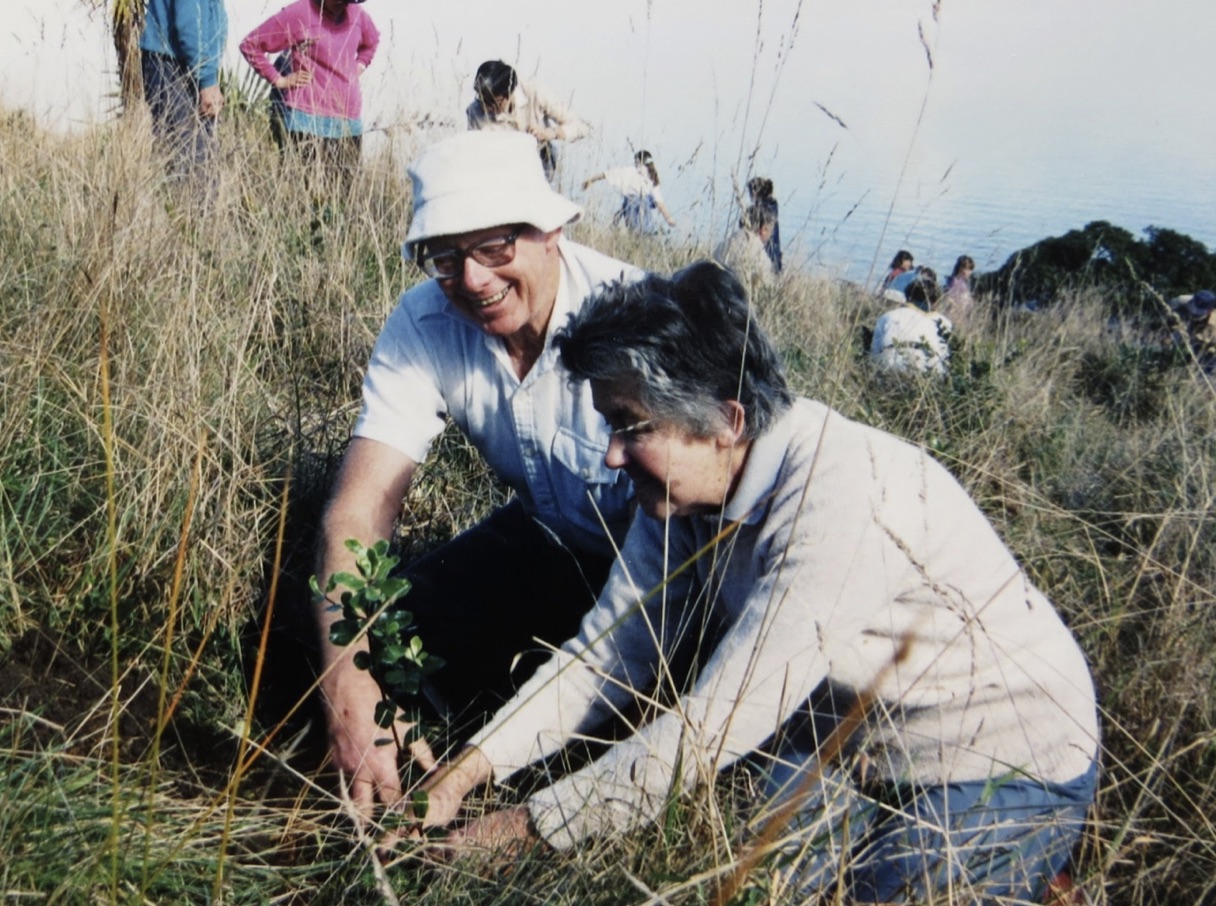
How a shortage of rakes led to the creation of an extraordinary environmental legacy
[vc_row row_height_percent="65" back_image="5587" overlay_alpha="50" gutter_size="3" column_width_percent="100" shift_y="0" z_index="0" uncode_shortcode_id="115975"][vc_column column_width_percent="100" position_vertical="middle" align_horizontal="align_center" gutter_size="3" overlay_color="color-584830" overlay_alpha="80" shift_x="0" shift_y="0" shift_y_down="0" z_index="0" medium_width="0" mobile_width="0" width="1/1"][vc_custom_heading text_color="color-xsdn" text_size="fontsize-321034" uncode_shortcode_id="522252" text_color_type="uncode-palette"]How a shortage of rakes led to the creation of an extraordinary environmental legacy[/vc_custom_heading][/vc_column][/vc_row][vc_row][vc_column width="1/4"][vc_custom_heading heading_semantic="h4" text_size="h4" uncode_shortcode_id="114781"]Author: Jim Eagles, taken from the Dawn Chorus Bulletin 113 Date: May 2018[/vc_custom_heading][/vc_column][/vc_row][vc_row][vc_column width="1/1"][vc_column_text uncode_shortcode_id="192622"]Jim Battersby was first and foremost a Presbyterian minister, having been ordained in 1953 and retired in 1987. In an article written for a church magazine in 2006 he recalled that, ‘Like many of my generation of students, I felt the call to ministry early after leaving secondary school, and so ministry became my whole career. I served 22 years in three parishes, and about 13 years in a hospital chaplaincy.’ Unsurprisingly, when he retired from the ministry, it left a big gap in his life. And, as it…