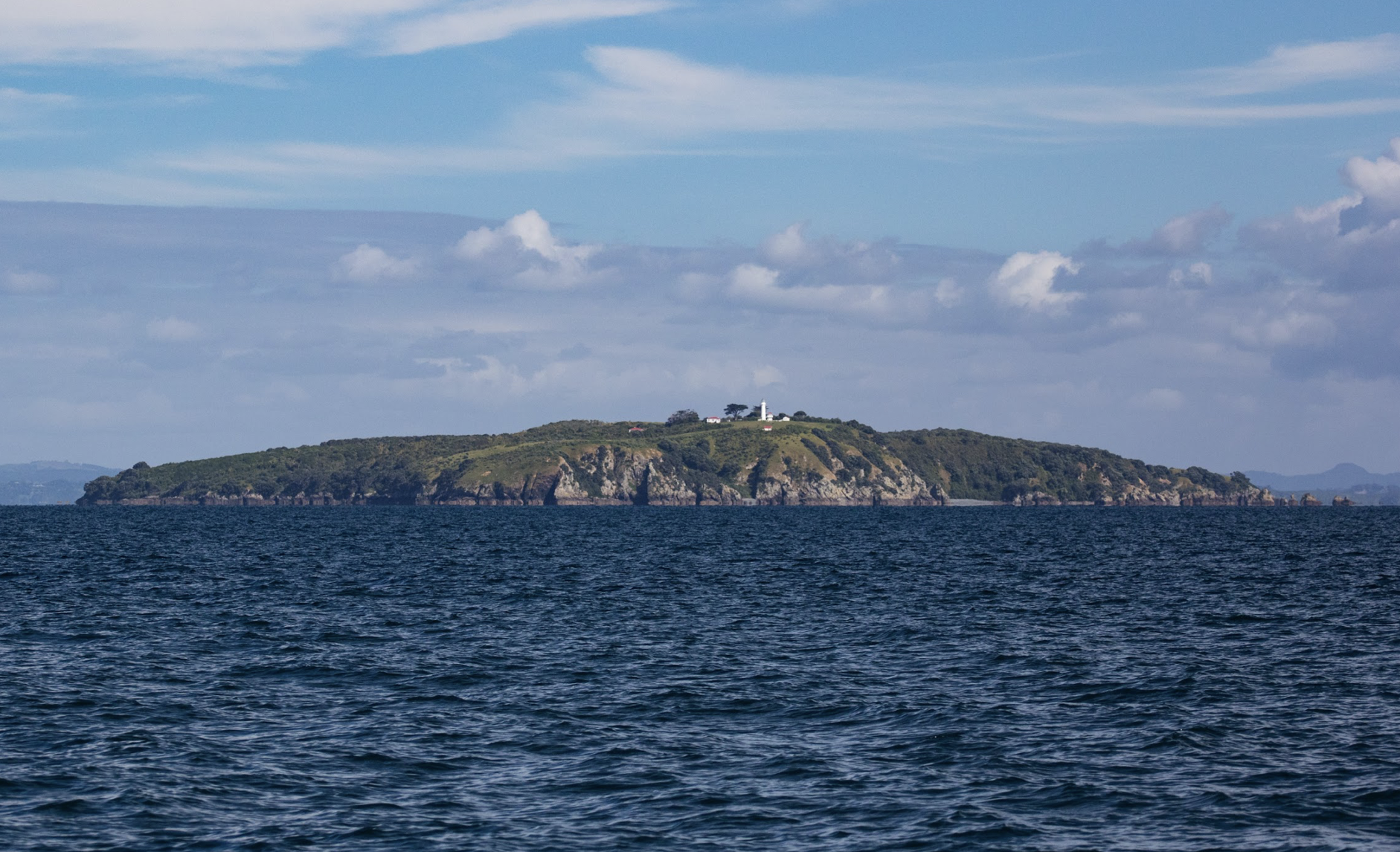
Moments That Mattered: Visitors Share Their Tiritiri Experience - Mark, Iowa, USA.
[vc_row row_height_percent="65" back_image="8072" overlay_alpha="50" gutter_size="3" column_width_percent="100" shift_y="0" z_index="0" content_parallax="0" uncode_shortcode_id="337599"][vc_column column_width_percent="100" position_vertical="middle" align_horizontal="align_center" gutter_size="3" overlay_color="color-584830" overlay_alpha="80" shift_x="0" shift_y="0" shift_y_down="0" z_index="0" medium_width="0" mobile_width="0" width="1/1"][vc_custom_heading text_color="color-xsdn" text_size="fontsize-321034" uncode_shortcode_id="120592" text_color_type="uncode-palette"] Moments That Mattered: Visitors Share Their Tiritiri Experience - Mark, Iowa, USA. [/vc_custom_heading][/vc_column][/vc_row][vc_row][vc_column width="1/4"][vc_custom_heading heading_semantic="h4" text_size="h4" uncode_shortcode_id="200895"]Questions answered by Mark Hubing. Iowa City, Iowa. USA. Header image: Derek Tearne[/vc_custom_heading][/vc_column][/vc_row][vc_row][vc_column width="1/1"][vc_column_text uncode_shortcode_id="127981"] What made you decide to visit Tiritiri Matangi? Research on TripAdvisor. Reasonable cost. And for as a first timer, using the services of a guide. The island itself was wonderful, but you also get a great water tour, during the back and forth ferry journey. And I liked the idea of a smaller group tour. And away from the city center. Peace and quiet. 2. What did you enjoy or find most memorable about the guided walk? Our guide was well informed, and a joy to…

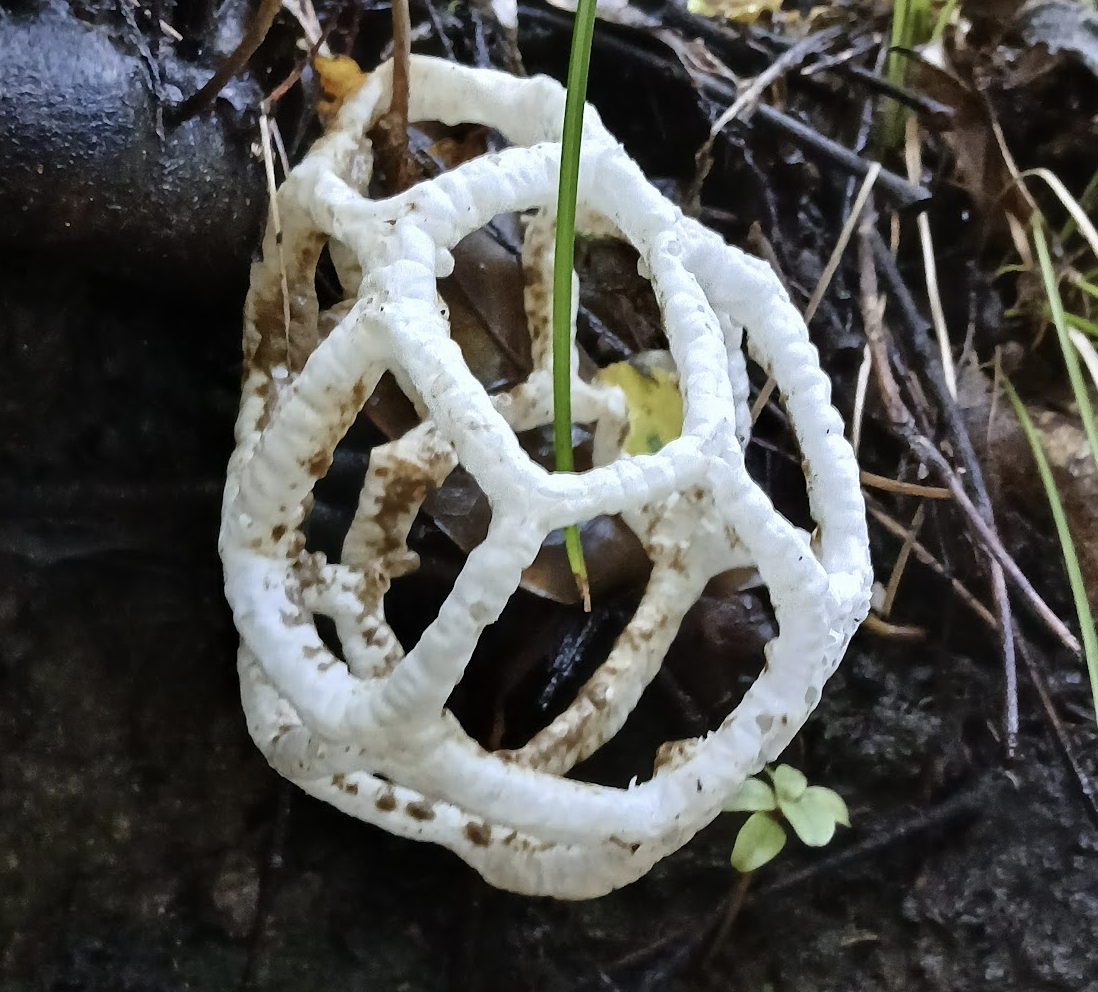
The Sometimes Missing ‘F’ Word: Fauna, Flora, and Funga
[vc_row row_height_percent="65" back_image="7960" overlay_alpha="50" gutter_size="3" column_width_percent="100" shift_y="0" z_index="0" content_parallax="0" uncode_shortcode_id="107104"][vc_column column_width_percent="100" position_vertical="middle" align_horizontal="align_center" gutter_size="3" overlay_color="color-584830" overlay_alpha="80" shift_x="0" shift_y="0" shift_y_down="0" z_index="0" medium_width="0" mobile_width="0" width="1/1"][vc_custom_heading text_color="color-xsdn" text_size="fontsize-321034" uncode_shortcode_id="148356" text_color_type="uncode-palette"]The Sometimes Missing ‘F’ Word: Fauna, Flora, and Funga[/vc_custom_heading][/vc_column][/vc_row][vc_row][vc_column width="1/4"][vc_custom_heading heading_semantic="h4" text_size="h4" uncode_shortcode_id="134185"]Written by Stacey Balich, based on the Tiritiri Talk presented by speaker Peter Buchanan.[/vc_custom_heading][/vc_column][/vc_row][vc_row][vc_column width="1/1"][vc_column_text uncode_shortcode_id="592956"]We were thrilled to welcome Peter Buchanan from Manaaki Whenua, Landcare Research as the guest speaker for this season’s Tiritiri Matangi Talk. His engaging presentation, “The Sometimes Missing ‘F’ Word: Fauna, Flora, and Funga,” opened our eyes to the often-overlooked world of fungi and its essential role in our ecosystems. Around 80 people gathered to hear Peter’s fascinating insights, making it one of our most well-attended and thought-provoking talks to date. Peter opened with a surprising…
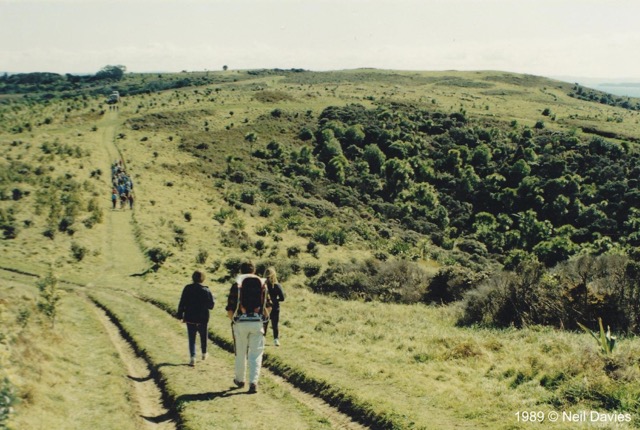
Spade brigade
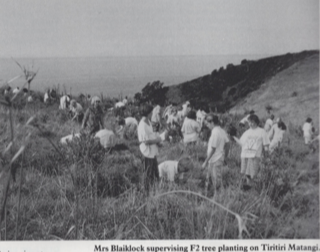
[vc_row row_height_percent="65" back_image="6622" overlay_alpha="50" gutter_size="3" column_width_percent="100" shift_y="0" z_index="0" uncode_shortcode_id="192362"][vc_column column_width_percent="100" position_vertical="middle" align_horizontal="align_center" gutter_size="3" overlay_color="color-584830" overlay_alpha="80" shift_x="0" shift_y="0" shift_y_down="0" z_index="0" medium_width="0" mobile_width="0" width="1/1"][vc_custom_heading text_color="color-xsdn" text_size="fontsize-321034" uncode_shortcode_id="199488" text_color_type="uncode-palette"]Spade brigade[/vc_custom_heading][/vc_column][/vc_row][vc_row][vc_column width="1/4"][vc_custom_heading heading_semantic="h4" text_size="h4" uncode_shortcode_id="176547"]Photo credits: Neil Davies[/vc_custom_heading][/vc_column][/vc_row][vc_row][vc_column width="1/1"][vc_column_text uncode_shortcode_id="183858"]It's inspiring to think about the planting programme that started in 1984 on the island to help restore the native birdlife habitat. It's impressive that over 10 years 280,000 trees were planted by volunteers, which included thirty different species of trees and shrubs. These volunteers formed the "spade brigade" and used pointed spades to plant seedlings that had germinated in the island's nursery. It's great to see people coming together to preserve the natural environment. Thanks to the vision of the Neil Mitchell and John Craig who thought of the idea and to the efforts of the volunteers. The Tiritiri Matangi project…
Tiritiri Matangi: a perfect fit for United Nations environment programme
[vc_row row_height_percent="65" back_image="6611" overlay_alpha="50" gutter_size="3" column_width_percent="100" shift_y="0" z_index="0" uncode_shortcode_id="111523"][vc_column column_width_percent="100" position_vertical="middle" align_horizontal="align_center" gutter_size="3" overlay_color="color-584830" overlay_alpha="80" shift_x="0" shift_y="0" shift_y_down="0" z_index="0" medium_width="0" mobile_width="0" width="1/1"][vc_custom_heading text_color="color-xsdn" text_size="fontsize-321034" uncode_shortcode_id="500364" text_color_type="uncode-palette"]Tiritiri Matangi: a perfect fit for United Nations environment programme[/vc_custom_heading][/vc_column][/vc_row][vc_row][vc_column width="1/4"][vc_custom_heading heading_semantic="h4" text_size="h4" uncode_shortcode_id="101082"]Author: Mel Galbraith (From the Dawn Chorus Archives, 130 August 2022) Date: August 2022[/vc_custom_heading][/vc_column][/vc_row][vc_row][vc_column width="1/1"][vc_column_text uncode_shortcode_id="196119"]Ecological restoration on Tiritiri was well ahead of its time. It has taken initiatives such as the sanctuary to encourage a global declaration that is now being internationally recognised, explains Mel Galbraith.[/vc_column_text][/vc_column][/vc_row][vc_row][vc_column width="1/1"][vc_column_text uncode_shortcode_id="644681"]Twelve hours after we collectively chorused Auld Lang Syne to welcome in the 1st January 2021, the United Nations launched a “Decade on Ecosystem Restoration” 2021-2030. Not that…
From planting some of the first trees to using them for shade from the sun
[vc_row row_height_percent="65" back_image="5775" overlay_alpha="50" gutter_size="3" column_width_percent="100" shift_y="0" z_index="0" uncode_shortcode_id="994650"][vc_column column_width_percent="100" position_vertical="middle" align_horizontal="align_center" gutter_size="3" overlay_color="color-584830" overlay_alpha="80" shift_x="0" shift_y="0" shift_y_down="0" z_index="0" medium_width="0" mobile_width="0" width="1/1"][vc_custom_heading text_color="color-xsdn" text_size="fontsize-321034" uncode_shortcode_id="564466" text_color_type="uncode-palette"]From planting some of the first trees to using them for shade from the sun[/vc_custom_heading][/vc_column][/vc_row][vc_row][vc_column width="1/4"][vc_custom_heading heading_semantic="h4" text_size="h4" uncode_shortcode_id="115414"]Authors: Students from St Cuthbert's Year 7 Date: Thursday 21st September 2023 Header image credit: Martin Sanders[/vc_custom_heading][/vc_column][/vc_row][vc_row][vc_column width="1/1"][vc_column_text uncode_shortcode_id="394385"]"Today St Cuthberts Year 7 visited Tiritiri Matangi. When we arrived, we admired the crystal clear water and the beautiful greenery that surrounded the island. As we were guided around the Island by the kind guides, we experienced all the beautiful songs of the birds. We learnt so much about all the different kinds and species of birds, trees, plants and so much about the history of the Island. It was very inspiring to know that our school was part of restoring this…
Tracking tunnels on Tiritiri Matangi
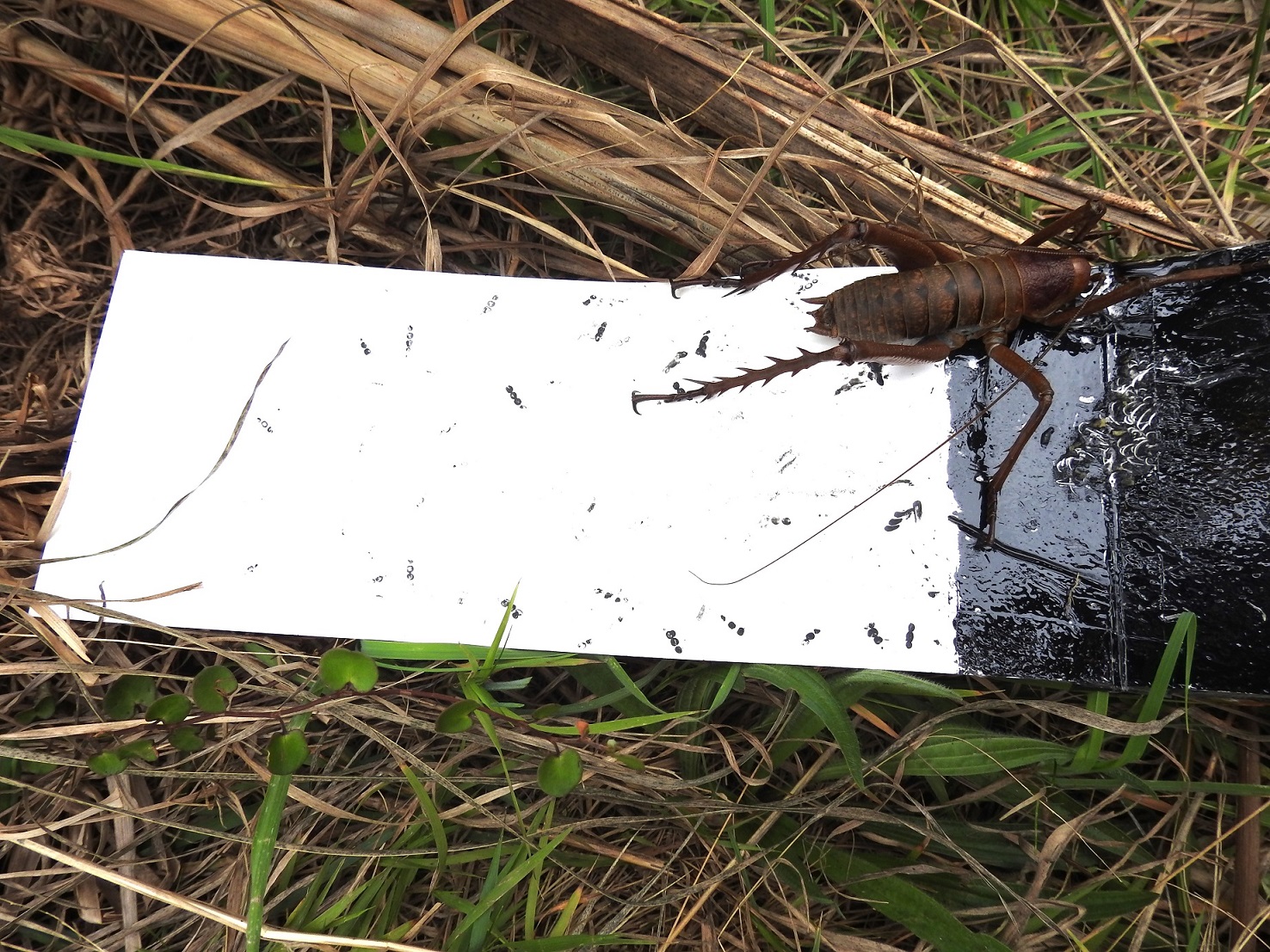
[vc_row row_height_percent="65" back_image="5702" overlay_alpha="50" gutter_size="3" column_width_percent="100" shift_y="0" z_index="0" uncode_shortcode_id="182015"][vc_column column_width_percent="100" position_vertical="middle" align_horizontal="align_center" gutter_size="3" overlay_color="color-584830" overlay_alpha="80" shift_x="0" shift_y="0" shift_y_down="0" z_index="0" medium_width="0" mobile_width="0" width="1/1"][vc_custom_heading text_color="color-xsdn" text_size="fontsize-321034" uncode_shortcode_id="102205" text_color_type="uncode-palette"]Tracking tunnels on Tiritiri Matangi[/vc_custom_heading][/vc_column][/vc_row][vc_row][vc_column width="1/4"][vc_custom_heading heading_semantic="h4" text_size="h4" uncode_shortcode_id="313830"]Author: Neil Davies Date: 15th September 2023[/vc_custom_heading][/vc_column][/vc_row][vc_row][vc_column width="1/1"][vc_column_text uncode_shortcode_id="627571"]Tracking tunnels on Tiritiri Matangi are used as a biosecurity monitoring tool for detecting the presence of unwanted organisms such as rats or mice. They can also build up a picture of what animals are present in a certain area. The cards inside the tunnels are inked in the middle and have peanut butter as a lure. Animals that are attracted by the smell of peanut butter enter the tunnel and walk across the ink to reach the peanut butter. When they exit the tunnel they leave footprints (and sometimes marks from the body or tail). In the past, the cards were left out for a month…
Adventures in "Deep Time"
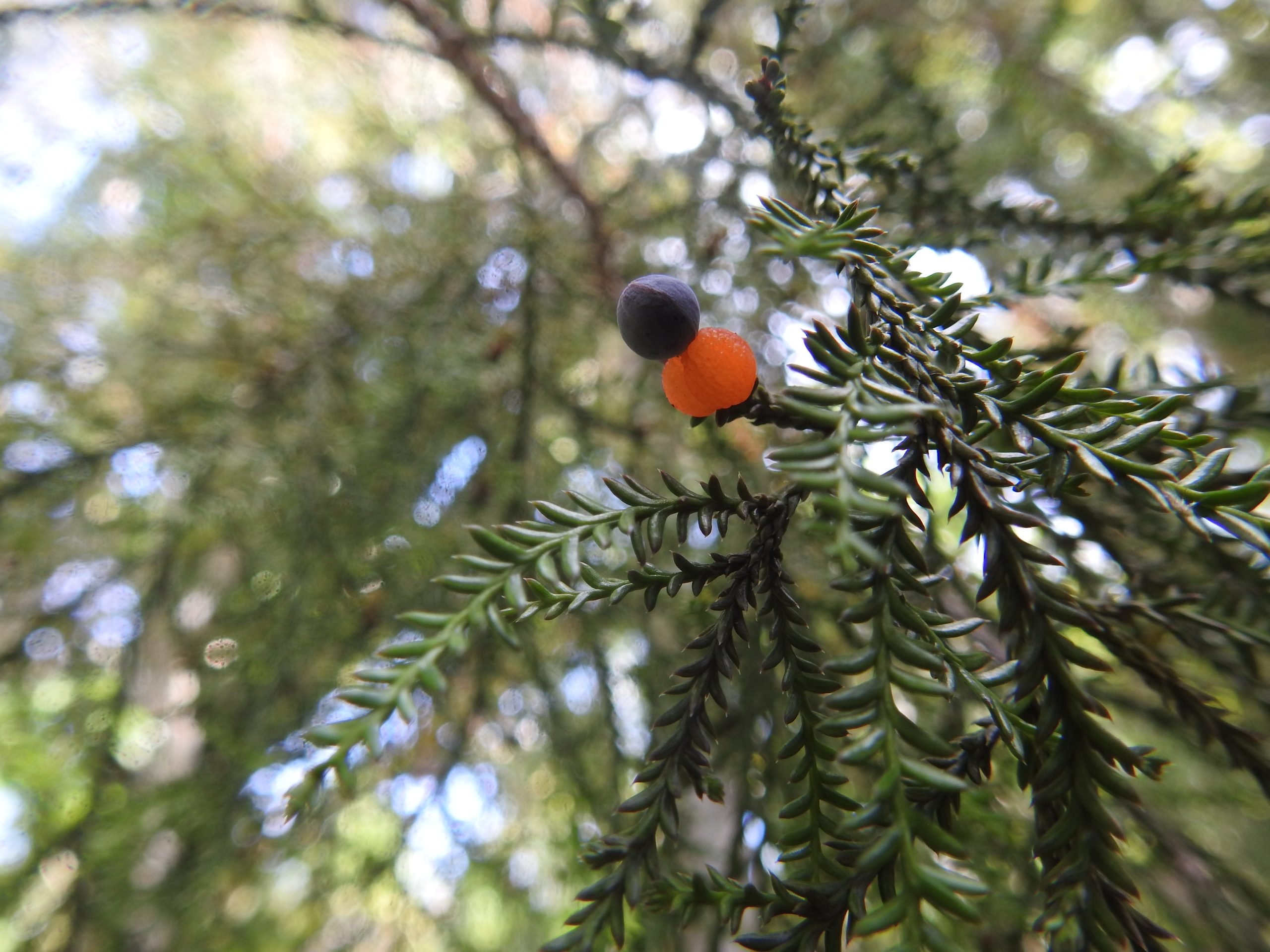
[vc_row row_height_percent="65" back_image="5404" overlay_alpha="50" gutter_size="3" column_width_percent="100" shift_y="0" z_index="0" uncode_shortcode_id="133243"][vc_column column_width_percent="100" position_vertical="middle" align_horizontal="align_center" gutter_size="3" overlay_color="color-584830" overlay_alpha="80" shift_x="0" shift_y="0" shift_y_down="0" z_index="0" medium_width="0" mobile_width="0" width="1/1"][vc_custom_heading text_color="color-xsdn" text_size="fontsize-321034" uncode_shortcode_id="206715" text_color_type="uncode-palette"]Adventures in "Deep Time" The First "Seed Plants" (Spermataphytes)[/vc_custom_heading][/vc_column][/vc_row][vc_row][vc_column width="1/4"][vc_custom_heading heading_semantic="h4" text_size="h4" uncode_shortcode_id="182815"]Author: John Sibley Image credits: John Sibley[/vc_custom_heading][/vc_column][/vc_row][vc_row][vc_column width="1/1"][vc_column_text uncode_shortcode_id="830195"]The ferns always had a major drawback when it came to occupying the dry land, and although their dominant sporophytes have well-developed internal tubes in their stems to carry water up to their fronds, they have a reproductive “Achilles heel” in that they possess mobile sperms with lashing tails which must swim in surface water films in order to reach female fern egg cells in order to fertilise them. The seed plants (Spermatophytes) overcame this limitation by producing male gametes (“sex cells”) in the form of dry pollen, often carried on the…
Divaricating theories
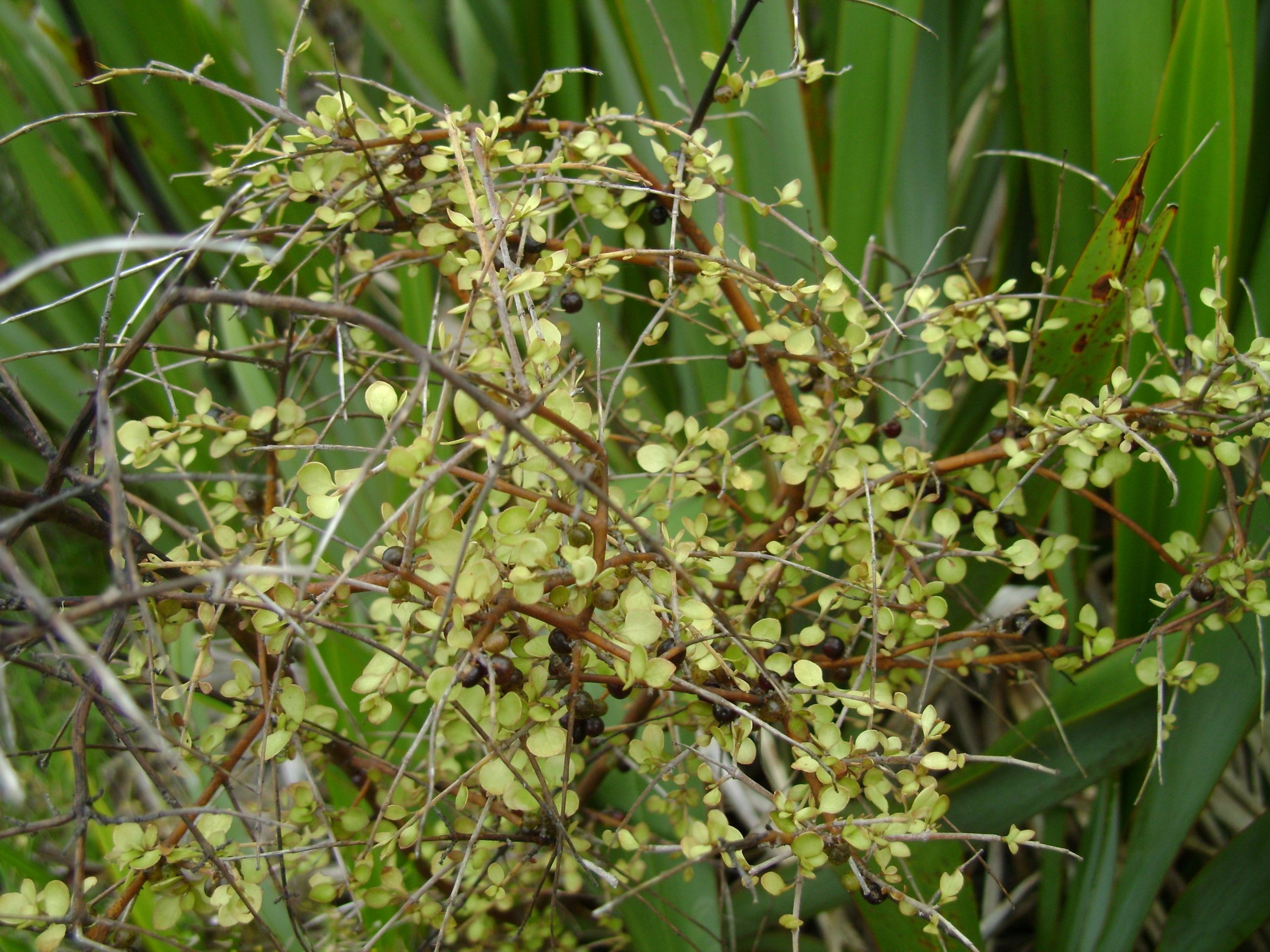
[vc_row row_height_percent="65" back_image="5390" overlay_alpha="50" gutter_size="3" column_width_percent="100" shift_y="0" z_index="0" uncode_shortcode_id="172429" shape_dividers=""][vc_column column_width_percent="100" position_vertical="middle" align_horizontal="align_center" gutter_size="3" overlay_color="color-584830" overlay_alpha="80" shift_x="0" shift_y="0" shift_y_down="0" z_index="0" medium_width="0" mobile_width="0" width="1/1"][vc_custom_heading text_color="color-xsdn" text_size="fontsize-321034" uncode_shortcode_id="114210" text_color_type="uncode-palette"]Divaricating Theories The puzzle of our small-leaved shrubs, moa and the ice ages[/vc_custom_heading][/vc_column][/vc_row][vc_row][vc_column width="1/4"][vc_custom_heading heading_semantic="h4" text_size="h4" uncode_shortcode_id="628763"]Author: Warren Brewer[/vc_custom_heading][/vc_column][/vc_row][vc_row][vc_column width="1/1"][vc_column_text uncode_shortcode_id="651035"]Visitors sometimes comment on the marked presence of small-leaved, twiggy shrubs in our forest. Our flora contains a high proportion of these small woody shrubs which have a tight interlocking branching pattern. They are called “divaricating shrubs”. They have small leaves and tough wiry stems with a dense meshwork of branches with multiple growing points inside the shrub. They often have a brownish colour, giving an almost dead-looking appearance. Some of our trees also pass through a divaricating juvenile stage, changing to a less tangled…

History of Wattle Track
[vc_row row_height_percent="65" back_image="5358" overlay_alpha="50" gutter_size="3" column_width_percent="100" shift_y="0" z_index="0" uncode_shortcode_id="233013"][vc_column column_width_percent="100" position_vertical="middle" align_horizontal="align_center" gutter_size="3" overlay_color="color-584830" overlay_alpha="80" shift_x="0" shift_y="0" shift_y_down="0" z_index="0" medium_width="0" mobile_width="0" width="1/1"][vc_custom_heading text_color="color-xsdn" text_size="fontsize-321034" uncode_shortcode_id="198796" text_color_type="uncode-palette"]History of Wattle Track[/vc_custom_heading][/vc_column][/vc_row][vc_row][vc_column width="1/4"][vc_custom_heading heading_semantic="h4" text_size="h4" uncode_shortcode_id="113409"]Author: Ray and Barbara Walter Sourced from Dawn Chorus 70, August 2007[/vc_custom_heading][/vc_column][/vc_row][vc_row][vc_column width="1/1"][vc_column_text uncode_shortcode_id="151008"]There seems to be varying commentary on the history of Wattle Valley. Here is the account of this famous walkway.[/vc_column_text][/vc_column][/vc_row][vc_row][vc_column width="1/1"][vc_column_text uncode_shortcode_id="352352"]Wattle Valley formed part of the Lighthouse Keepers cow paddock and was fenced off from the main farming block until the 1970's. It was not grazed from approx. the 1950's and so it naturally regenerated in mostly, mānuka, tī kōuka/cabbage tree and Harakeke/flax. Big Wattle Valley was mostly tī kōuka and Wattles. The wattles are from a…
Caulerpa - An invasive marine seaweed. What to look out for ... and what's next?
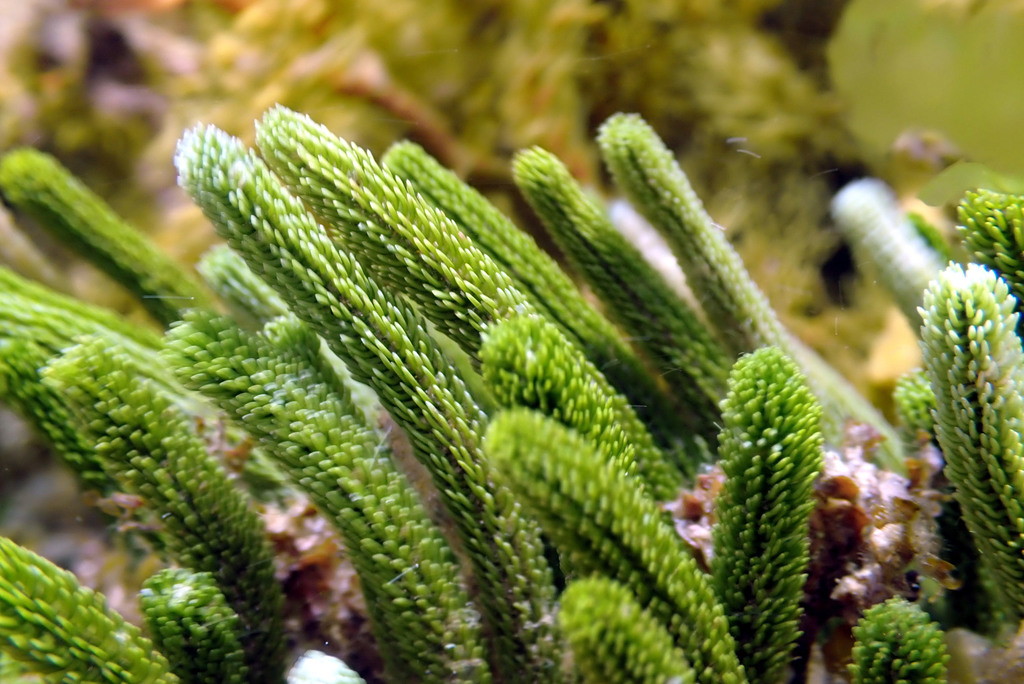
[vc_row row_height_percent="65" back_image="5244" overlay_alpha="50" gutter_size="3" column_width_percent="100" shift_y="0" z_index="0" uncode_shortcode_id="175640"][vc_column column_width_percent="100" position_vertical="middle" align_horizontal="align_center" gutter_size="3" overlay_color="color-584830" overlay_alpha="80" shift_x="0" shift_y="0" shift_y_down="0" z_index="0" medium_width="0" mobile_width="0" width="1/1"][vc_custom_heading text_color="color-xsdn" text_size="fontsize-321034" uncode_shortcode_id="182990" text_color_type="uncode-palette"]Caulerpa - An invasive marine seaweed. What to look out for ... and what's next?[/vc_custom_heading][/vc_column][/vc_row][vc_row][vc_column width="1/4"][vc_custom_heading heading_semantic="h4" text_size="h4" uncode_shortcode_id="345005"]Author: John Sibley Date: July 2023[/vc_custom_heading][/vc_column][vc_column width="1/4"][/vc_column][vc_column width="1/4"][/vc_column][vc_column width="1/4"][/vc_column][/vc_row][vc_row][vc_column width="1/1"][vc_column_text uncode_shortcode_id="529856"]Caulerpa brachypus and Caulerpa parvifolia are two almost identical species of invasive exotic seaweed that have been found growing intertidally on Aotea Great Barrier Island (2021) and now Kawau Island (2023). We need your help to detect it if it arrives on Tiritiri Matangi. The Caulerpa species grow extremely rapidly and are said to smother everything living on the seabed. Native species either move away or die. The photos below are of…