
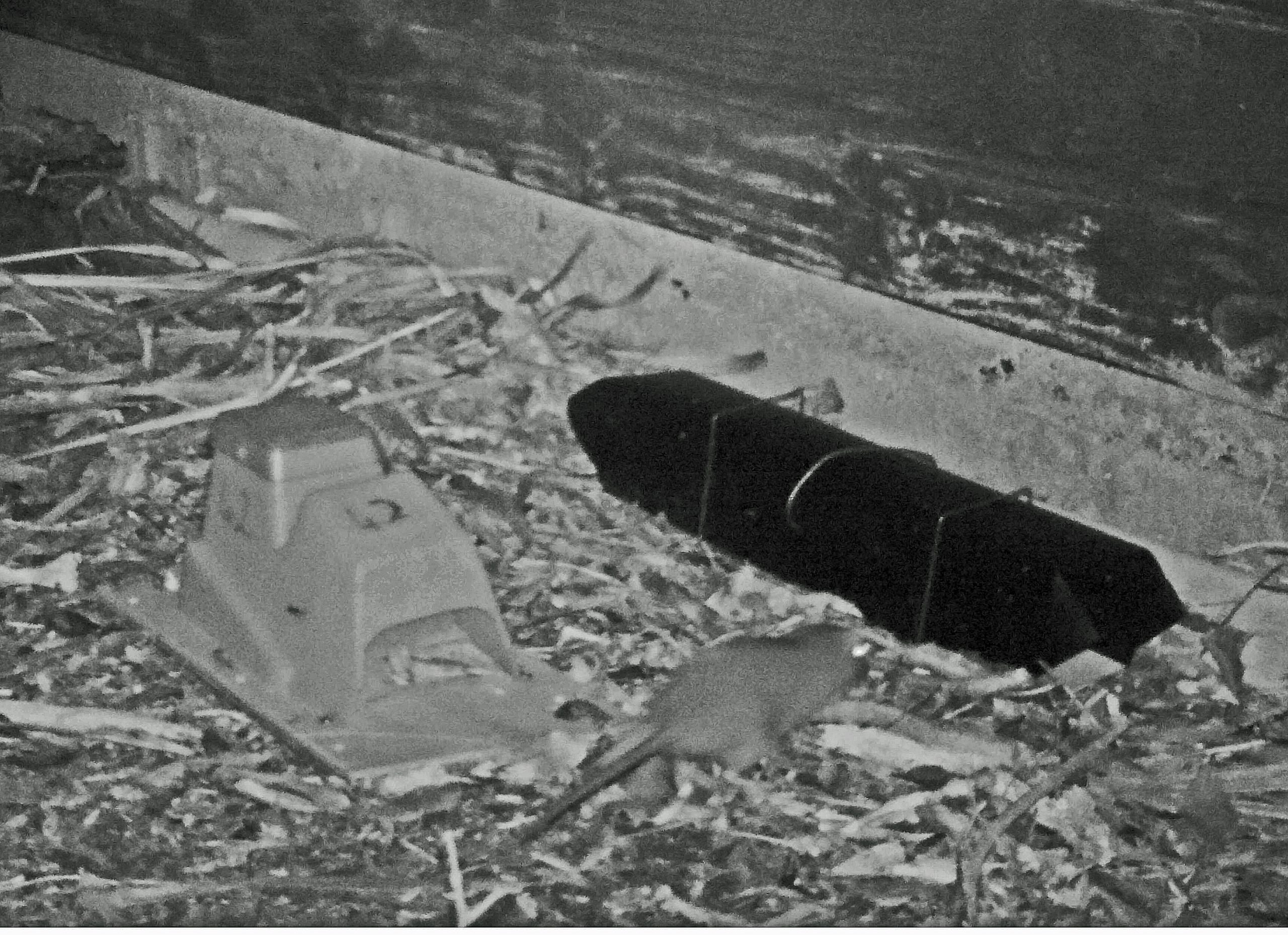
From the Dawn Chorus Archives: Rat tracks at Hobbs Beach spark huge effort to catch invader
[vc_row row_height_percent="65" back_image="5903" overlay_alpha="50" gutter_size="3" column_width_percent="100" shift_y="0" z_index="0" uncode_shortcode_id="384246"][vc_column column_width_percent="100" position_vertical="middle" align_horizontal="align_center" gutter_size="3" overlay_color="color-584830" overlay_alpha="80" shift_x="0" shift_y="0" shift_y_down="0" z_index="0" medium_width="0" mobile_width="0" width="1/1"][vc_custom_heading text_color="color-xsdn" text_size="fontsize-321034" uncode_shortcode_id="707701" text_color_type="uncode-palette"]Rat tracks at Hobbs Beach spark huge effort to catch invader[/vc_custom_heading][/vc_column][/vc_row][vc_row][vc_column width="1/4"][vc_custom_heading heading_semantic="h4" text_size="h4" uncode_shortcode_id="201752"]From the Dawn Chorus Archives Editor: Jim Eagles Date: Dawn Chorus 112 February 2018 Photo credit: DOC and Karen O'Shea[/vc_custom_heading][/vc_column][/vc_row][vc_row][vc_column width="1/1"][vc_column_text uncode_shortcode_id="148424"]Two huge rodent hunts have been carried out on Tiritiri over the past three months (end of 2017 and start of 2018) to preserve the rodent-free status the Island has enjoyed since 1993. Late last year a visitor reported seeing a mouse and sparked off a search which found nothing. Then early this year the discovery of rat tracks near Hobbs Beach led to an even bigger operation.[/vc_column_text][/vc_column][/vc_row][vc_row][vc_column width="1/1"][vc_column_text…

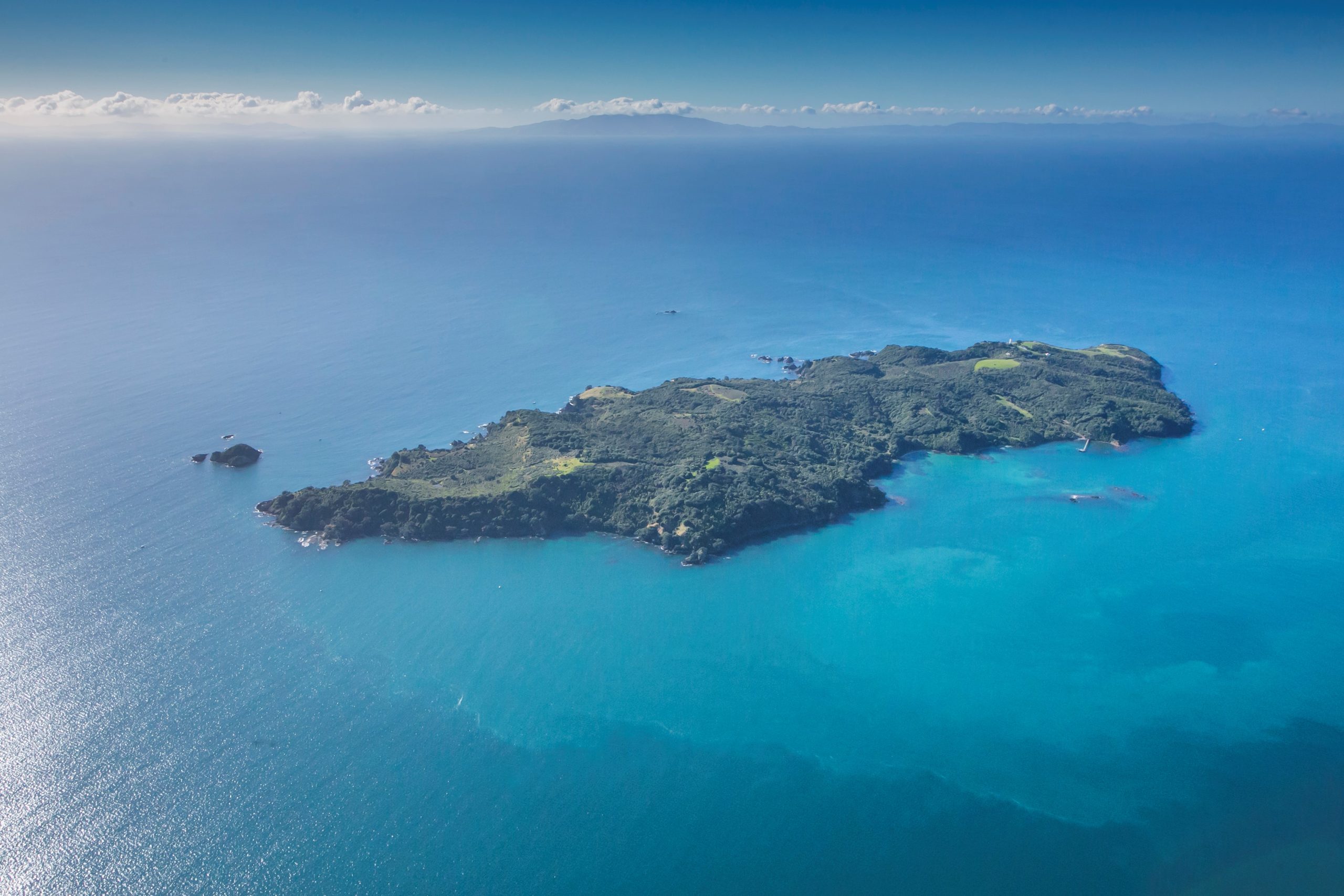
Pioneering restoration of Tiritiri Matangi
[vc_row row_height_percent="65" back_image="5190" overlay_alpha="50" gutter_size="3" column_width_percent="100" shift_y="0" z_index="0" uncode_shortcode_id="311178"][vc_column column_width_percent="100" position_vertical="middle" align_horizontal="align_center" gutter_size="3" overlay_color="color-584830" overlay_alpha="80" shift_x="0" shift_y="0" shift_y_down="0" z_index="0" medium_width="0" mobile_width="0" width="1/1"][vc_custom_heading text_color="color-xsdn" text_size="fontsize-321034" uncode_shortcode_id="172676" text_color_type="uncode-palette"]The pioneering restoration of Tiritiri Matangi[/vc_custom_heading][/vc_column][/vc_row][vc_row][vc_column width="1/4"][vc_custom_heading heading_semantic="h4" text_size="h4" uncode_shortcode_id="545996"]'Saving Britain's Island' is a short film about island conservation, by ZSL PhD student, Joshua Powell. Produced by Matt Jarvis with the assistance of camera operators Benjamin Harris (UK) and Ben Sarten (NZ) Funded by the British Ecological Society[/vc_custom_heading][/vc_column][/vc_row][vc_row][vc_column width="1/1"][vc_column_text uncode_shortcode_id="182298"]In early 2021 a film crew from the UK visited Tiritiri Matangi to produce a short documentary. The film would target audiences in the UK as an introduction to island conservation. Tiritiri Matangi was chosen because the pioneering restoration project has inspired similar projects around the world. The film explores how these techniques can be used to help protect…
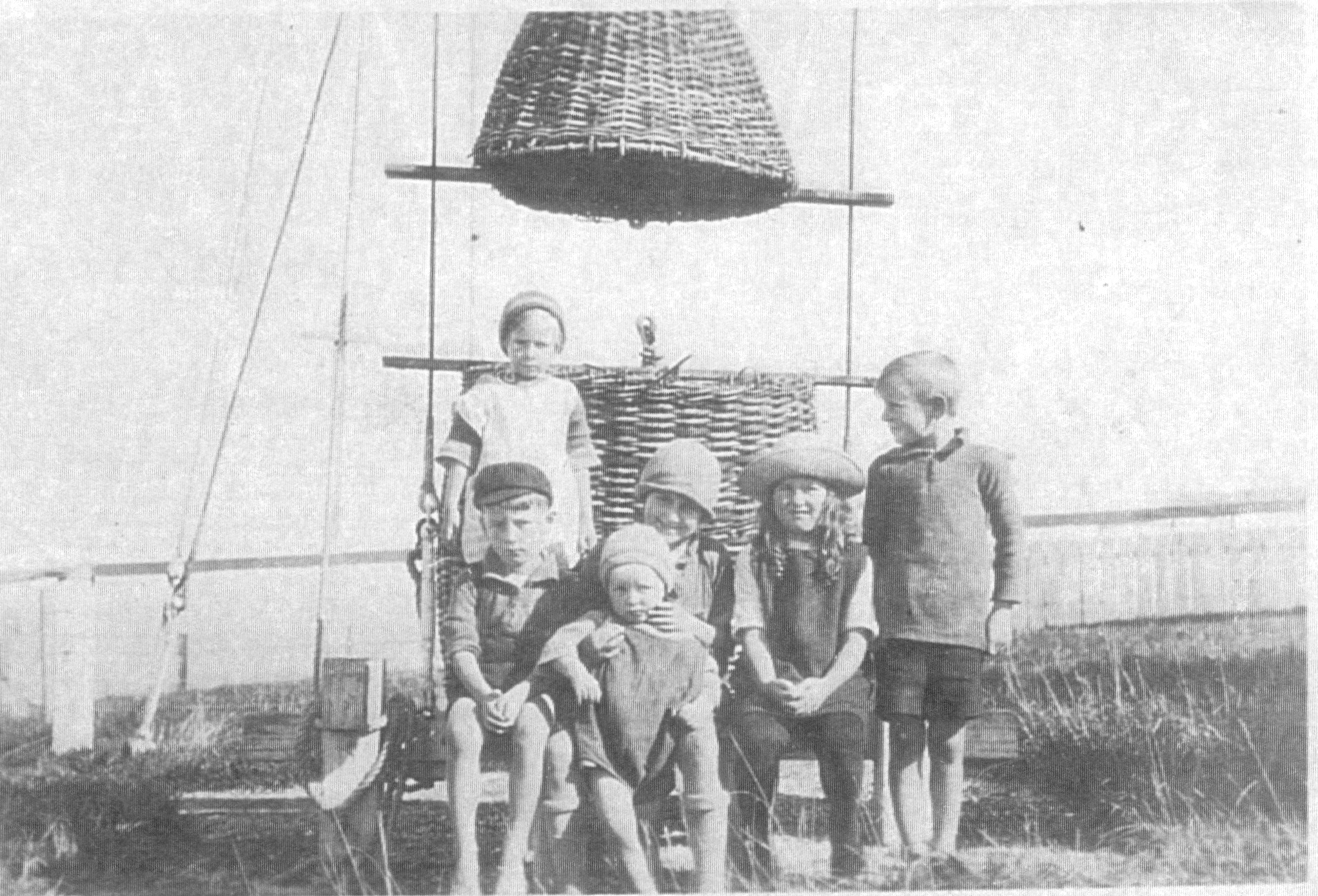
If only we could re-live those days
[vc_row row_height_percent="65" back_image="5158" overlay_alpha="50" gutter_size="3" column_width_percent="100" shift_y="0" z_index="0" uncode_shortcode_id="880827"][vc_column column_width_percent="100" position_vertical="middle" align_horizontal="align_center" gutter_size="3" overlay_color="color-584830" overlay_alpha="80" shift_x="0" shift_y="0" shift_y_down="0" z_index="0" medium_width="0" mobile_width="0" width="1/1"][vc_custom_heading text_color="color-xsdn" text_size="fontsize-321034" uncode_shortcode_id="298027" text_color_type="uncode-palette"]If only we could re-live those days[/vc_custom_heading][/vc_column][/vc_row][vc_row][vc_column width="1/4"][vc_custom_heading heading_semantic="h4" text_size="h4" uncode_shortcode_id="761253"]Author: Mrs Dora Walthew (nee King) From the Supporters of Tiritiri Matangi archives. We think it was written in the 1980s[/vc_custom_heading][/vc_column][/vc_row][vc_row][vc_column width="1/1"][vc_column_text uncode_shortcode_id="128498"]It was the year 1934 and the island sat like a bright green jewel, in the blue waters of the Hauraki Gulf - approximately 16 miles from the port of Auckland, which nestles beyond the massive bulk of Rangitoto, guardian of the harbour entrance. The island was fringed with the bright red blooms of the pohutukawa trees, growing from the cliffs edges and along the rock foreshore. On the highest point of the island, stood the lighthouse. A 60 foot construction of steel sections, bolted together with a strong…

Tiritiri Matangi Island On Active Service
[vc_row row_height_percent="65" back_image="4876" overlay_alpha="50" gutter_size="3" column_width_percent="100" shift_y="0" z_index="0" uncode_shortcode_id="137939"][vc_column column_width_percent="100" position_vertical="middle" align_horizontal="align_center" gutter_size="3" overlay_color="color-584830" overlay_alpha="80" shift_x="0" shift_y="0" shift_y_down="0" z_index="0" medium_width="0" mobile_width="0" width="1/1"][vc_custom_heading text_color="color-xsdn" text_size="fontsize-321034" uncode_shortcode_id="179182" text_color_type="uncode-palette"]Tiritiri Matangi Island On Active Service[/vc_custom_heading][/vc_column][/vc_row][vc_row][vc_column width="1/4"][vc_custom_heading heading_semantic="h4" text_size="h4" uncode_shortcode_id="600552"]Author: Stacey Balich This text has been collated using Tiritiri Matangi, A Model of Conservation by Anne Rimmer Date: 13/06/23[/vc_custom_heading][/vc_column][/vc_row][vc_row][vc_column width="1/1"][vc_column_text uncode_shortcode_id="131421"]During the Second World War (1939-45) the island was part of the Auckland Harbour defences. The day after war broke out, 12 Royal Naval Volunteer Reserve signalmen landed on Tiritiri Matangi to identify all approaching vessels. The Navy duplicated much of the Auckland Harbour work of identification. At first, the two services shared the Auckland Harbour Board facilities but it soon became apparent that the Navy needed its own building. The military then built the Port War Signal Station, near…
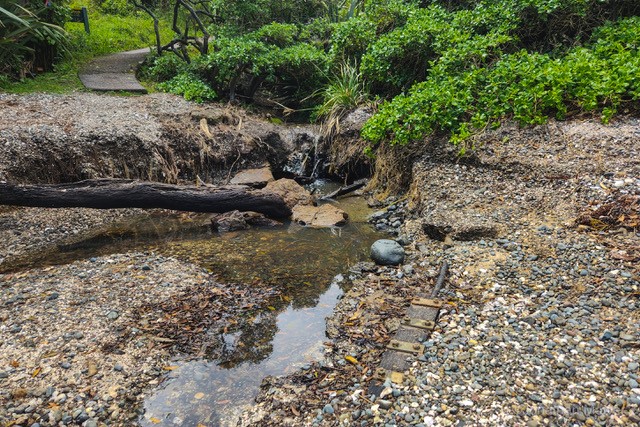
Bringing light to part of Tiritiri Matangi history
[vc_row row_height_percent="65" back_image="4679" overlay_alpha="50" gutter_size="3" column_width_percent="100" shift_y="0" z_index="0" uncode_shortcode_id="966576"][vc_column column_width_percent="100" position_vertical="middle" align_horizontal="align_center" gutter_size="2" overlay_color="color-584830" overlay_alpha="80" shift_x="0" shift_y="0" shift_y_down="0" z_index="0" medium_width="0" mobile_width="0" width="1/1" uncode_shortcode_id="187841" overlay_color_type="uncode-palette"][vc_custom_heading text_color="color-xsdn" text_size="fontsize-321034" uncode_shortcode_id="142737" text_color_type="uncode-palette"]Bringing light to part of Tiritiri Matangi history[/vc_custom_heading][/vc_column][/vc_row][vc_row row_height_percent="0" override_padding="yes" h_padding="3" top_padding="2" bottom_padding="2" overlay_alpha="50" gutter_size="3" column_width_percent="100" shift_y="0" z_index="0" uncode_shortcode_id="700509"][vc_column column_width_percent="100" gutter_size="2" overlay_alpha="50" shift_x="0" shift_y="0" shift_y_down="0" z_index="0" medium_width="0" mobile_width="0" width="1/4" uncode_shortcode_id="549017"][vc_custom_heading heading_semantic="h4" text_size="h5" uncode_shortcode_id="190025"]Author: Jonathan Mower Date: 23/04/23[/vc_custom_heading][/vc_column][vc_column width="1/4"][/vc_column][vc_column width="1/4"][/vc_column][vc_column width="1/4"][/vc_column][/vc_row][vc_row row_height_percent="0" override_padding="yes" h_padding="3" top_padding="0"…