
[vc_row row_height_percent=”65″ back_image=”7450″ overlay_alpha=”50″ gutter_size=”3″ column_width_percent=”100″ shift_y=”0″ z_index=”0″ uncode_shortcode_id=”102057″][vc_column column_width_percent=”100″ position_vertical=”middle” align_horizontal=”align_center” gutter_size=”3″ overlay_color=”color-584830″ overlay_alpha=”80″ shift_x=”0″ shift_y=”0″ shift_y_down=”0″ z_index=”0″ medium_width=”0″ mobile_width=”0″ width=”1/1″][vc_custom_heading text_color=”color-xsdn” text_size=”fontsize-321034″ uncode_shortcode_id=”853768″ text_color_type=”uncode-palette”]Tropical newcomers thrive as our sea temperatures continue to increase off Tiritiri Matangi[/vc_custom_heading][/vc_column][/vc_row][vc_row][vc_column width=”1/4″][vc_custom_heading heading_semantic=”h4″ text_size=”h4″ uncode_shortcode_id=”416137″]Author: John Sibley, Guide
Date: August 2024
Photos credit: John Sibley[/vc_custom_heading][/vc_column][/vc_row][vc_row][vc_column width=”1/1″][vc_column_text uncode_shortcode_id=”644533″]Once again in 2024 the winter minimum sea temperature off Tiritiri Matangi stayed two degrees higher than the historical recorded average 50-60 years ago.[/vc_column_text][/vc_column][/vc_row][vc_row][vc_column width=”1/1″][vc_single_image media=”7451″ media_width_percent=”100″ uncode_shortcode_id=”314973″][/vc_column][/vc_row][vc_row][vc_column width=”1/1″][vc_column_text uncode_shortcode_id=”185261″]At the same time two warm water species from the tropical North took advantage of this and were able to dominate the local marine ecology to the detriment of its indigenous residents.
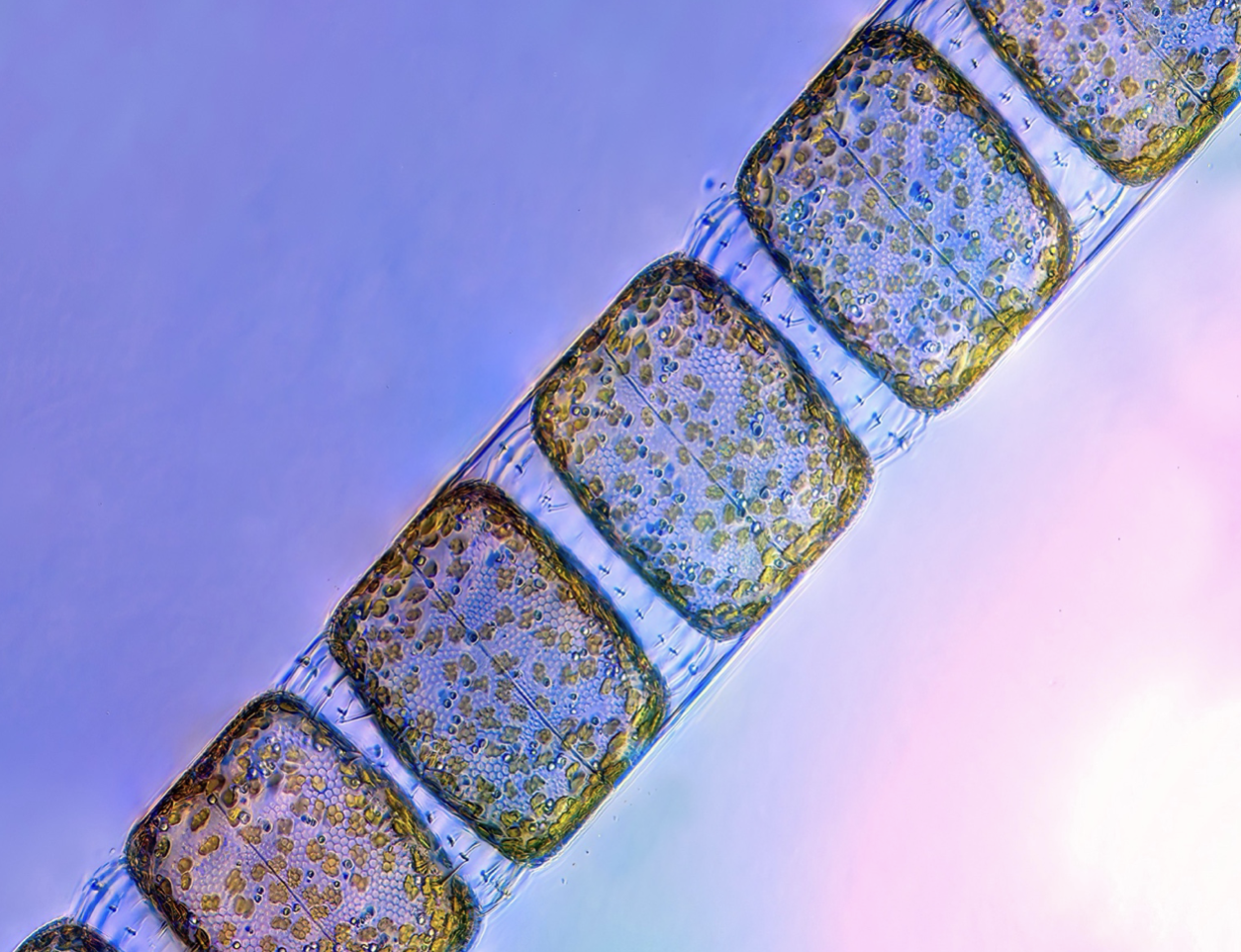
The first species to appear in 2024 was the tropical toxic cyanobacterium Okeania, which now forms a permanent part of the seagrass community around the Gulf. Aided on by the half million tonne sewage spill from Parnell in October last year, Okeania grew rapidly in January to smother vast areas of seagrass. [/vc_column_text][/vc_column][/vc_row][vc_row][vc_column width=”1/1″][vc_row_inner][vc_column_inner width=”1/2″][vc_single_image media=”7452″ media_width_percent=”100″ uncode_shortcode_id=”899342″][/vc_column_inner][vc_column_inner width=”1/2″][vc_single_image media=”7453″ media_width_percent=”100″ uncode_shortcode_id=”116054″][/vc_column_inner][/vc_row_inner][vc_custom_heading text_size=”h6″ uncode_shortcode_id=”129539″]Left: Leaving a few strands on a microscope slide one sunny afternoon resulted in a tangled mass four hours later
Right: Off Tiritiri Matangi the seagrass beds were affected from the wharf to Hobbs Bay, with slimy fingers (picture above) breaking away and floating up to the surface just where swimmers love to come and cool down after a hot days walking.[/vc_custom_heading][/vc_column][/vc_row][vc_row][vc_column width=”1/1″][vc_column_text uncode_shortcode_id=”196077″]Off Waikehe Island the council were called in to clear the resulting half metre deep layer of black slime off the beaches. Off Tiritiri Matangi the seagrass beds were affected from the wharf to Hobbs Bay, with slimy fingers (picture above) breaking away and floating up to the surface just where swimmers love to come and cool down after a hot days walking. The toxins produced are known to cause contact dermatitis, skin ulcers and even corneal perforations. Growth rates of this organism are truly impressive. When observing Okeania under the microscope, the strands are in constant rapid sliding motion as the cells divide. Leaving a few strands on a microscope slide one sunny afternoon resulted in a tangled mass four hours later, (See picture previous page) such was the astonishing growth rate. Since the sewage leak last year, amounts of the cyanobacterium have decreased, but it still forms a significant component of the changed seagrass ecosystem. [/vc_column_text][/vc_column][/vc_row][vc_row][vc_column width=”1/1″][vc_column_text uncode_shortcode_id=”164289″]The other tropical invader is a chain forming diatom called Stephanopyxis (below). It is a real beauty with its clear glass “skeleton” scattering light like a string of gems. It is harmless to humans but still competes with the native species of diatom for light and nutrients. Stephanopyxis first appeared in the plankton hauls taken off Tiritiri Matangi Wharf in mid May. It quickly “bloomed” until it was virtually the only species of diatom present. It is now slowly decreasing in numbers as the original native species return. [/vc_column_text][/vc_column][/vc_row][vc_row][vc_column width=”1/1″][vc_single_image media=”7454″ media_width_percent=”100″ uncode_shortcode_id=”180643″][/vc_column][/vc_row][vc_row][vc_column width=”1/1″][vc_column_text uncode_shortcode_id=”974009″]It remains to be seen if it becomes part of the regular marine community.
This is just one example of how our marine (and terrestrial) environment is being impacted as climate change proceeds.
There are many other examples on Tiritiri Matangi, and the overall longer-term situation is extremely serious.[/vc_column_text][/vc_column][/vc_row]