The Life and Time of Mr Blue the Takahē
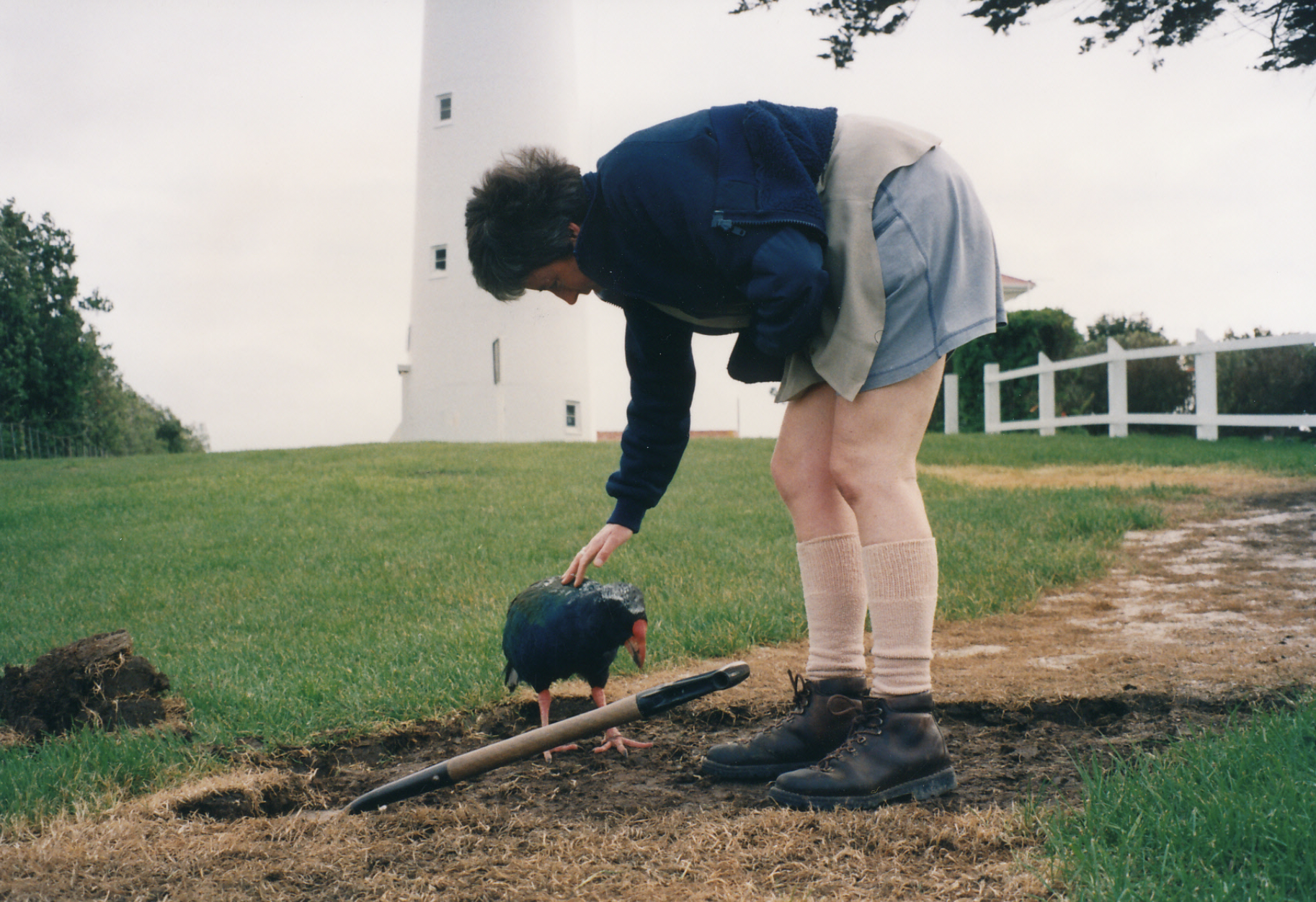
The Life and Time of Mr Blue the TakahēFrom the Supporters of Tiritiri Matangi Archives. Bulletin 28, Summer 1996/97. Editor Peter LeeFor many visitors, Mr Blue was Tiritiri. No visit seemed complete without a sight of the ‘old man’ mischievously investigating visitors around the nursery. Somehow, he always seemed almost human in his fearlessness, his curiosity and his desire to have his chin scratched. It was difficult at times to remember that he in fact was a representative of one of the world’s rarest species. Yet he was… Mr Blue’s story started as an egg collected from the Murchison Mountains in Fiordland and hatched at Te Anna on 12 December 1984. From there, he was transferred to Maud Island – where his inquisitive nature soon showed up, as the photos show. His fame, though, truly arrived when he was chosen in 1991 as one of the two takahēs to initiate DoC’s policy of enhancing the species’ survival by building a population of takahē on Tiritiri. The release would herald a number of firsts – the first onto an ‘open’ island, and the first outside its hitherto-accepted ancestral range. Would it work? And who would pay the cost? Fortunately for Tiritiri, funding was made available through the generous sponsorship of Du Pong New Zealand. This, and subsequent donations by Du Post, made it possible to implement the programme. Many of us…

Remembering Cloudsley Shovell and Te Koha Waiata, Tiritiri Matangi’s Founding Kōkako Pair
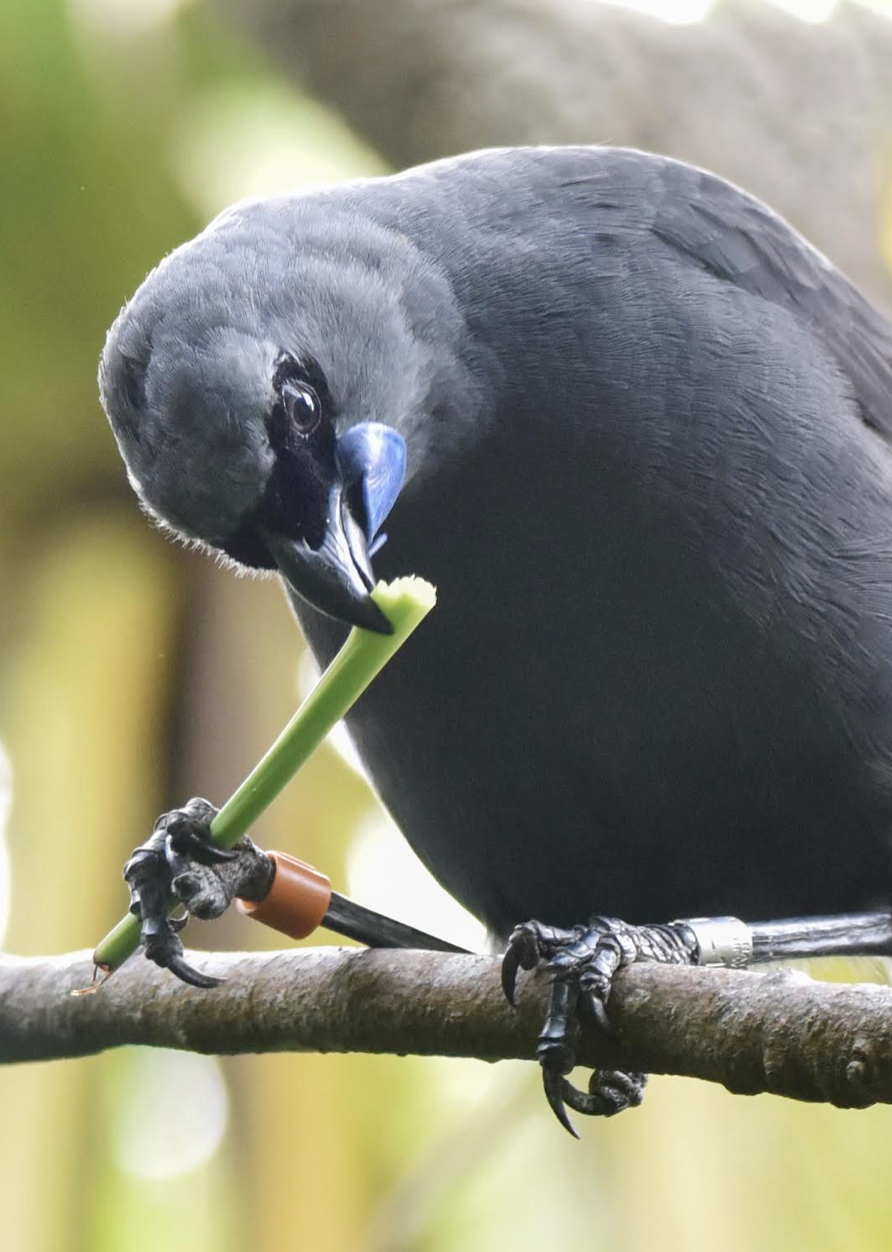
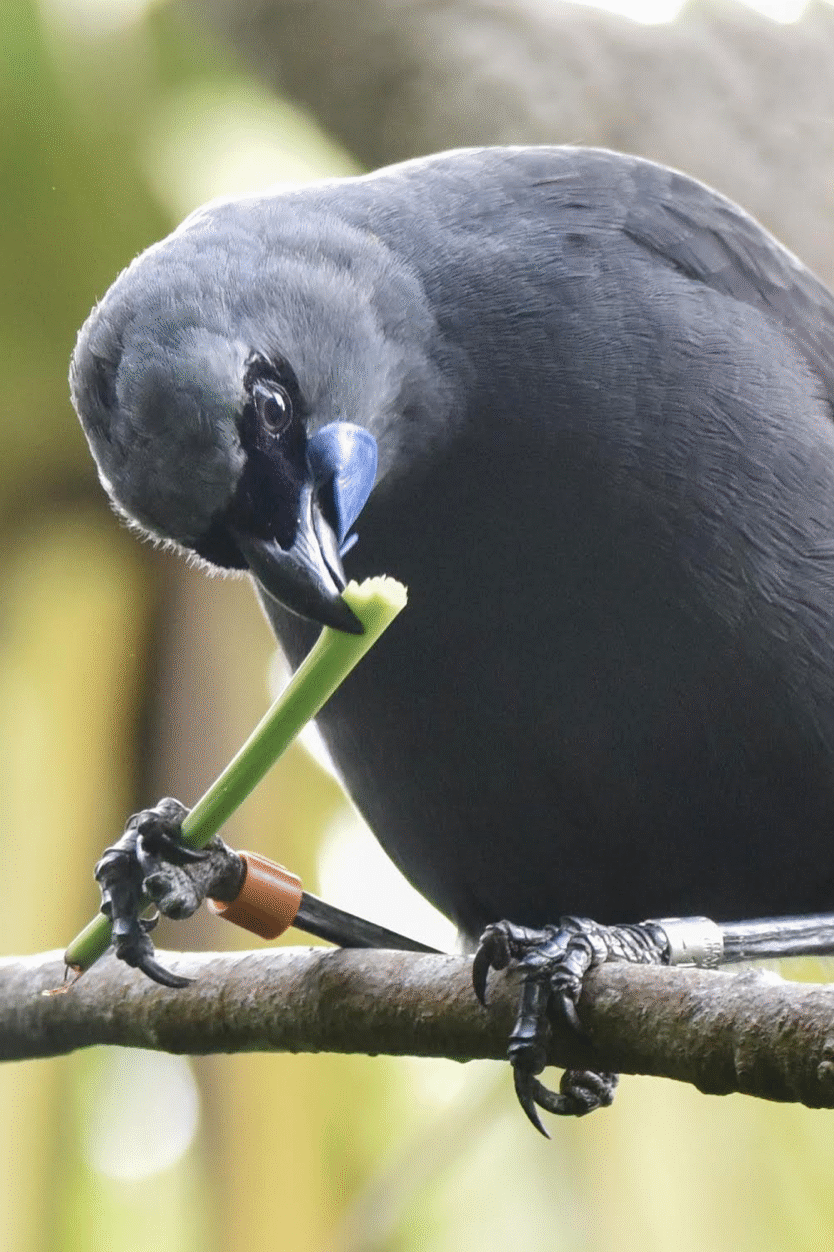
Remembering Cloudsley Shovell and Te Koha Waiata, Tiritiri Matangi’s Founding Kōkako PairThe following content is the work of Morag Fordham and drawn from previous editions of Dawn Chorus collated by Janet Petricevich.Heading photo credit: Cloudsley Shovell, Geoff BealsThe North Island kōkako (Callaeas wilsoni) is one of Aotearoa New Zealand’s most hauntingly beautiful and unique forest birds. A member of the ancient wattlebird family, kōkako are related to tīeke/saddlebacks and the now-extinct huia. Easily recognised by their steel-blue-grey plumage, black mask, and vivid fleshy blue wattles at the base of their beak, kōkako are often heard before they are seen. Their rich, organ-like duet song carries through the forest canopy, creating an unforgettable soundscape.
Unlike most birds, kōkako prefer to glide and hop through the treetops rather than fly in long stretches. They are curious, gentle birds that live in monogamous pairs and maintain strong territories, often working together to defend their patch and raise chicks. Their diet consists of leaves, fruit, flowers and invertebrates, making them vital seed dispersers in healthy forest ecosystems.
 …
…

Nature’s Carbon Catchers: How Pōhutukawa Trees Help Our Planet
Nature’s Carbon Catchers: How Pōhutukawa Trees Help Our PlanetAuthor: Stacey Balich, volunteer guidePhoto credit: Pōhutukawa photos, Jonathan MowerDid you know that big old trees like the pōhutukawa are working quietly every day to keep our planet healthy? These trees are more than just beautiful, they’re nature’s carbon catchers.
When trees grow, they absorb a gas from the air called carbon dioxide (CO₂). This gas is made up of carbon, a natural building block found in all living things, people, animals, and plants included. When trees grow, they soak up carbon from the air and use it to build their trunk, branches, and leaves. This is called being a carbon sink, it’s like the tree is a sponge, soaking up extra carbon! This helps keep the Earth cooler, because too much carbon in the air can make the planet warmer than it should be. So, trees aren’t just growing, they’re helping cool the planet.
And there’s more! As trees take in carbon dioxide, they also release oxygen, which we all need to breathe. That means every tree is helping us in two big ways: by cleaning the air and by giving us the oxygen we need to live.

Ferns, Fungi, and Forest Magic
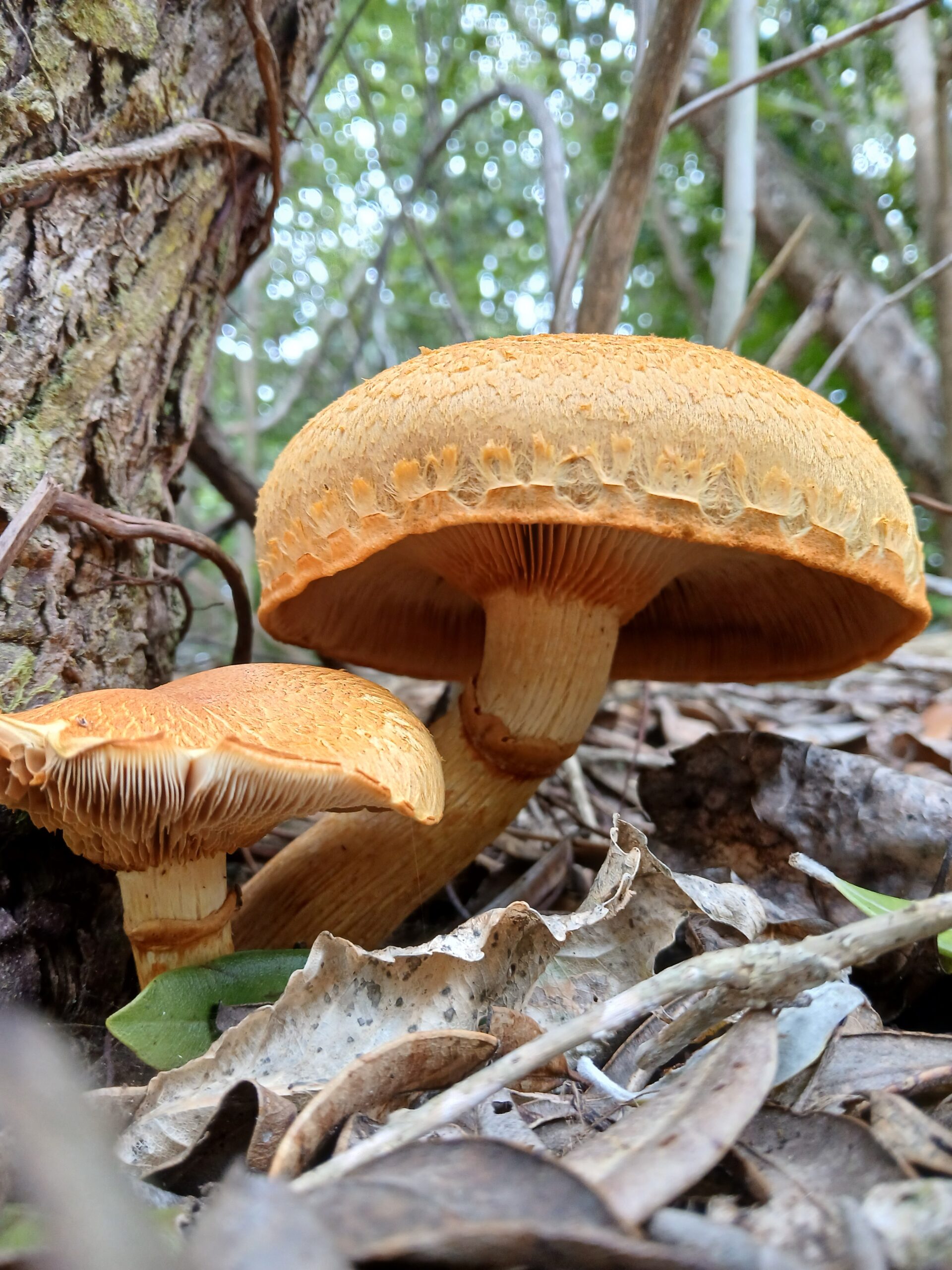
Ferns, Fungi, and Forest MagicAuthor: Stacey Balich, volunteer guideTiritiri Matangi is one of those rare places where you can truly switch off, and I mean really switch off. There’s no Wi-Fi and barely any phone reception, so your mobile pretty much turns into just a camera. And honestly? That’s kind ofthe point. The island moves at a slower pace, and you do too. You breathe deeper, walk slower, and notice all the little things you usually miss in the rush of everyday life. Winter might just be the best time to visit. The sugar feeders are buzzing with life, hihi/stitchbirds and korimako/bellbirds darting in and out, filling the air with this incredible, layered birdsong that somehow manages to be both chaotic and calming. Just find a bench nearby, sit still, and listen. You might spot a tūī hanging around, trying to sneak a sip of sugar water, though they’re way too big to get in. It’s kind of cheeky and charming all at once. And when you really stop and let yourself tune in, it’s wild how much you hear. If you’re up for a walk, my go-to is the Kawerau Track. It weaves through some of the island’s oldest forest, where the trees are tall, the light filters in soft and green, and the forest feels… grounded. The track kind of invites you to slow right down and just be. No rush. No noise. Just birds, trees, and that gentle hush that only old…
Inspiring environmental action in our school
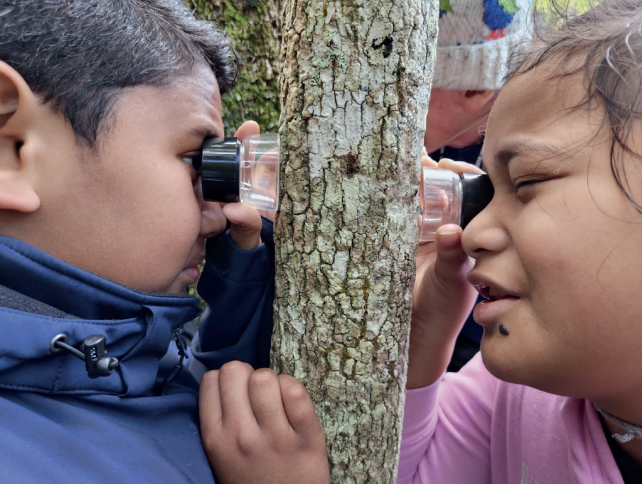
From Tiritiri Matangi to Ōtāhuhu:Inspiring environmental action in our schoolAuthor: Josh Burrowes, Associate Principal at Ōtāhuhu Primary, shares the school's journey of environmental learning with Dawn Chorus.From the Supporters of Tiritiri Matangi Archives: Bulletin 139, November 2024Ōtāhuhu Primary School has been undergoing a shift in our approach to inquiry learning over the past two years. Last year, we made a plan to investigate the “three B’s” in our school environment – birds, bugs and bees – to understand biodiversity and the relationship between our physical environment and its impact on how the three B’s survive. Given the industrial nature of our school’s surrounding neighbourhood, we wanted to ensure that our students are exposed to a rich and biodiverse ecosystem so that they can better understand these concepts. We were connected with Tiritiri Matangi and applied for the Growing Minds Programme, which has allowed us to see our vision come to life. Throughout 2024, with the support of the funding we received through Growing Minds, we have been able to take almost all of our Year 4-6 students across to Tiritiri Matangi Island (almost 300 students) to experience this once-in-a-lifetime opportunity. The journey began during the Term 1 school break when we took our teachers across to Tiritiri Matangi to get firsthand experience…

Visitor Centre Opening Springs Surprise
Visitor Centre Opening Springs SurpriseFrom the Supporters of Tiritiri Matangi Archives: Dawn Chorus, December 2005, Bulletin 63Photo credit: Fiona Oliphant, DoCThe official opening of Tiritiri Matangi lsland’s new Visitor Centre was attended by more than 100 Supporters and friends in early November. As Ray and Barbara unveiled the plaque, they were surprised to discover that the centre was named in their honour – The Ray and Barbara Walter Visitor Centre. To the delight of everyone at the official opening of the new Visitor Centre on Tiritiri Matangi, Department of Conservation Rangers Ray and Barbara Walter, were unaware that the Visitor Centre was to be named after them. As they pulled the cords to reveal the overhead plaque, their surprise was met with warm applause from the crowd. Speakers and a dedication from Supporters’ founder Jim Battersby, preceded the unveiling and the cutting of a red ribbon by Ray and Barbara. First of the invited guides to speak was the Minister of Conservation Chris Carter, who retains the Conservation portfolio for a second term. He reflected on the Visitor Centre as part of the commitment to the importance of conservation education for present and future generations. “Tiritiri is an international icon for restoration conservation, and at international conservation events I often talk about what has…
E-Bikes and Solar Power
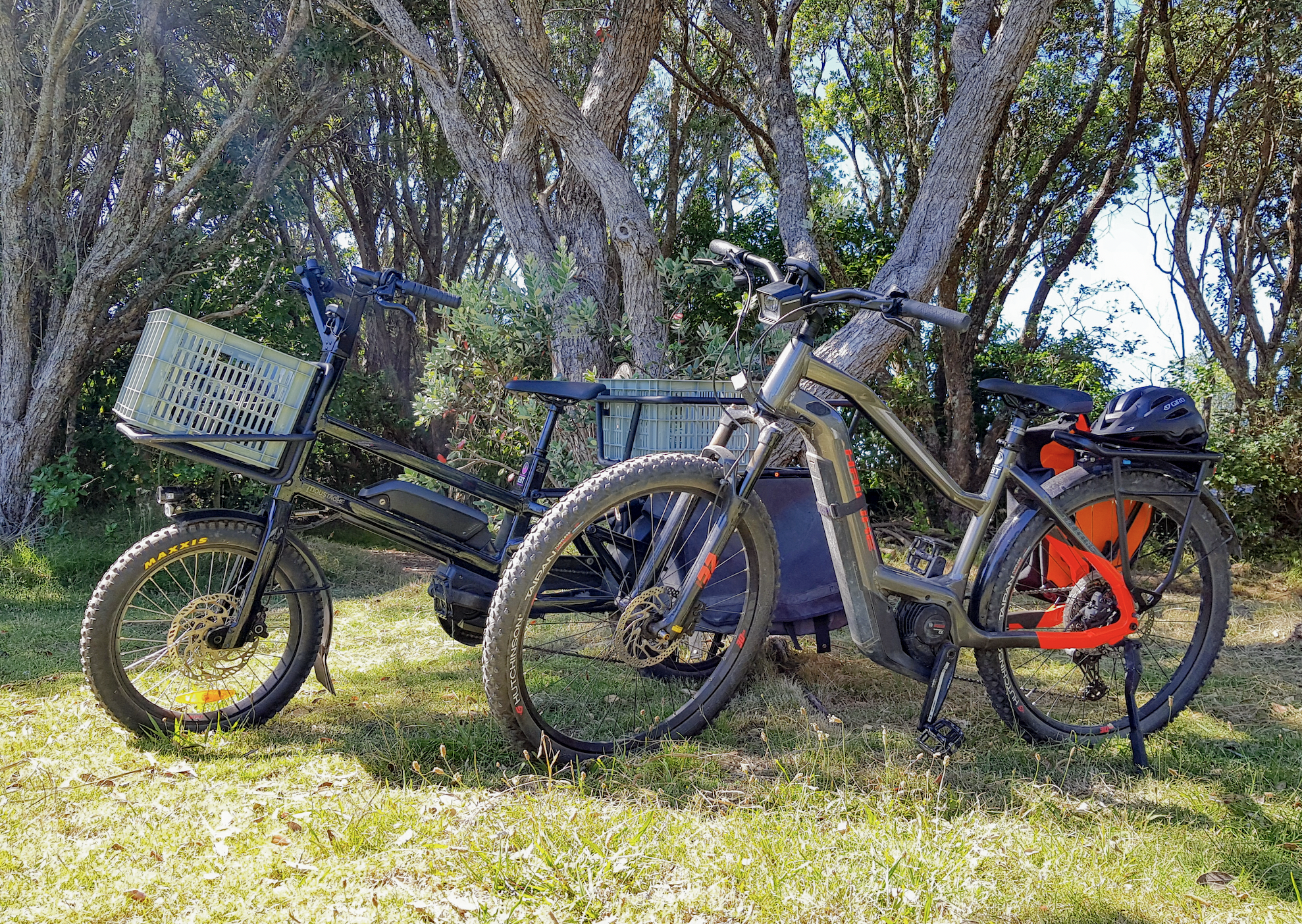
E-Bikes and Solar Power: How DOC and Volunteers Are Cutting Carbon on Tiritiri MatangiPhoto credit: Janet PetricevichThe Department of Conservation (DOC) is taking meaningful steps toward a greener future, starting with two wheels and the sun. As part of its mission to reduce carbon emissions and model sustainable practices, DOC has added two electric bikes to the transport fleet on Tiritiri Matangi Island. One is a cargo e-bike, perfect for transporting gear and tools, while the other is a standard e-bike used by rangers and Supporters of Tiritiri Matangi (SoTM) volunteers to move around the island efficiently, no petrol required.. The e-bikes are powered by solar energy. Tiritiri Matangi Island is equipped with solar panels that generate electricity for island operations. That means these e-bikes are not only replacing vehicle trips but are being charged with 100% renewable energy. A Solar-Powered Island Tiritiri Matangi is no stranger to solar energy. The iconic Tiritiri Matangi lighthouse, New Zealand’s oldest operating lighthouse still in use, has been fully automated and solar-powered since 1990. Its solar panels charge batteries that power the lighthouse’s light assembly. In 2002, the original system was upgraded to a modern rotating beacon, further improving its reliability and efficiency. Together, the solar-powered lighthouse and electric bikes…
Fifty years since the translocation of kākāriki/ red-crowned parakeet
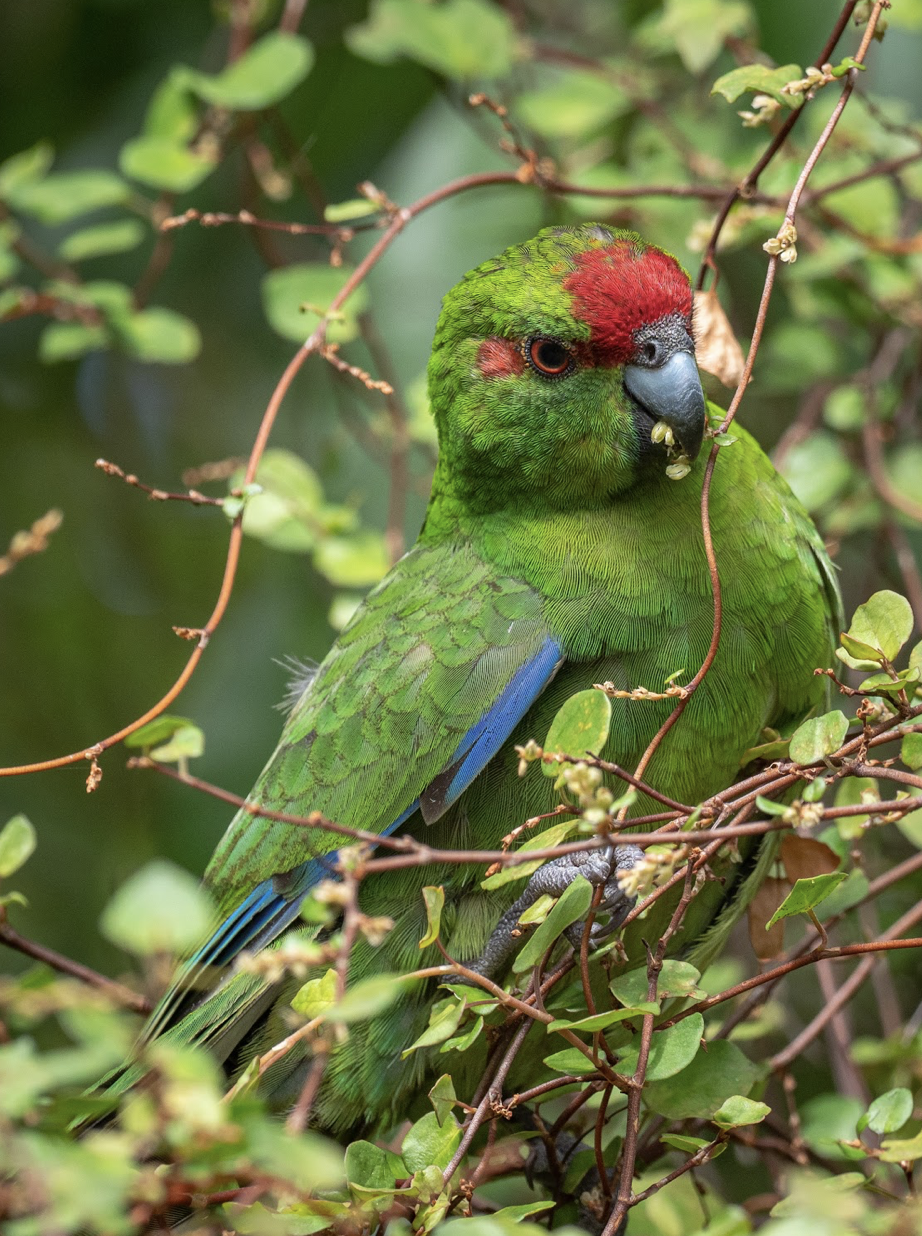
Fifty years since the translocation of kākāriki/ red-crowned parakeetAuthor: Dick Veitch New Zealand ecologist and ornithologistFrom the Supporters of Tiritiri Matangi Archives: Dawn Chorus, 138, August 2024Header photo credit: Geoff BealsTo celebrate this milestone, we asked Dick Veitch, who was involved in the translocation, to share his memories of that time. Visitors to this island haven have now seen kākāriki as they surely were over mainland New Zealand before the arrival of humans and their accompanying pests. On Te Hauturu-o-Toi / Little Barrier Island, kākāriki survived with cats and kiore as predators. On the Hen and Chicken Islands, they survived with only kiore as a predator. On Macauley Island, they survived with goats and kiore and no trees, but on nearby forested Raoul Island, they were eradicated by a combination of goats, cats, and two rat species. When the goats were eradicated, kākāriki were again present in the forest, but we doubt that they were breeding. When the cats and rats were also removed, kākāriki were again abundant birds in the forest. Like so many of our birds, kākāriki have two basic needs to overcome when faced with predation and competition: food and nesting. One of their preferred feeding habits is to scavenge for fallen seeds among the leaf litter. In this, they compete with kiore, who also scavenge for…
Mammals (Part 3): Mammals in Pre-Human New Zealand
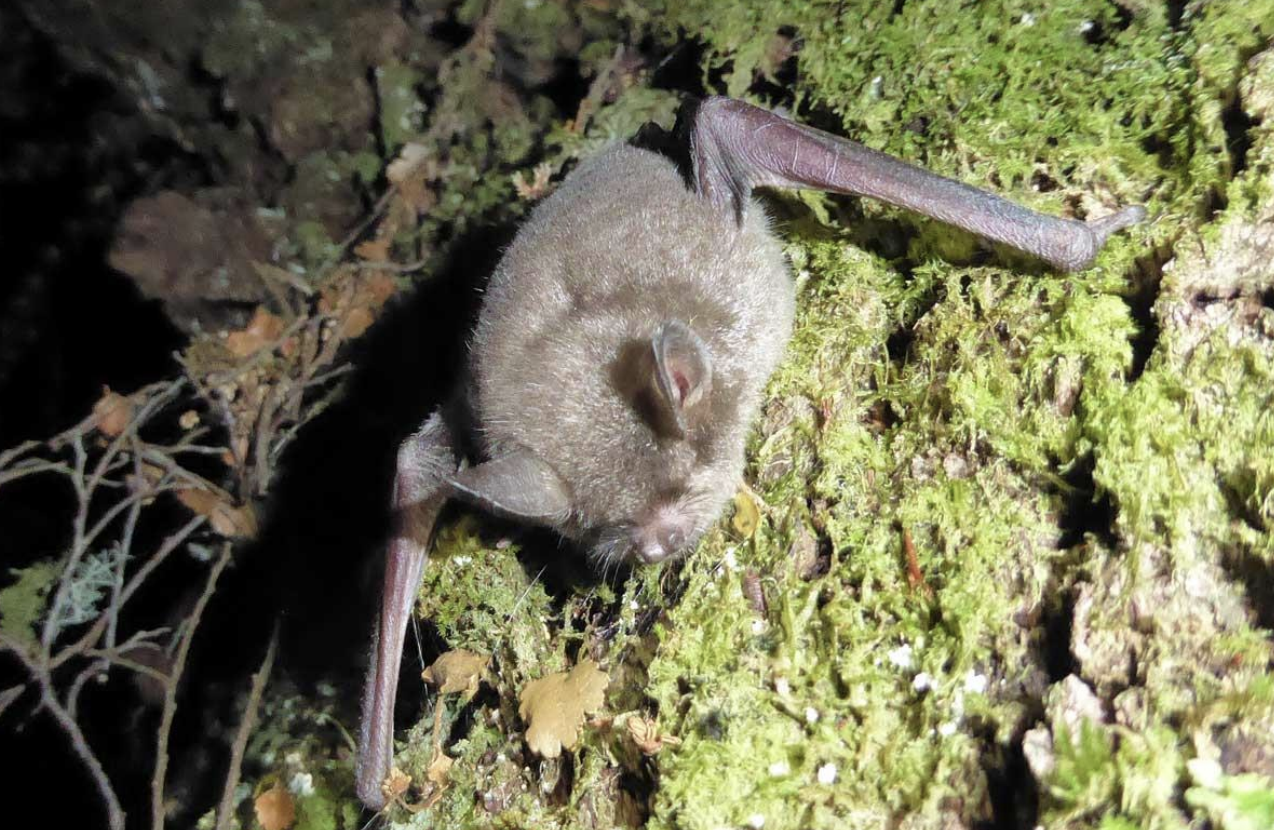
Mammals (Part 3): Mammals in Pre-Human New ZealandAuthor: Malcolm Pullan, Volunteer GuideIf you’re a New Zealander you will “know” that prior to the arrival of humans there were no mammals in New Zealand apart from bats. “Knowing” this is part of the DNA of being a New Zealander, like knowing that kiwi don’t fly and the All Blacks play rugby. However, if you had no connection with New Zealand whatsoever, and just so happened to have read Parts 1 and 2 of this series of articles on mammals, you wouldn’t be expecting that answer at all. You would be expecting me to say there are, or at least, were mammals in New Zealand (apart from bats) prior to the arrival of humans. And you would be perfectly right—and most New Zealanders perfectly wrong. New Zealand did indeed have mammals (other than bats) prior to the arrival of humans. You don’t believe me? Not even if I say it with a smile? Let me try and convince you in other ways then… Let’s summarise where we got to in the previous articles. Once upon a time New Zealand was joined to Australia and Antarctica. New Zealand began to separate from Australia/Antarctica about 105 MYA (million years ago) and continued to do so until sea completely separated them about 80 MYA, with the gap increasing substantially over the next 20+ million years. Globally, mammals evolved about 205 to 210 MYA. Mammals have been in…
Mammals (Part 2): Evolution of Mammals
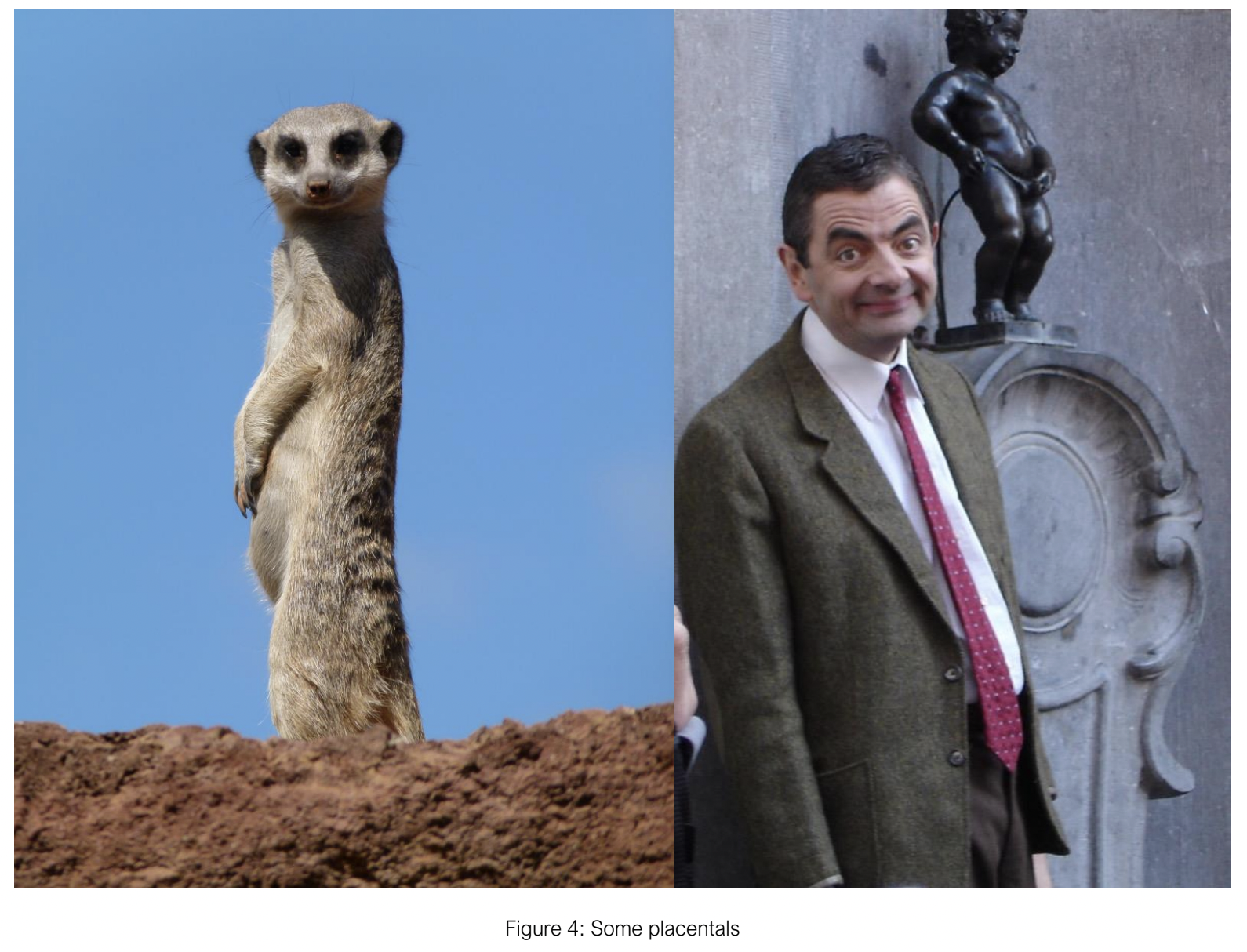
Mammals (Part 2): Evolution of MammalsAuthor: Malcolm Pullan, volunteer guideDate: October 2024According to a very unscientific survey carried out by examining my gut feeling, many people can answer the question, “When did mammals first appear?” Further similar unscientific analysis reveals that most of these answers will be something like, “About 60 MYA (million years ago), when dinosaurs became extinct”. Unfortunately, this common answer is incorrect (in fact, it’s not even true either…). The purpose of this article is to put the record straight—and to give a little evolutionary history of mammals as whole, concluding with a little look at the evolutionary history of Australian mammals. The story of New Zealand mammals will follow on from this in final part of this series of articles. Before beginning the discussion, I should warn you that the evolutionary history of mammals is an ever-changing minefield. There are controversies over dating and controversies of definitions and names of different groups of mammals, on top of which new information is popping up all the time to throw spanners in the works. Rather than trying to weigh up the recent academic literature myself (which is never really wise for a layperson), in what follows I will leave it to the experts (i.e. a well-respected and recent university-level textbook (1)). With that proviso in…