Tiritiri Matangi: a perfect fit for United Nations environment programme
Tiritiri Matangi: a perfect fit for United Nations environment programmeAuthor: Mel Galbraith (From the Dawn Chorus Archives, 130 August 2022)Date: August 2022Ecological restoration on Tiritiri was well ahead of its time. It has taken initiatives such as the sanctuary to encourage a global declaration that is now being internationally recognised, explains Mel Galbraith. Twelve hours after we collectively chorused Auld Lang Syne to welcome in the 1st January 2021, the United Nations launched a “Decade on Ecosystem Restoration” 2021-2030. Not that you would have noticed; there were no fanfares and I doubt if any of the local firework displays were in recognition of this cause. No doubt the global pandemic was occupying the headlines at the time. And, even as we edge back towards a new more stable “norm”, it is still unlikely that the UN initiative will demand much media recognition. Such is the nature of (positive) environmental news. The UN Decade on Ecosystem Restoration 2021-2030 explicitly calls for … Preventing, halting and reversing the degradation of ecosystems worldwide: “The over-arching vision for the UN Decade is a world where – for the health and wellbeing of all life on Earth and that of future generations – the relationship between humans and nature has been restored, where the area of healthy ecosystems is increasing, and where…
The translocation of miromiro to Tiritiri Matangi
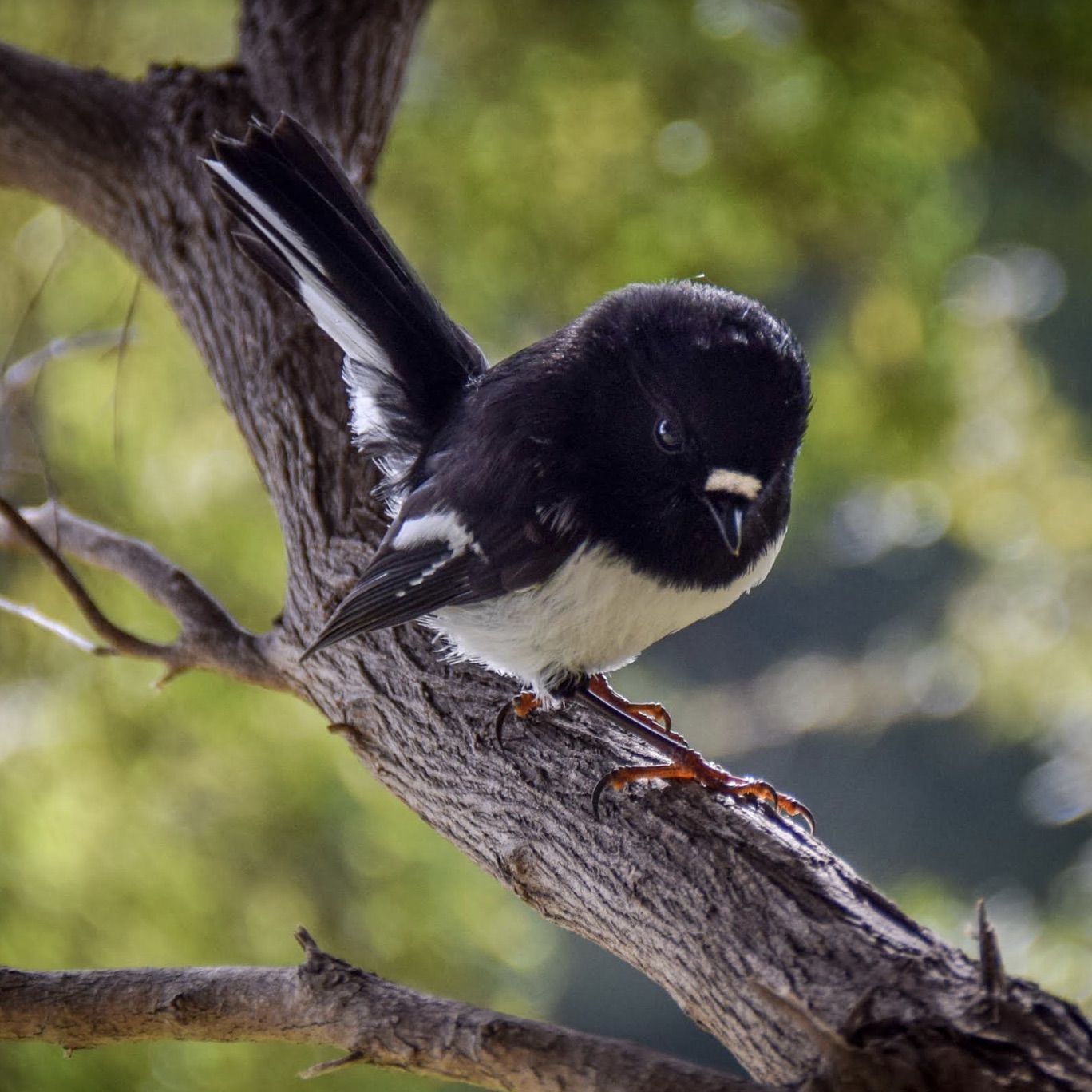
Translocation of Miromiro to Tiritiri Matangi April 2004Author:Barbara HughesDate:January 2023Photo credit: Barbara Hughes Over two days in early April 2004, four catching teams in the Hunua Ranges Auckland Council Regional Park area caught 32 miromiro/North Island tomtits, Petroica macrocephala toitoi, for transfer to Tiritiri Matangi. All birds were weighed, banded, individually boxed, and then transported by car to the Helitranz base at Albany from which they were flown by helicopter out to the motu. This was the culmination of over a year of study in the field and many hours habituating the birds with meal worms by a team of Tiritiri Matangi Supporter helpers, and a Massey University international student; co-ordinated by myself. The translocation was overseen by DOC manager Richard Griffiths. The scientific support, advice and capture specialists were Dr Tim Lovegrove (ARC Heritage Department scientist) and Dr Kevin Parker (Reintroduction Biologist). Supporters of Tiritiri Matangi for the study and translocation costings had the financial benefit of Barbara being on a fully funded Royal Society Teacher Fellowship year to carry out the programme. Follow-up monitoring was carried out after the translocation and occasional authentic sightings of banded birds continued up to March 2006. There was no evidence of breeding pairs and the possibility of a…
Titipounamu / Rifleman Survey
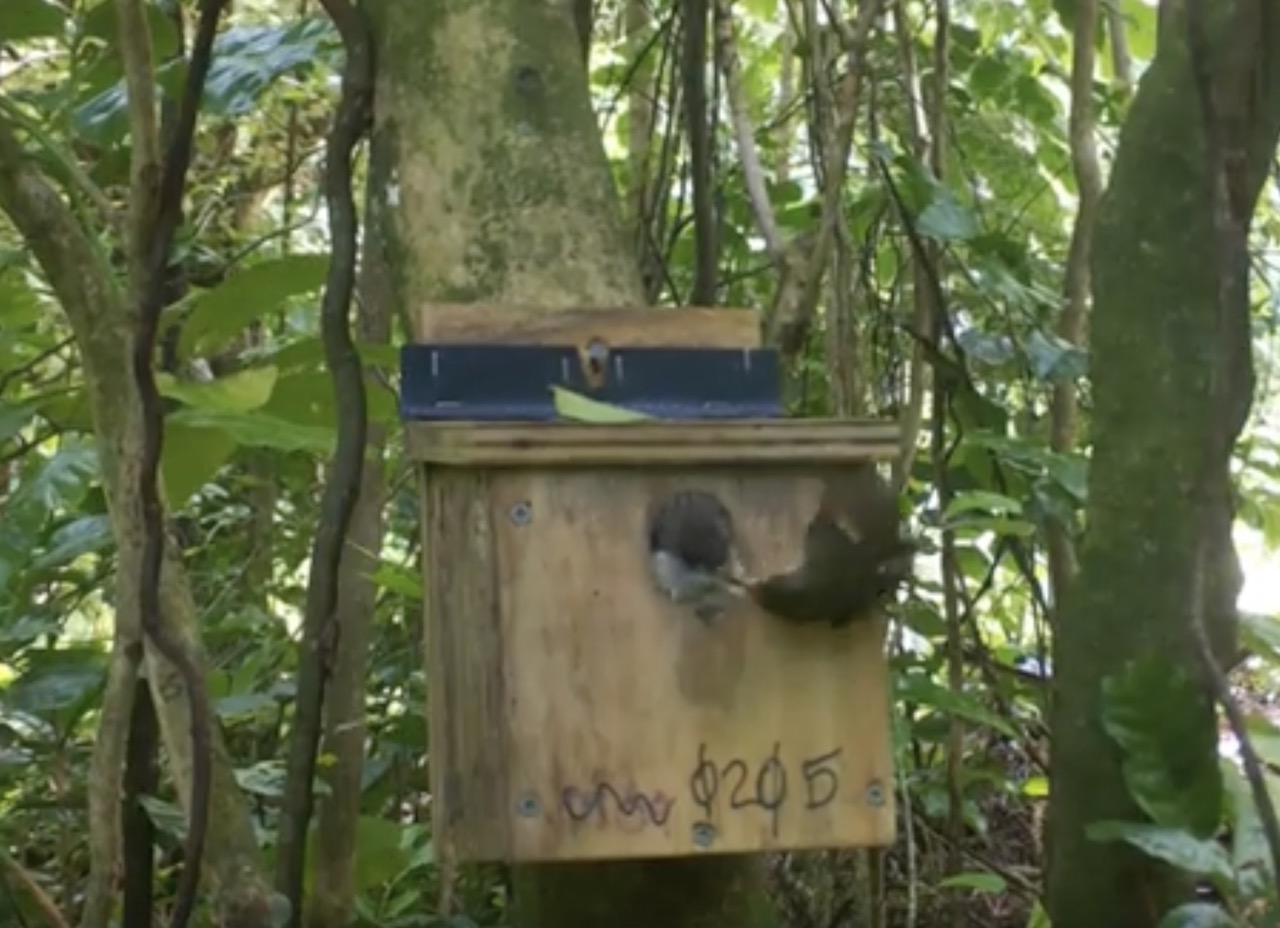
Titipounamu / Rifleman SurveyAuthor: Janet Petricevich shares an update, with input from Simon Fordham.(Article taken and reduced from the recent Dawn Chorus magazine)Date: December 2023Tiritiri Matangi Island is a scientific reserve as defined in the Reserves Act 1977. Section 21 of the Act states that ‘The principal purpose of these reserves is the protection and preservation in perpetuity of areas for scientific study, research, education, and the benefit of the country.’ One of these activities is the titipounamu (rifleman) survey which begins in late August or early September and continues to around the end of January. The purpose of this survey is the long-term collection of data about the titipounamu population on the Island. Through this survey, Simon Fordham, with help from his wife Morag and other volunteers, has been collecting data about the longevity and dispersal of these birds. During the initial survey, a team of volunteers walked both the public and research tracks over the Island, listening for the titipounamu’s high-pitched calls. All sightings of the birds are recorded, along with any information about the sighting, e.g. location, number of birds seen and their gender(s), whether they were banded, and any band combinations identified. If weather conditions allow, mist-netting may also take place. This generally targets un-banded…
Alien chick in the bush: Diary of a Swiss girl who settled on Tiritiri Matangi for two months
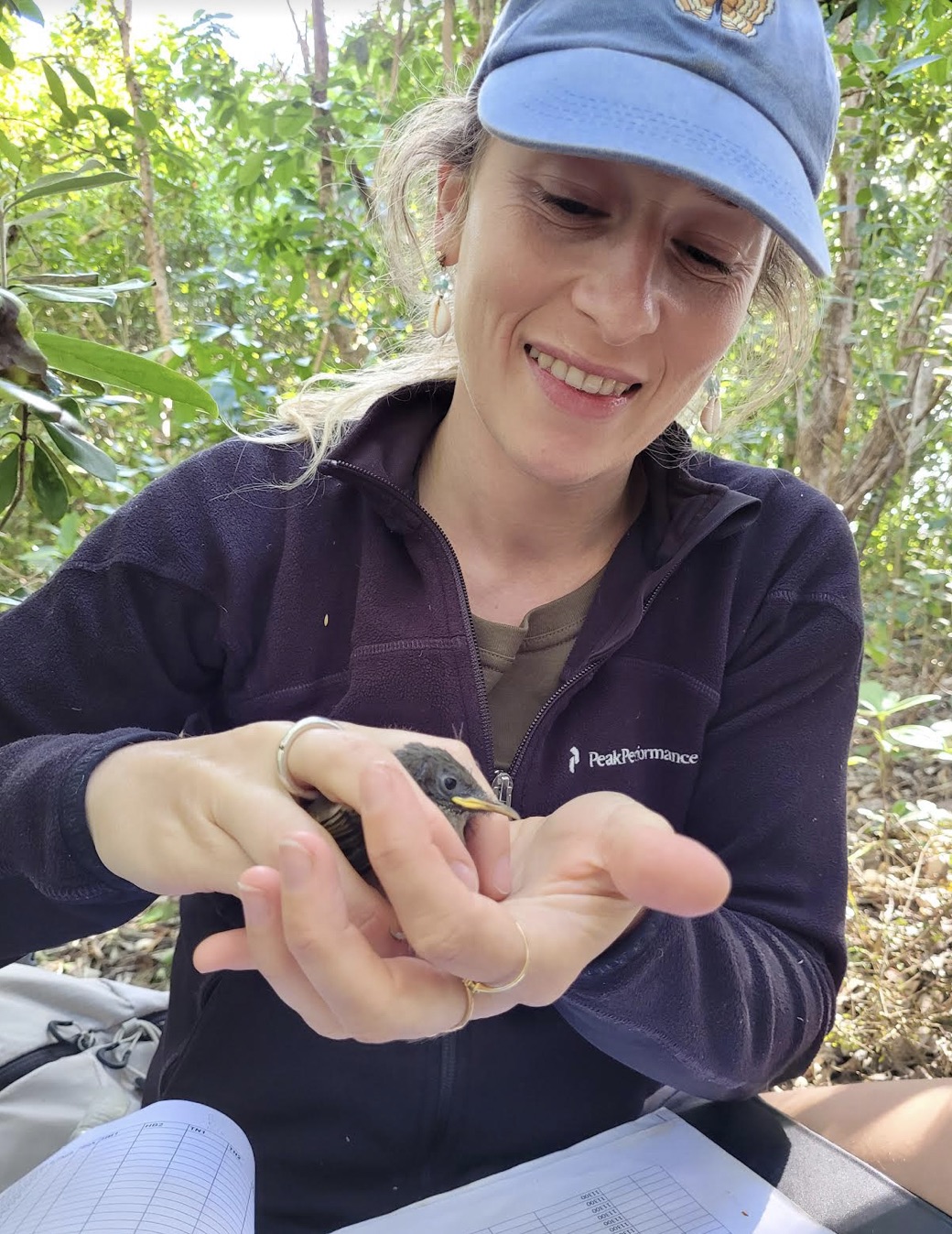
Alien chick in the bush: Diary of a Swiss girl who settled on Tiritiri Matangi for two monthsAuthor: Maude VernetDate: December 2023Imagine this – what if one day someone told you that you would get the opportunity to travel 18,456 km to a small island lost in the pacific, to uncover multiple bird species that most people on the planet, even those living nearby, have never seen? And what if you could get the opportunity to work with a specific species, the hihi – a cute little bird fiercely fighting extinction, to observe their behaviour daily, while gathering a massive amount of field experience? My response to this proposition was a resounding yes. A few weeks later, I found myself on a plane, ready to explore Tiritiri Matangi and delve into the world of hihi. And the least I could say is that Tiritiri Matangi did not disappoint. I remember my first few days on the island, following Emma (who is the official hihi herder on Tiritiri Matangi) around and trying to keep up with the shower of new information pouring onto my overheated brain. The list of discoveries was extensive, from the bunkhouse, the kitchen dance, and the occasional snoring roommate; to the recipe for sugar, the feeding of hihi and opportunistic korimako (under the watchful eyes of tūīs guarding the feeders) and the hungry impatient takahē following us to their feeder. I…
Mātātā/ fernbird calling and displaying on Tiritiri Matangi
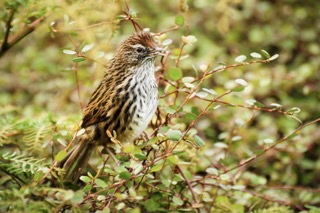
Mātātā/ fernbird calling and displaying on Tiritiri MatangiTaken from the SoTM archives, Dawn Chorus 46. The original article was written by Carl Hayson.Date: November 2023Photo credit: Sarah WellsThirteen mātātā were translocated in June 2001 to rescue them from the path of the new Northern Motorway. Although a transfer was scheduled later that year, scrub clearance for the motorway began suddenly in June. Kevin Parker, a graduate of Auckland University, organized the rescue transfer. The Department of Conservation promptly processed the transfer permit, and Ngati Poa Kaumatua granted their blessing. Handling stress is a significant concern when transferring any new species, and it was unknown how mātātā would respond. Therefore, it was decided that helicopters should be used to transfer birds when the ferry was unavailable. The mātātā is a fascinating bird that can be found in areas of scrub and swamp. Its long tail feathers, which get worn and frayed like the leaves of a fern, have earned it the nickname “fernbird”. With longitudinal brown streaks on its upper body and a white underbelly with brownish-black spots, the mātātā is a beautiful bird to behold. Interestingly, the mātātā is not a strong flyer and has a labored flight with rapid wing beats and a trailing tail. However, it thrives in dense vegetation, which can be found in…
A day in the life of the hihi team (October Edition)
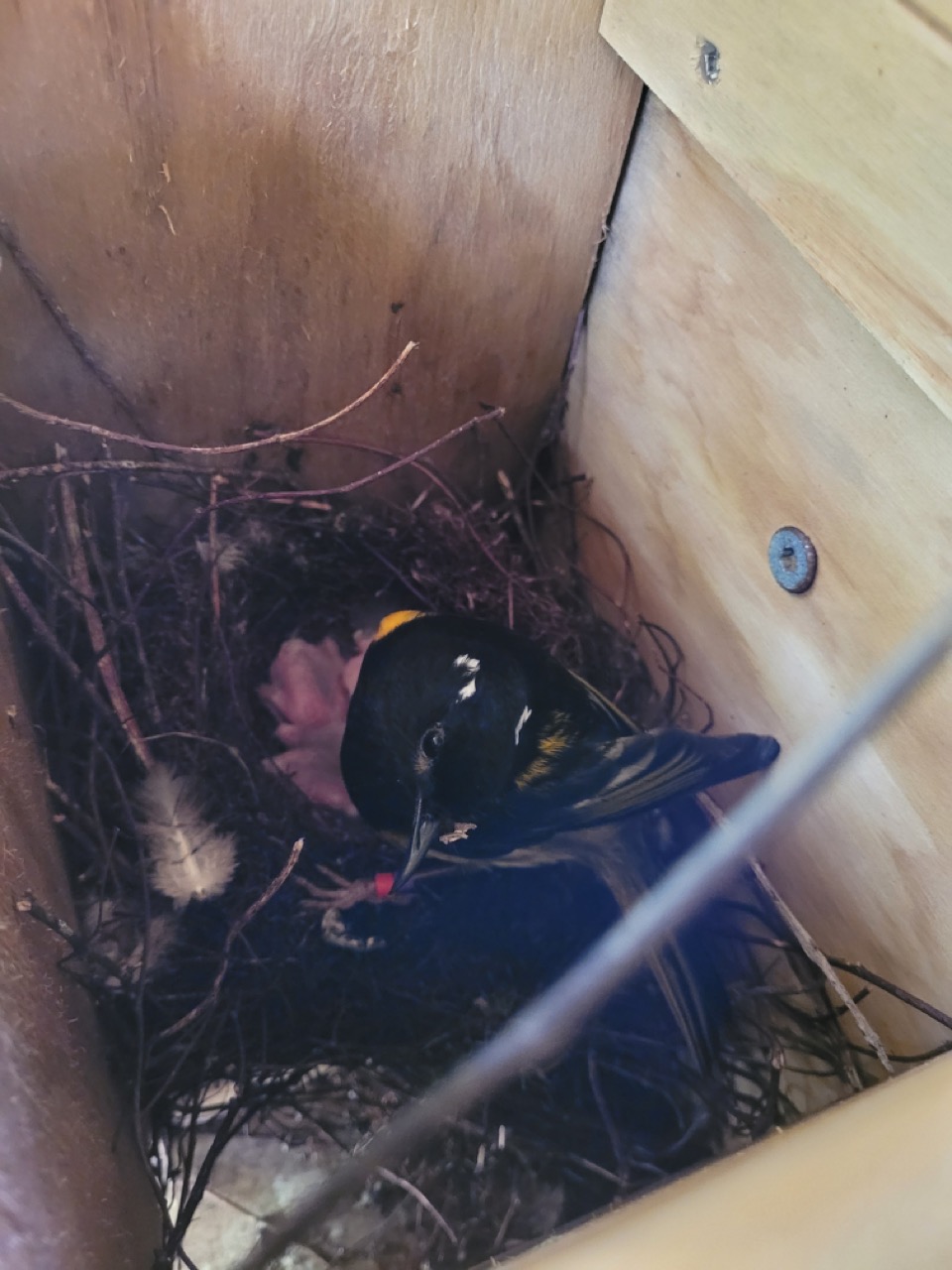
A day in the life of the hihi team (October Edition)Author: Emma GrayDate: 2nd November 2023Photos and video taken by Emma GrayOur hihi team has settled into its semi-permanent form as our hihi intern Maude joins us for 2 months from Switzerland. Other hihi sites often have students from the UK, USA and across Europe conducting research or interning for fieldwork experience. Hihi continue to influence and inspire people across the globe as a model species for conservation and adaptive management. Adaptive management is the process of changing species management according to their needs based on both monitoring and research to increase species’ condition and survival. One example of adaptive management for hihi on Tiri is the provision of sugar water. Other supplementary foods have been trialled, however, those trial food diets paled in comparison to the provision of sugar water. Sugar water acts as supplementary nectar when natural food is not available, and has also been found to boost reproductive success and help our hihi babies grow big and strong. Speaking of hihi babies, our first wave of hihi babies has started to hatch. The females seem to be incubating the eggs a little longer than the expected 14 days, likely due to the ambient temperature. As long as the eggs hatch at all, that’s all I ask for. The rest of the females seem to…
The largest centipede in New Zealand
The largest centipede in New ZealandAuthor: Jonathan MowerDate: 17th October 2023
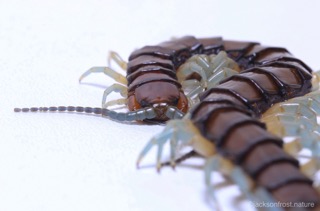
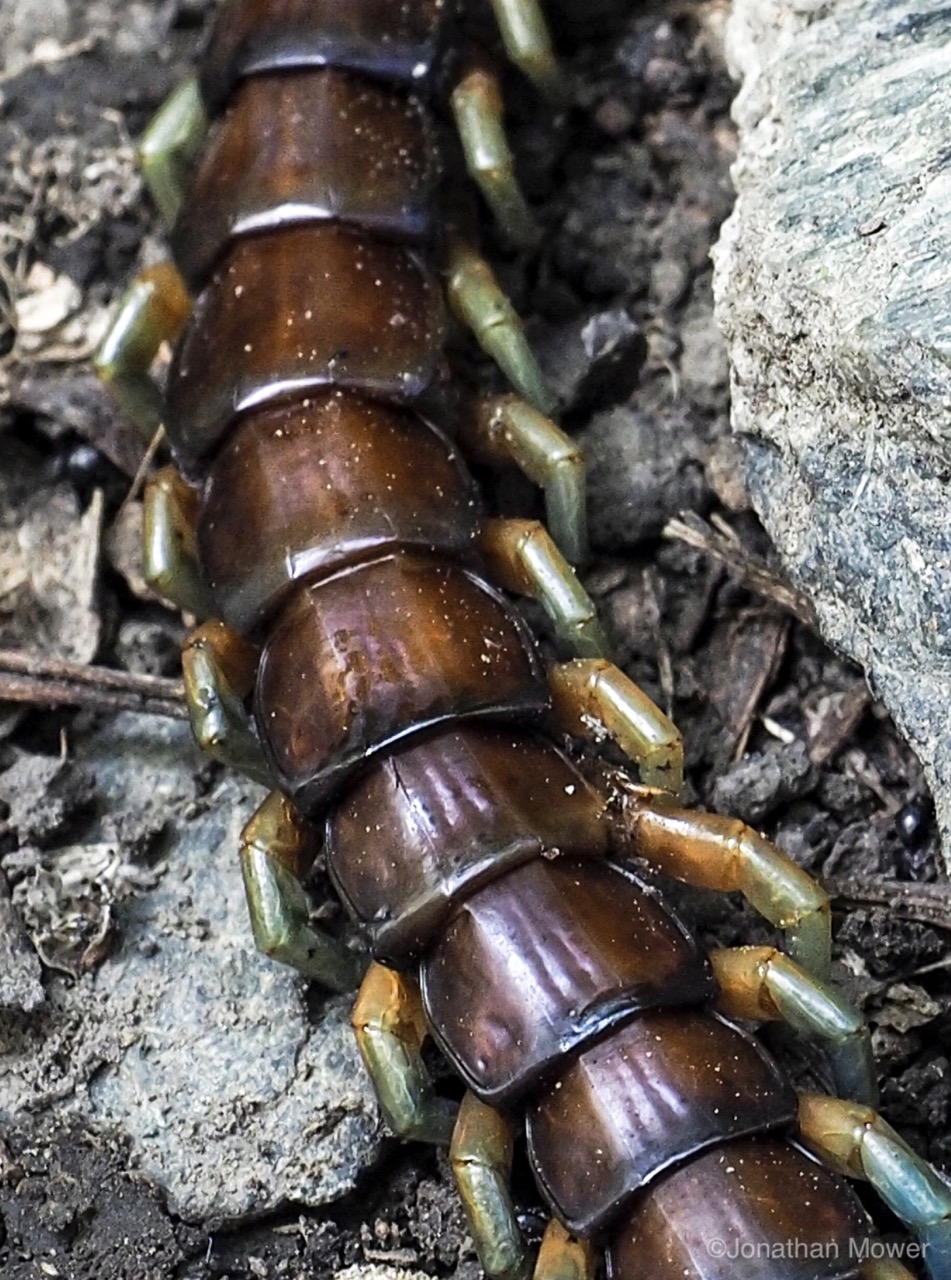
Staying overnight in the Tiritiri Matangi bunkhouse is guaranteed to give you unexpected moments but finding a large (15-20cm) hura/giant centipede (Cormalocephalus rubriceps) in the tea towel drawer, as Jackson Frost recently did, is elevating unexpected to another level.
Native to New Zealand and Australia, this is the largest centipede in New Zealand. Present in North Island and smaller offshore islands, they are usually found beneath rotting logs, stones, and decaying vegetation.
The giant centipede belongs to an order known as Scolopendrida, a group that includes the largest and most fearsome centipede species, all of whom have 21 pairs of legs (1 pair per body segment). Centipedes always have an odd number of pairs of legs, and despite their name, none of the centipede orders actually have 100 legs.

The very first stint back on the island is a new level of busy
The very first stint back on the island is a new level of busyAuthor: Emma GrayDate: 28th September 2023Header image: John SibleyThe very first stint back on the island is a new level of busy. I always think I’m ready with my island feet until I fall over for the first time and bring myself back down to earth. The hihi team is very small at the moment as we perform our pre-breeding season tasks including the survey, sugar feeding handover from the rangers, and a lot of cleaning. The pre-breeding survey entails 40 hours spent walking all the tracks and bush patches on the island, including spending time at the sugar feeders in both the morning and afternoon to see which adults are still alive and which juveniles from the previous season have made it through their first winter. Hihi juveniles have a 40% survival rate through the first winter, which we know due to our annual mark-recapture surveys. Mark recapture in the case of the hihi means banding all individuals with a unique band combination, most likely banded as chicks in the nest, and recording the individuals, their sex (in case we got it wrong) and their location/potential territory for the upcoming season. The sugar water consumption is highest on Tiritiri Matangi Island during the winter (thank you to the island rangers who keep these hungry birds fed daily) unlike other hihi sites. This is due…
From planting some of the first trees to using them for shade from the sun
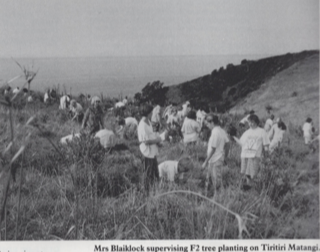
From planting some of the first trees to using them for shade from the sunAuthors: Students from St Cuthbert's Year 7Date: Thursday 21st September 2023Header image credit: Martin Sanders“Today St Cuthberts Year 7 visited Tiritiri Matangi. When we arrived, we admired the crystal clear water and the beautiful greenery that surrounded the island. As we were guided around the Island by the kind guides, we experienced all the beautiful songs of the birds. We learnt so much about all the different kinds and species of birds, trees, plants and so much about the history of the Island. It was very inspiring to know that our school was part of restoring this beautiful Island. We had so much fun learning about all the cool facts our guide taught us. Our favourite fact was that some wētās, if they land on your hand, it feels the same as when your fingernails dig into your palm. Thank you so much for having us, we loved the experience.” Chloe and Lucy “Our trip to Tiritiri Matangi was spectacular! We learnt various facts about the wildlife there, all sorts of birds and most importantly we learnt about the inspiring history of the Island. Many people used to come to Tiritiri Matangi to plant trees and help make it the beautiful Island you see today. If you do something good, people will remember you! The Island of Tiritiri Matangi is invasive…
Two men and a baby
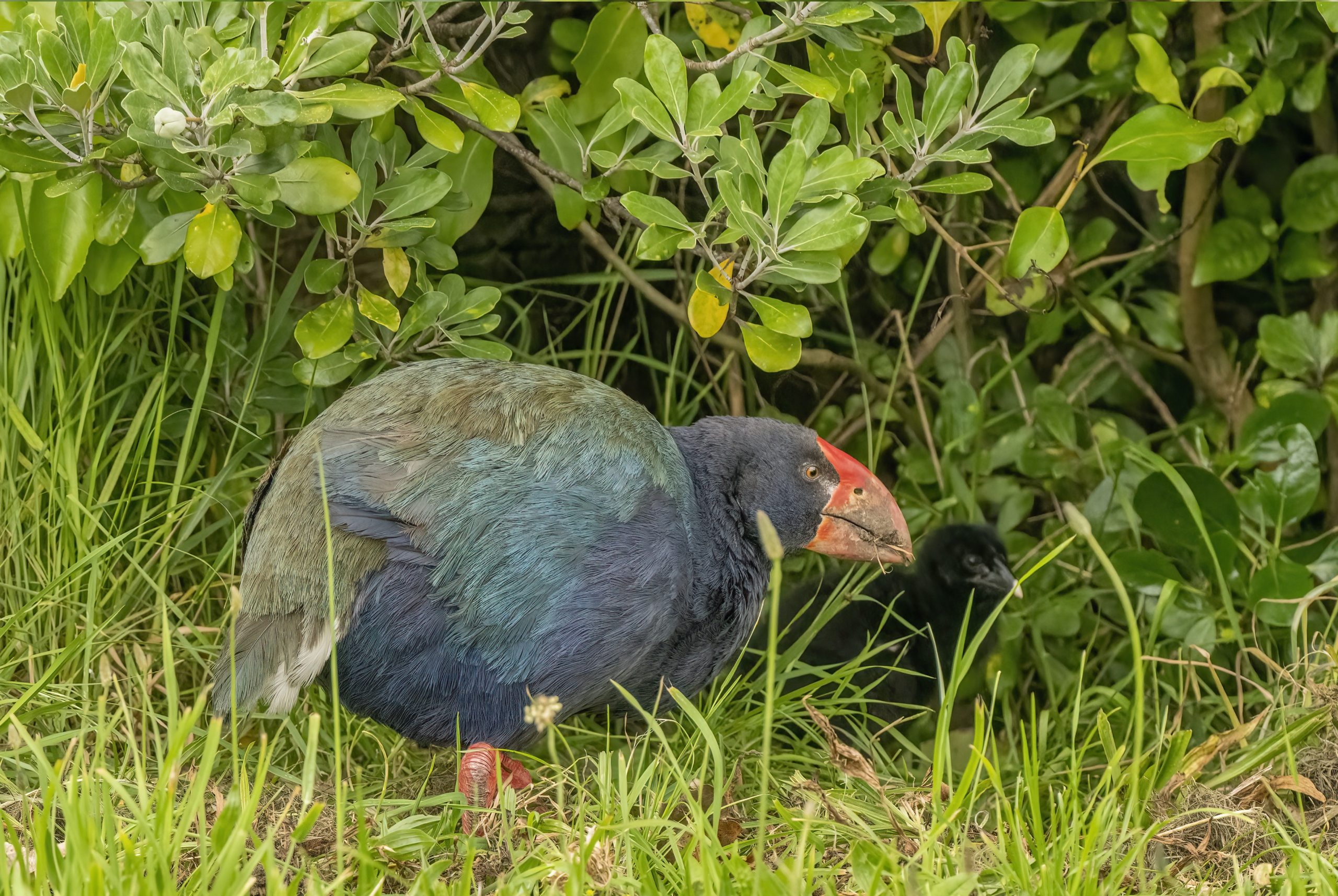
Two men and a babyAuthor: Story shared by Vic Hunter and text taken from SoTM Dawn Chorus Bulletin No.10 May 1992Date: August 2023In January 1992, Stormy and Mr. Blue, two male takahē, successfully raised a chick. It was not unusual for male takahē to share in nest building and incubation, so it was no surprise when they showed a desire to incubate a ‘dummy egg’. Their readiness to incubate prompted DOC to find a real egg for them. A ‘spare egg’ became available when a pair on Maud Island in the Marlborough Sounds produced a clutch of two eggs. The DOC staff ferried the takahē egg by boat off Maud Island while Ray Walter was flying to Blenheim by chartered aircraft. The incubator was exchanged in a brief encounter on the tarmac at Blenheim airport, and the precious cargo was soon on its way north to another airport. Tony Monk was waiting at Ardmore with his helicopter to complete the final leg of the journey, and by mid-afternoon, the egg was safely transplanted snugly under its foster parents. It was a successful operation. It’s amazing to think that Matangi is the first takehē to hatch in this part of the country in centuries! Four days after the egg was transplanted, Matangi emerged from its shell. Ray, Barbara Walter and Vic Hunter were so diligent in caring for the chick that it even survived a potentially deadly…