Tiritiri Through Their Eyes: Volunteer Voices - Jonathan
Tiritiri Through Their Eyes: Volunteer Voices - Jonathan
Questions answered by Jonathan Mower, volunteerPhoto credits: Jonathan Mower
- What’s your favourite conservation success story from Tiritiri Matangi?
The unplanned, but very successful, introduction of mātātā. It wasn’t planned, the population was discovered completely by accident, and the Supporters were informed afterwards. I believe the construction company funded the translocation. - Which species do you think visitors most often overlook, but are actually really important to the ecosystem here?
Pōhuehue (Muehlenbeckia) is hugely important. Many people see it as a scrambling mess, but it provides essential habitat for mātātā and reptiles, and it’s the host plant for copper butterflies. It also provides food for a range of species; its flowers and berries are eaten by kākāriki and many others. - Can you tell me about a moment that really moved you while guiding here?
Being told by a very young student that when she grows up, she wants to be a guide on Tiritiri Matangi. - How do the birds on Tiritiri Matangi behave differently from those on the mainland?
They’re less wary of people and more comfortable being on the ground. You’ll notice a greater diversity of forest bird species here, although there are fewer shorebird species compared to mainland ecosystems. And they sing a lot more! - What’s a fun or surprising fact most people don’t know about Tiritiri?
Pūriri moths live in a wide range of tree species, not just in pūriri trees. - What inspired you to become a guide/volunteer on Tiritiri, and what do you love most about it?
I was encouraged by a long-time guide and a ranger from another island. What I love most is sharing this special place. - What do you think the biggest challenge for Tiritiri’s future is?
Sustaining the project with limited funding and the loss of many experienced guides. - What would you say to someone thinking about becoming a volunteer here?
Volunteering here offers a learning curve as steep as you want it to be. You’ll meet people from around the world, many of whom are kindred spirits. A lot of the volunteers have deep expertise in their fields and are generous with their time and knowledge. If you’re thinking about volunteering, go for it!
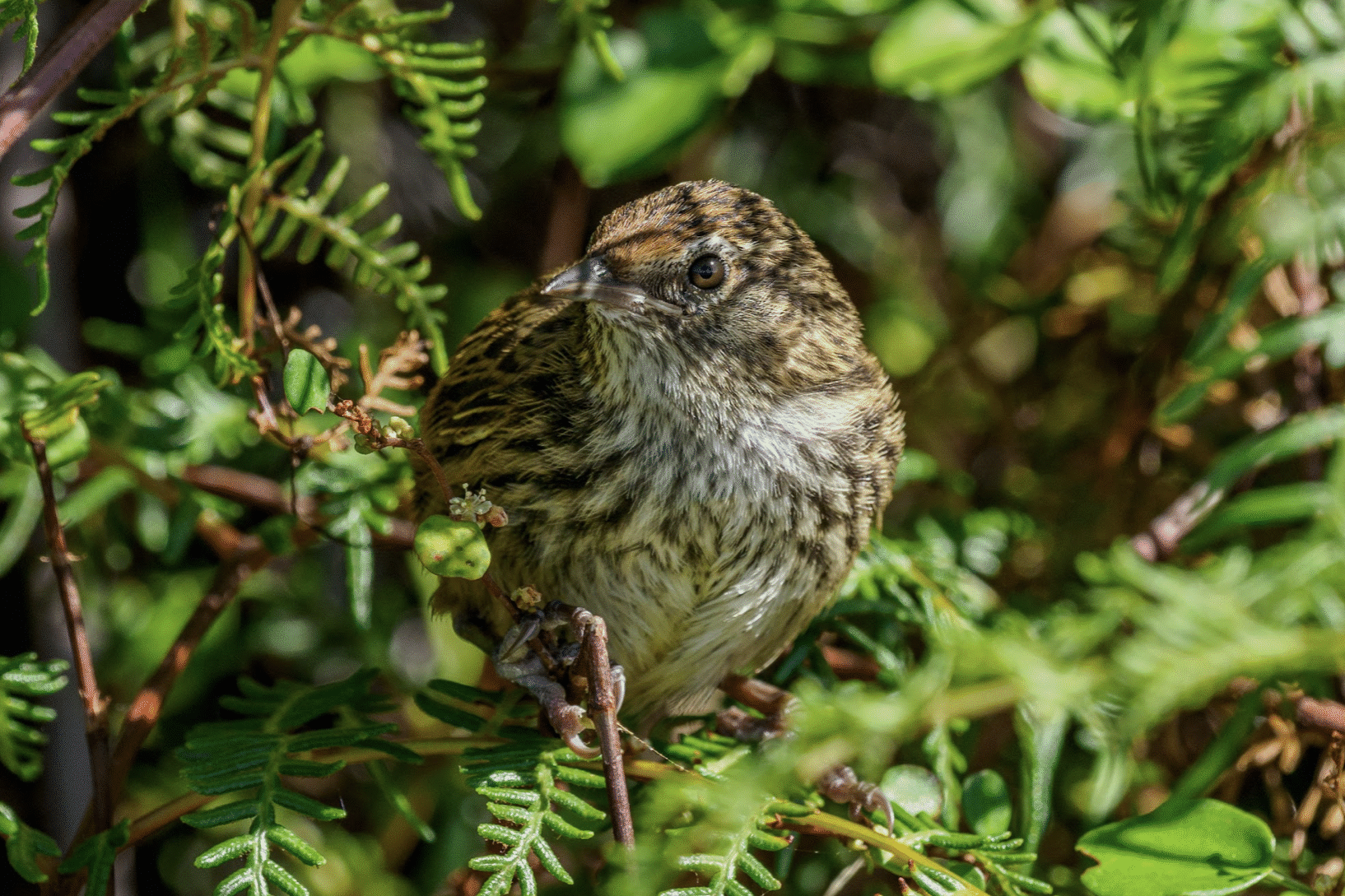
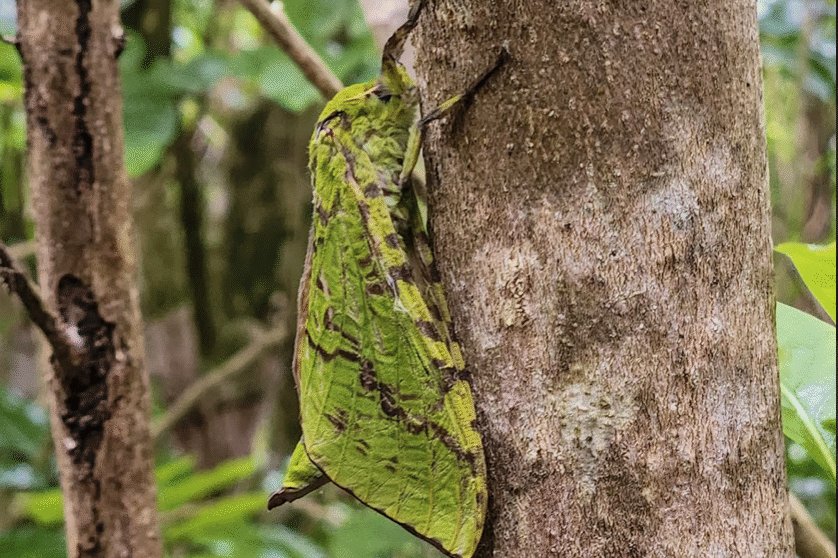

Left image: Mātātā/fernbirdMiddle: Pūriri MothRight: Pōhuehue/ muehlenbeckiaPhoto credits: Jonathan Mower
Select the image below to read past blog stories