The Story of the Lighthouse Cottages
Compiled by Stacey Balich using Tiritiri Matangi: A Model of Conservation and 150th anniversary of the Tiritiri lighthouse written by Anne Rimmer for the Supporters of Tiritiri Matangi IncPhoto credits from the SoTM Archives
In 1864, as Auckland’s busy port saw more and more steamships arriving, the New Zealand government commissioned a prefabricated cast-iron lighthouse from Simpson & Co in England. Packed into 279 crates weighing around 75 tonnes, the pieces were shipped across the world and hauled up Tiritiri Matangi’s steep hill by twelve bullocks. Over four months, crews dug three metres down for the foundations, then bolted the rectangular iron plates together like a giant Meccano set. On New Year’s Day 1865, the colza (rapeseed) oil lamp was lit for the first time. Within the hour, the Barque Meteor sighted the light from 26 miles away, a beacon visible even from Princes Street and Auckland’s windmill hilltops.
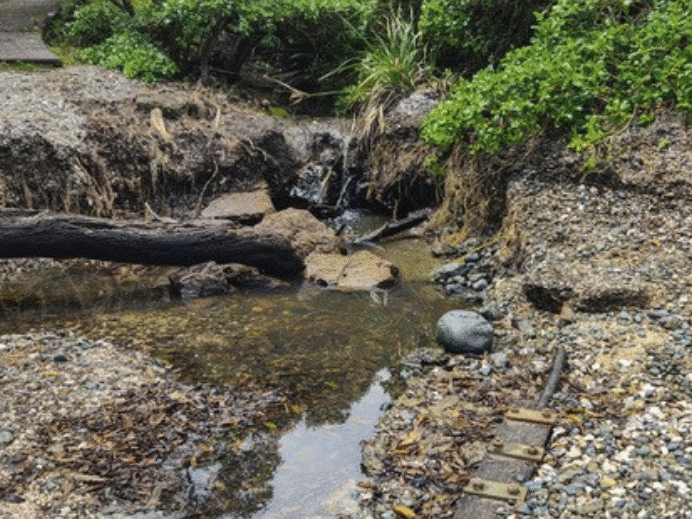
Before construction began on the tower itself, two small cottages were built to house the workers. These modest timber homes, made from weatherboards, corrugated iron, and nails hauled ashore by boat, looked north over the island. They later became the first lighthouse keepers’ cottages, with small fenced gardens, chicken coops, and water tanks close by.
By the early 1900s, the settlement began to grow. In 1908, the Auckland Harbour Board built a signal house on the hilltop so its signalmen could watch for incoming vessels and guide pilots to them near Rangitoto Island. Two houses were erected for the signalmen in 1912, including the elegant Chief Signalman’s House on the eastern cliffs, complete with a thriving flower garden. The assistant signalman’s home, known as “The Fourth House”, was a large, rambling five-bedroom structure relocated from Auckland’s Grey’s Avenue.
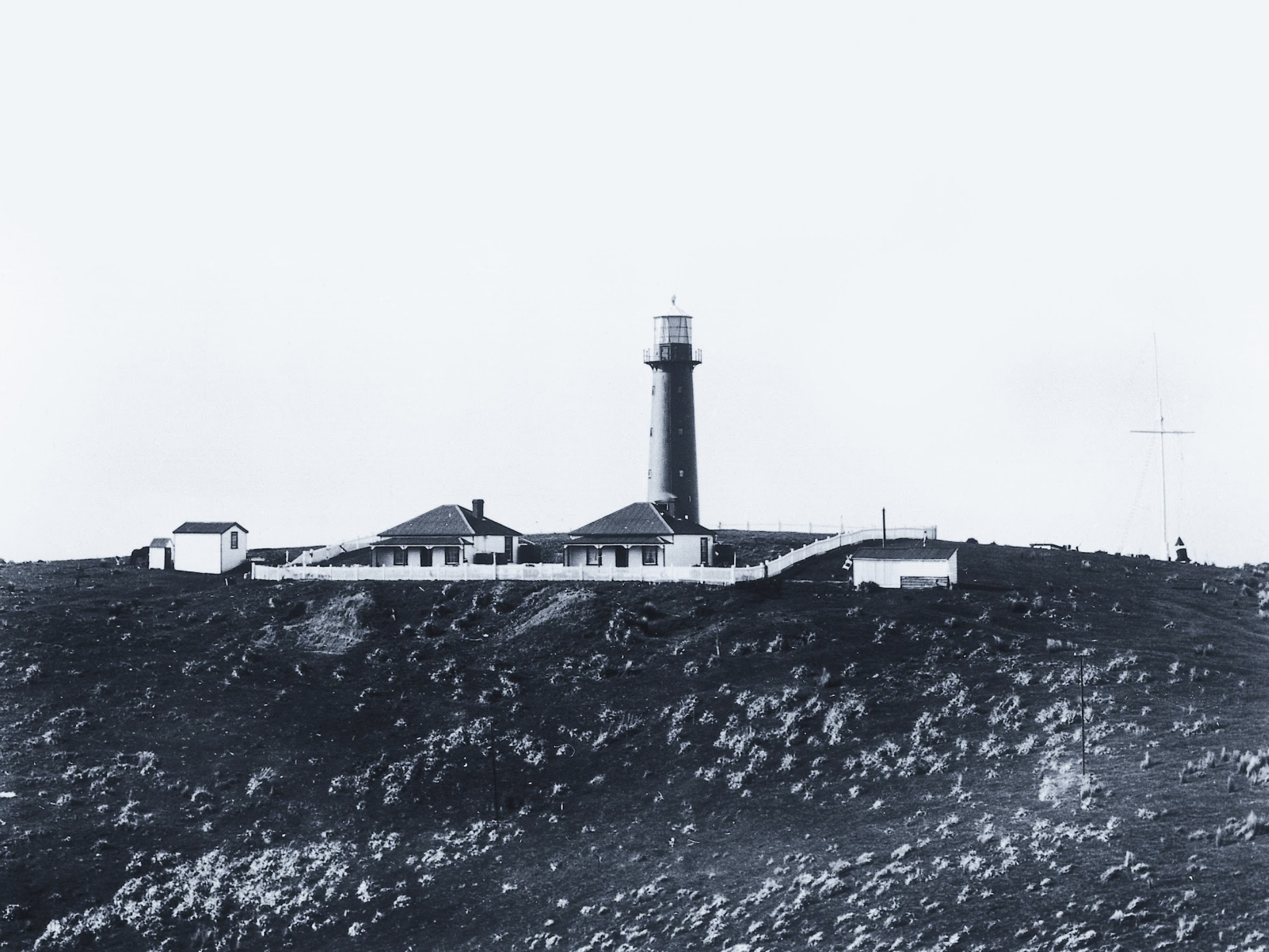
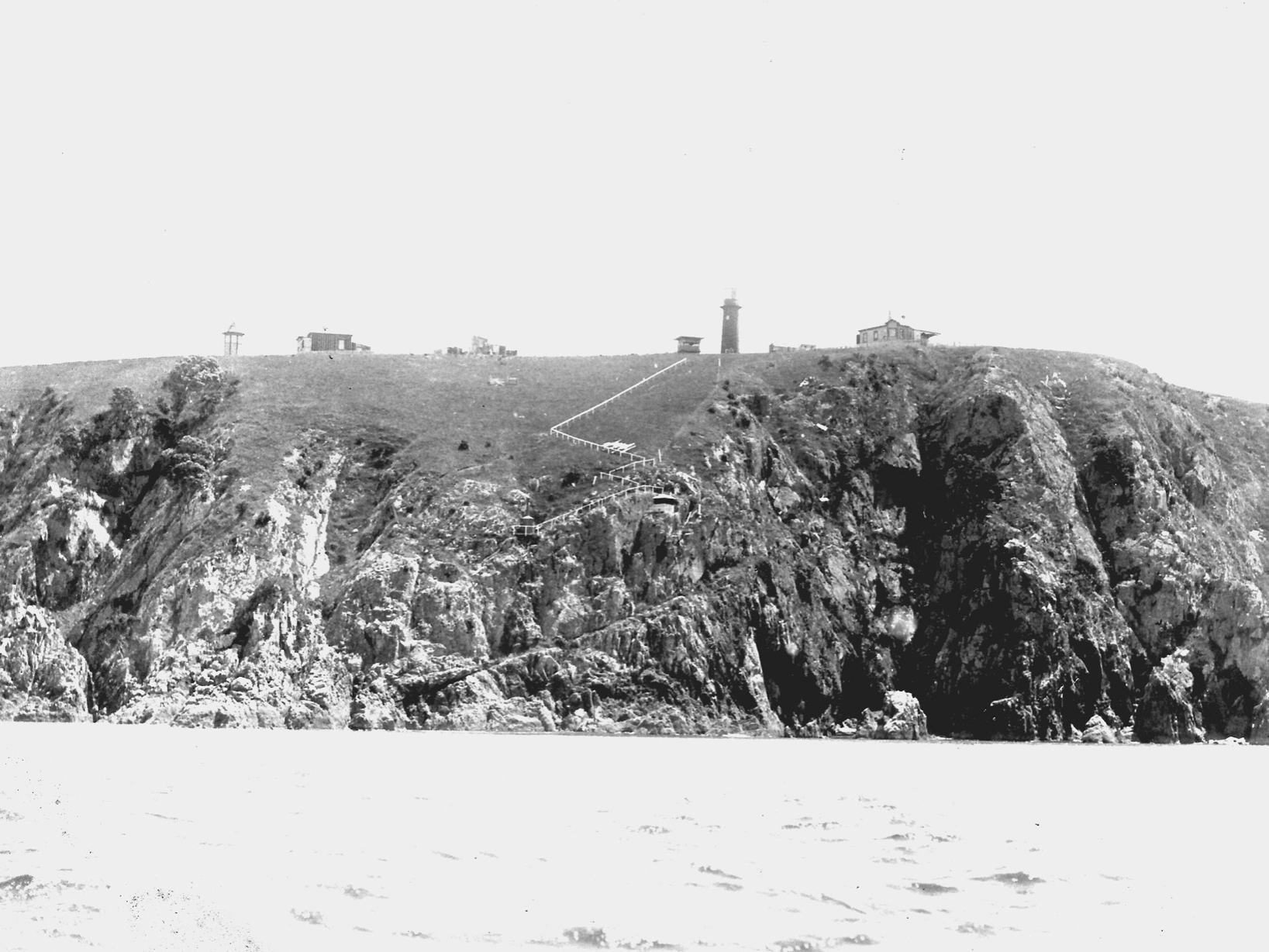
Left image: The Tiritiri Station in 1902 (Winkleman, Auckland)Right: East Cliffs c1921 (Breckon Head)
The original lighthouse cottages suffered under Tiritiri Matangi’s wild weather. By the First World War, they were in poor repair, and in 1918, two new homes were built to a Marine Department standard plan first used at Cape Brett. This building and the one below were the homes of the lighthouse keepers and their families. They were built around 1918 to replace the original dwellings. Over time, extra rooms have been added to make life more comfortable for the occupants. Life was tough for early lighthouse keepers. Tiritiri Matangi was an exposed and isolated spot. Keepers were expected to keep the cottages tidy and were urged to grow vegetables, keep stock and go fishing to supplement rations. Rules dictated that they were not to depart from the vicinity of the lighthouse except for leave, one week every six months.
These three-bedroom houses, with their half-verandas facing west, are still standing today, one now serving as the Department of Conservation ranger’s home, the other as the island’s bunkhouse for volunteers and visitors. Like all the island’s lighthouse buildings, they wear the iconic white walls and red roofs.
Life in the cottages was simple and sometimes rough. Up until the 1950s, kerosene lamps lit the rooms, cooking was done on coal-and-wood stoves, and outdoor toilets consisted of a wooden bench with a tin beneath it. There was never a shortage of kerosene tins, which were repurposed for everything from water containers to makeshift buckets. Telephones arrived in the 1920s but didn’t last, the underwater cable to the mainland broke and was never replaced.
Other outbuildings were built over time, sheds and workshops for maintaining the light, a signal station for flag and telegraph messages, and later a small house for relief keepers built in 1963 above the eastern cliffs. During World War II, the Ministry of Defence occupied the island, constructing a Port War Signal Station and Fortress Observation Post to keep watch over shipping routes.
The cottages, once essential shelters for those who kept ships safe at sea, now provide accommodation for rangers, volunteers, and overnight visitors who come to experience Tiritiri Matangi’s unique mix of history, restoration, and wildlife.
Please select the images below to find out more: