The Story of the Lighthouse Cottages
The Story of the Lighthouse Cottages
The Story of the Lighthouse Cottages
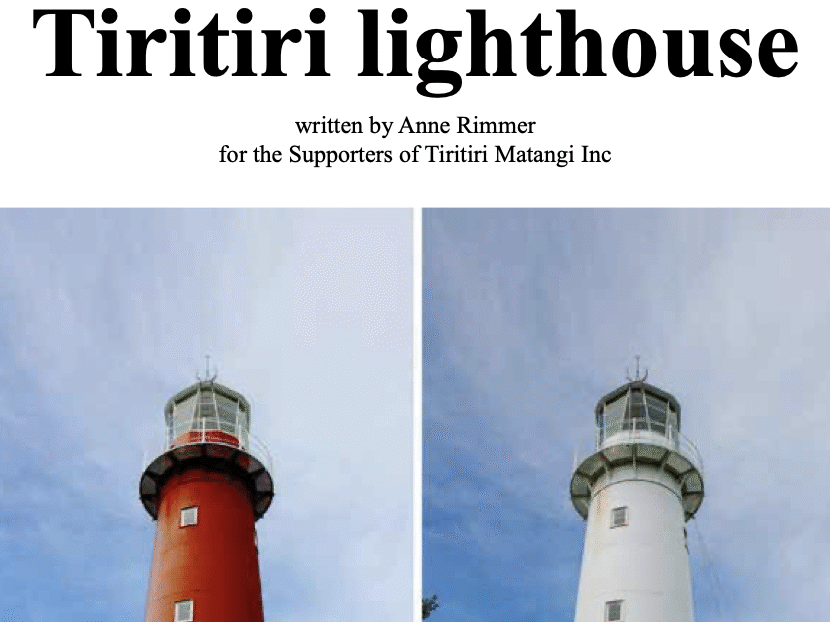
Compiled by Stacey Balich using Tiritiri Matangi: A Model of Conservation and 150th anniversary of the Tiritiri lighthouse written by Anne Rimmer for the Supporters of Tiritiri Matangi Inc
Photo credits from the SoTM Archives
In 1864, as Auckland’s busy port saw more and more steamships arriving, the New Zealand government commissioned a prefabricated cast-iron lighthouse from Simpson & Co in England. Packed into 279 crates weighing around 75 tonnes, the pieces were shipped across the world and hauled up Tiritiri Matangi’s steep hill by twelve bullocks. Over four months, crews dug three metres down for the foundations, then bolted the rectangular iron plates together like a giant Meccano set. On New Year’s Day 1865, the colza (rapeseed) oil lamp was lit for the first time. Within the hour, the Barque Meteor sighted the light from 26 miles away, a beacon visible even from Princes Street and Auckland’s windmill hilltops.
Before construction began on the tower itself, two small cottages were built to house the workers. These modest timber homes, made from weatherboards, corrugated iron, and nails hauled ashore by boat, looked north over the island. They later became the first lighthouse keepers’ cottages, with small fenced gardens, chicken coops, and water tanks close by.
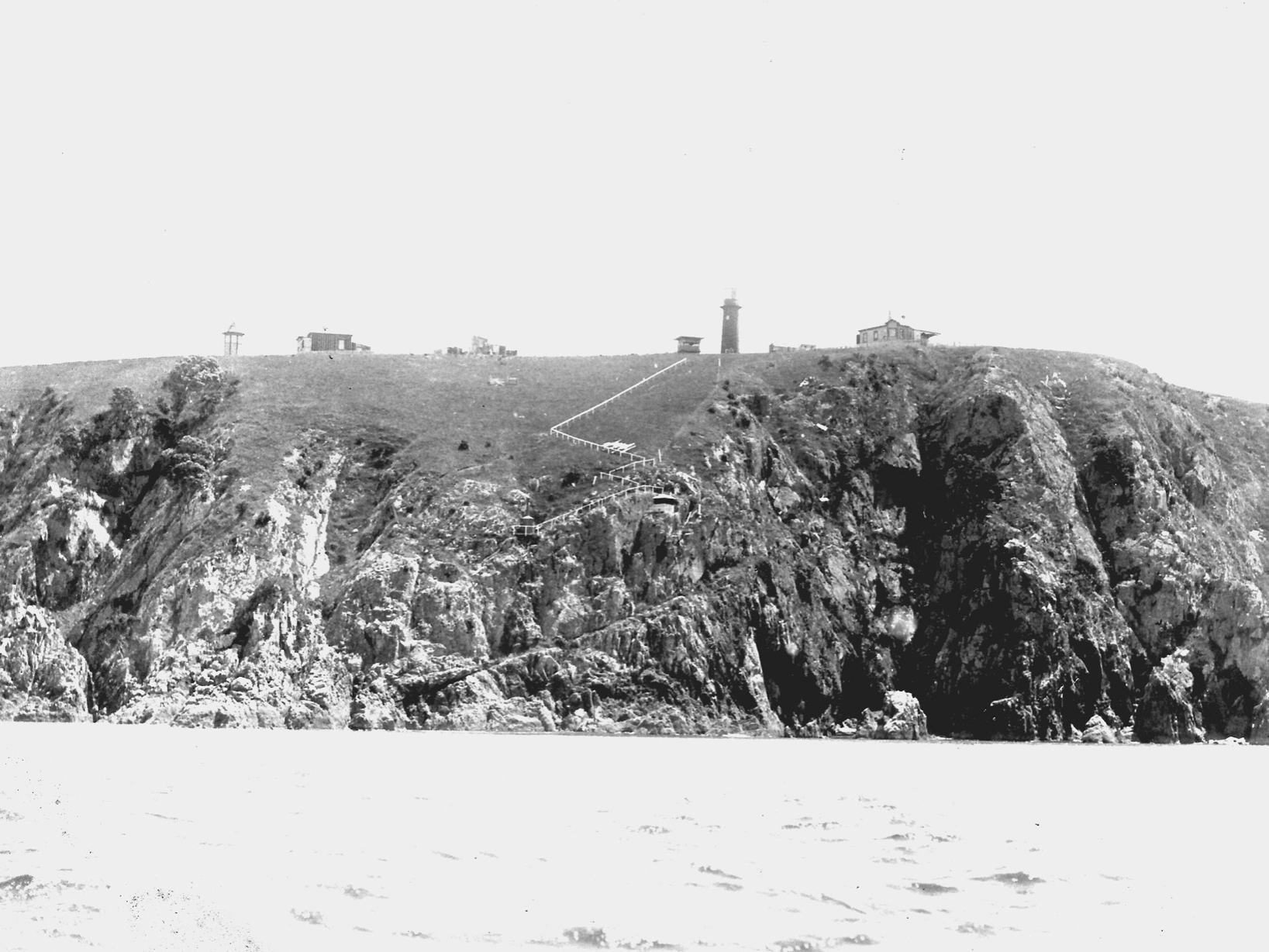
By the early 1900s, the settlement began to grow. In 1908, the Auckland Harbour Board built a signal house on the hilltop so its signalmen could watch for incoming vessels and guide pilots to them near Rangitoto Island. Two houses were erected for the signalmen in 1912, including the elegant Chief Signalman’s House on the eastern cliffs, complete with a thriving flower garden. The assistant signalman’s home, known as “The Fourth House”, was a large, rambling five-bedroom structure relocated from Auckland’s Grey’s Avenue.
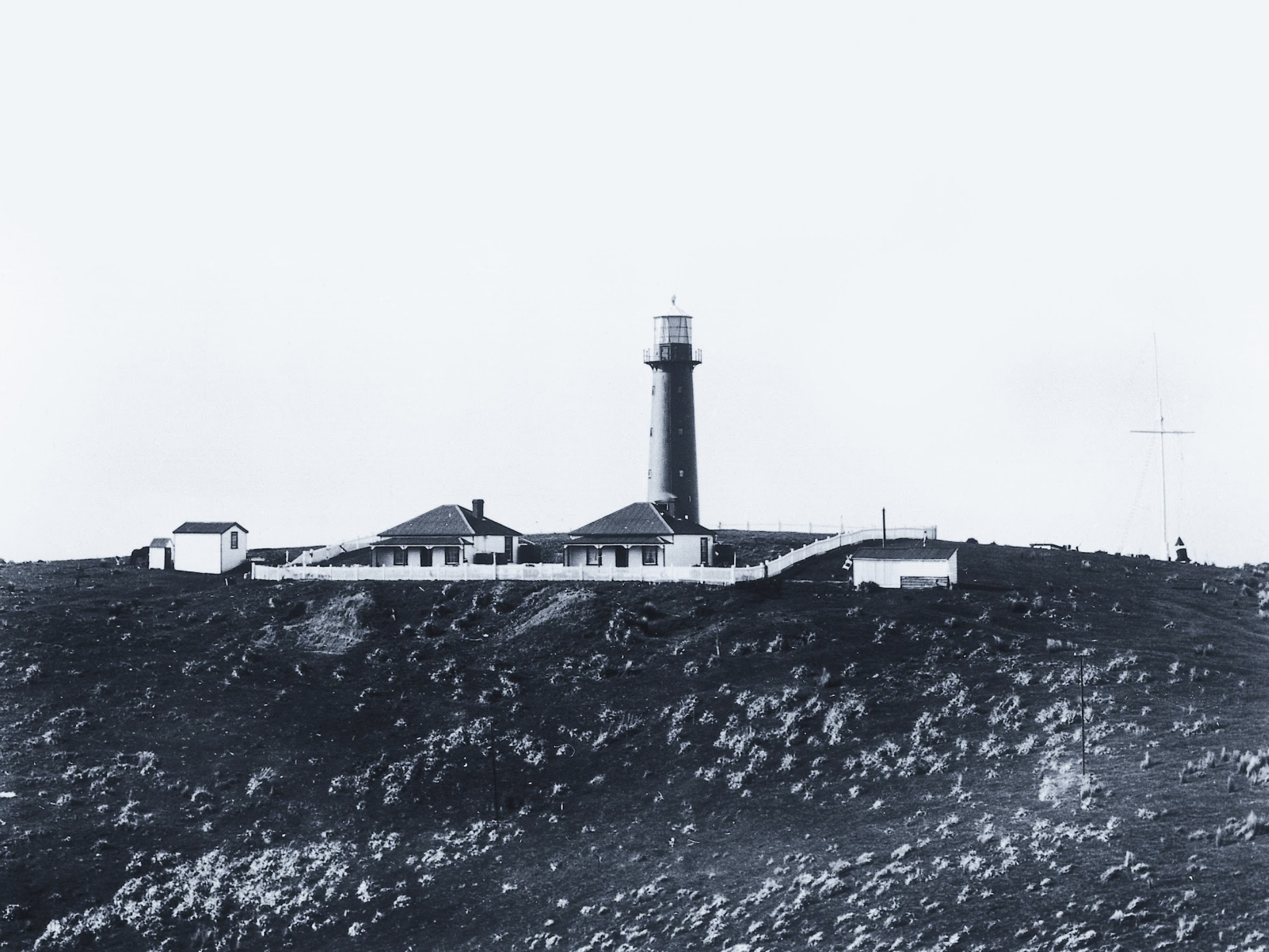
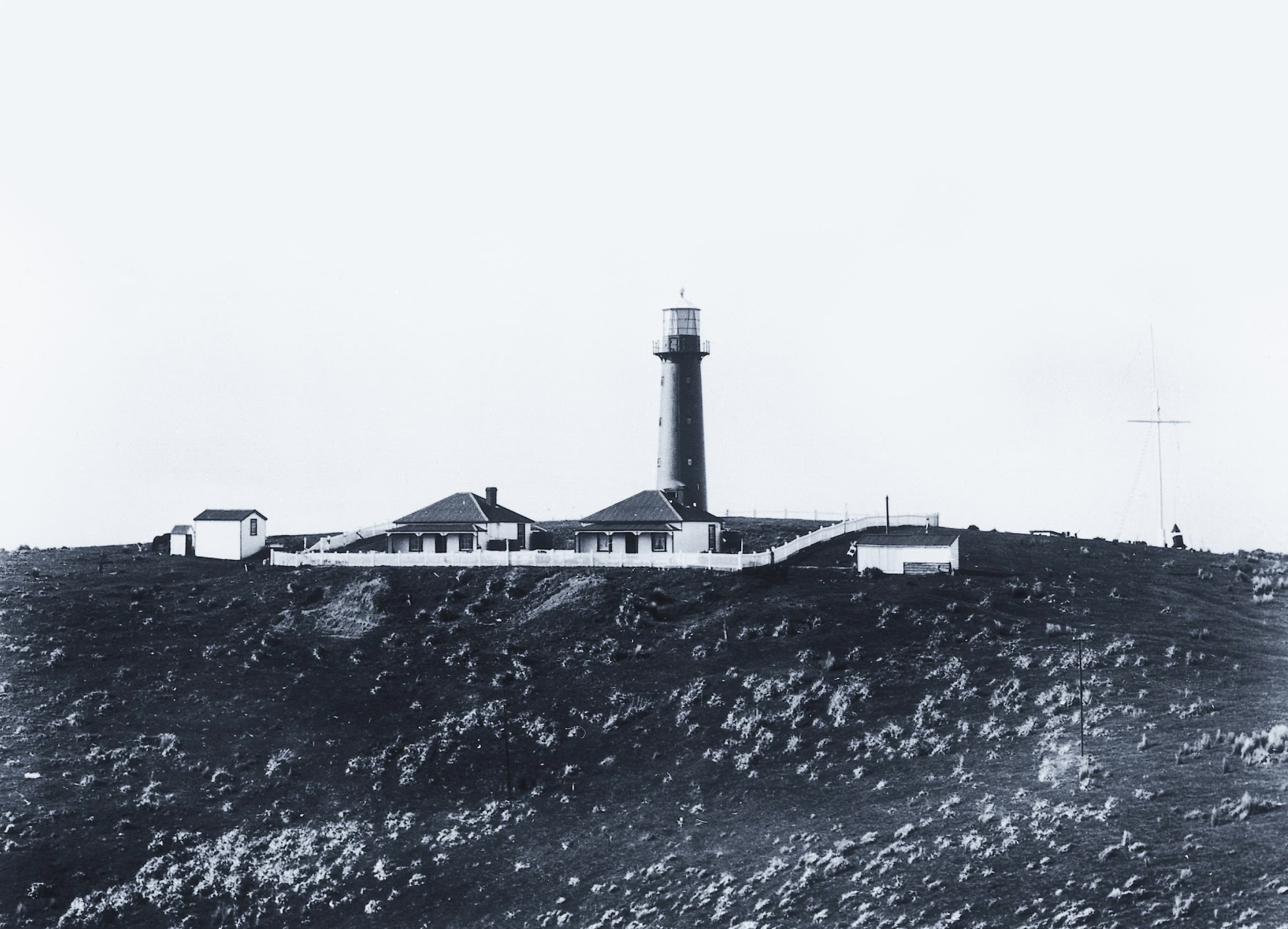
Left image: The Tiritiri Station in 1902 (Winkleman, Auckland)
Right: East Cliffs c1921 (Breckon Head)
The original lighthouse cottages suffered under Tiritiri Matangi’s wild weather. By the First World War, they were in poor repair, and in 1918, two new homes were built to a Marine Department standard plan first used at Cape Brett. This building and the one below were the homes of the lighthouse keepers and their families. They were built around 1918 to replace the original dwellings. Over time, extra rooms have been added to make life more comfortable for the occupants. Life was tough for early lighthouse keepers. Tiritiri Matangi was an exposed and isolated spot. Keepers were expected to keep the cottages tidy and were urged to grow vegetables, keep stock and go fishing to supplement rations. Rules dictated that they were not to depart from the vicinity of the lighthouse except for leave, one week every six months.
These three-bedroom houses, with their half-verandas facing west, are still standing today, one now serving as the Department of Conservation ranger’s home, the other as the island’s bunkhouse for volunteers and visitors. Like all the island’s lighthouse buildings, they wear the iconic white walls and red roofs.
Life in the cottages was simple and sometimes rough. Up until the 1950s, kerosene lamps lit the rooms, cooking was done on coal-and-wood stoves, and outdoor toilets consisted of a wooden bench with a tin beneath it. There was never a shortage of kerosene tins, which were repurposed for everything from water containers to makeshift buckets. Telephones arrived in the 1920s but didn’t last, the underwater cable to the mainland broke and was never replaced.
Other outbuildings were built over time, sheds and workshops for maintaining the light, a signal station for flag and telegraph messages, and later a small house for relief keepers built in 1963 above the eastern cliffs. During World War II, the Ministry of Defence occupied the island, constructing a Port War Signal Station and Fortress Observation Post to keep watch over shipping routes.
The cottages, once essential shelters for those who kept ships safe at sea, now provide accommodation for rangers, volunteers, and overnight visitors who come to experience Tiritiri Matangi’s unique mix of history, restoration, and wildlife.
Please select the images below to find out more:


The Aldis Lamp
The Aldis Lamp
The Aldis Lamp
Written by Stacey Balich
Photo credits: Stacey Balich
Imagine standing on the deck of a ship at night, waves crashing around you, holding a small lamp in your hands. You aim it across the dark water, pulling a trigger to tilt a mirror and send a secret message in flashes of light. Before the days of reliable radios, this simple yet ingenious tool was a lifeline for sailors a silent language of dots and dashes that could mean safety, rescue, or vital instructions at sea. Today, the Maritime Precinct is filled with these fascinating tools and technologies from the past and one of the most iconic is the Aldis lamp.
Invented by Arthur Cyril Webb Aldis of Birmingham, England, the Aldis signalling lamp became a vital tool for maritime communication in the early to mid-20th century. The Aldis lamp was designed to send visual messages using light, long before modern radios and satellite communication were reliable. It worked by flashing Morse code signals between ships, aircraft, or shore stations. This was particularly useful during wartime, allowing fleets to stay in contact while maintaining radio silence to avoid detection by enemy forces.
The way it worked was ingenious. A bright light source was aimed at the receiving vessel, and the operator would create pulses of light to form the dots and dashes of Morse code. In larger lamps, this was done using a shutter. In handheld versions, a concave mirror was tilted by a trigger, focusing the light into precise flashes that could travel several kilometres across open water or sky. It was a simple yet highly effective method of secure, line-of-sight communication.
The Aldis lamp saw widespread use during World War II, when reliable radio communication was not always available. It played a crucial role in coordinating convoys, naval operations, and aircraft landings under challenging conditions. Messages could be sent quickly and silently, even in poor weather or at night, helping save lives and keep operations running smoothly.
As technology advanced, radio and digital communication systems gradually replaced the Aldis lamp.
The Aldis lamp stands as a reminder of a time when a simple flash of light could be the difference between safety and disaster on the open seas.

Left image: A volunteer holding the Aldis lamp
Right: The Aldis lamp on display in the Watch Tower
“Admiralty Pattern 511O.E” is a British military specification code used by the Royal Navy to classify and standardise equipment. Here’s what it means:
-
Admiralty Pattern (AP) – This label was given to all items officially approved and issued by the British Admiralty (the government authority overseeing the Royal Navy). It showed that the item met naval standards for design, quality, and use at sea.
-
511 – This is the specific equipment number assigned to that model of Aldis signalling lamp. Every type of naval equipment, from compasses to binoculars to lamps, had its own pattern number for easy identification and supply ordering.
-
O.E. – This is believed to refer to Optical Equipment, a designation for visual signalling or observation devices.
Essentially, Admiralty Pattern 511O.E means this Aldis lamp was an official Royal Navy issue optical signalling lamp, built to strict naval specifications and used widely during WWII and the post-war years.


Morse code, developed in the early 19th century, became a vital tool for long-distance communication at sea. Using a series of dots and dashes to represent letters and numbers, it allowed ships to send and receive important messages using radio signals or visual methods like signal lamps. In New Zealand Morse code played a key role in maritime safety and coordination. Coastal radio stations and lighthouses used it to communicate with passing vessels. Transmitting weather updates, navigational warnings, and distress signals. Like the Tiritiri, lighthouses were even equipped with signal lamps that used Morse code to flash identifying sequences, helping sailors confirm their location and navigate safely through dangerous waters. Before satellite systems and GPS, Morse code was one of the most reliable ways to stay connected across vast ocean distances, and it remains an important part of New Zealand’s maritime heritage.
Tiritiri Matangi’s Nīkau Grove
Tiritiri Matangi’s Nīkau Grove
Tiritiri Matangi’s Nīkau Grove
Author: Warren Brewer
Photo credits: Warren Brewer
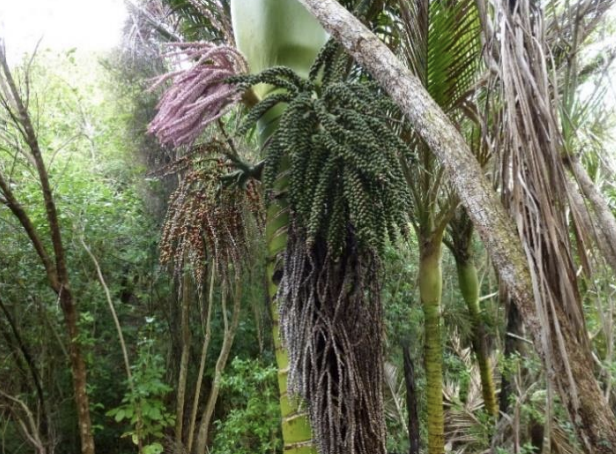
One of the highlights of the Wattle Valley Walk is seeing the nīkau grove, planted during 1994. Nīkau, Rhopalostylis sapida, is regarded as the world’s southernmost palm. The large palm family, Arecaceae,is mostly found in tropical and subtropical climates. Nīkau is one of the few temperate climate outliers.
Tiritiri Matangi’s palms first flowered during 2010 and there is now a steady display of flowers and ripening fruit for visitors to enjoy. Nīkau flowers are carried on compact, much branched inflorescences. Separate male and female flowers are grouped into threes, a central female with two larger lateral males. The male flowers, with six stamens, open first. They soon disappear and female flowers open
Pollination is mostly done by small insects. A few small birds (hihi on Tiritiri Matangi) also seek the nectar amongst the sprays, collecting pollen on their feathers. New fruit which forms is green at first then ripens to a bright red to orange-red. Each fruit contains one seed. Kererū and kōkako are keen harvesters. Nīkau leaves were used by Māori for thatch, mats, baskets and wrapping food. Immature inflorescences and the young growing tip are edible when cooked.
The species name sapida means savoury, pleasant to taste. Rhopalostylis means club shaped style.
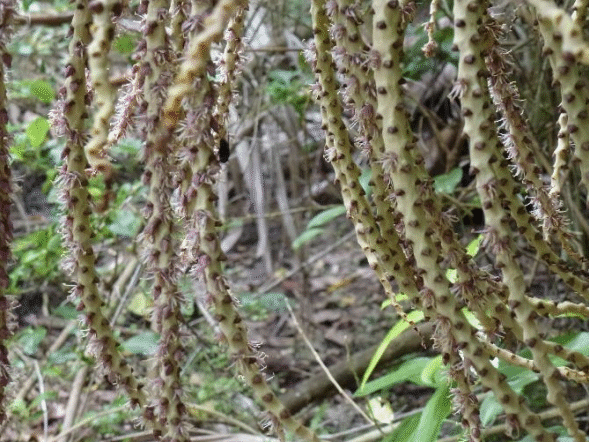
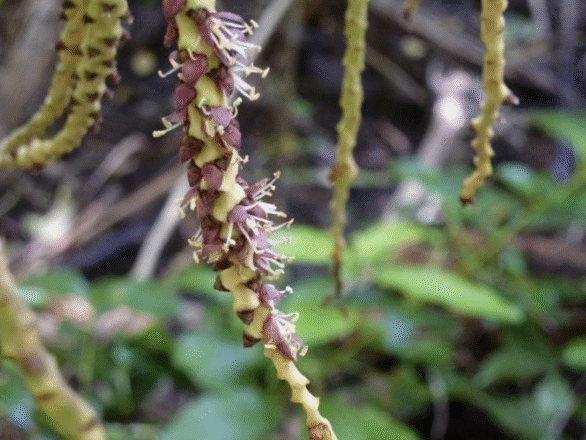
Picture to left shows flowering with male flowers opening and a visiting fly. Right is a close-up of male flowers with stamens.
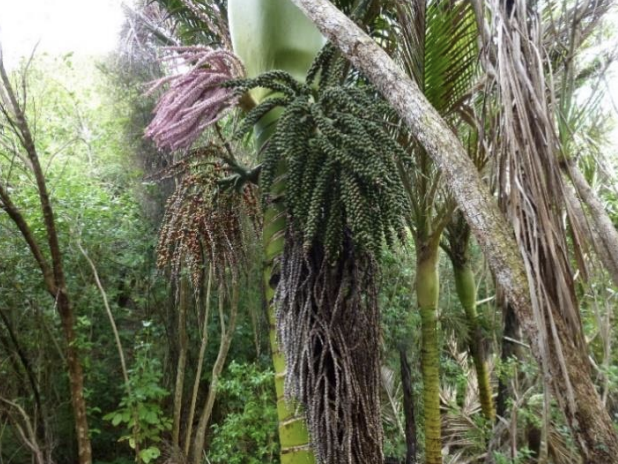
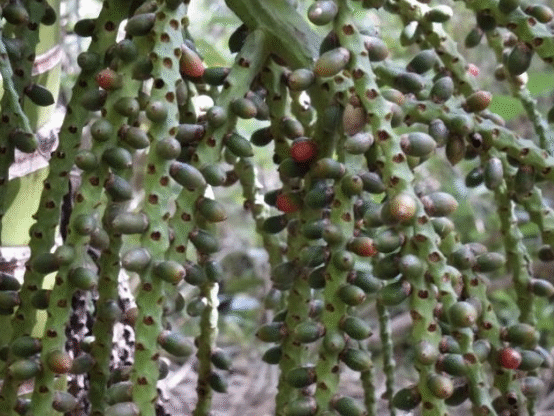
To left is a mix of new flowers, green and ripe fruit. Right is a close up of fruit beginning to ripen.
In 2015 we celebrated 20 years of hihi on Tiritiri Matangi
In 2015 we celebrated 20 years of hihi on Tiritiri Matangi
In 2015 we celebrated 20 years of hihi on Tiritiri Matangi
From the Tiritiri Matangi Archives, Dawn Chorus 102, August 2015.
Author: John Ewan
Heading photo credit: Neil Davies
Author: John Ewan
Next month it will be 20 years since a successful translocation of hihi – the stitchbird – saw them return to Tiritiri Matangi. John Ewen, who as a student monitored the first birds after they were released, and these days co-chairs the Hihi Recovery Group from his base at the Institute of Zoology in London, looks back on a highly successful project . . . assisted by Harry, a young hihi, who is proud to be the 13th generation of his whānau on the Island.
Hi, my name is Harry and I am the youngest hihi on Tiritiri Matangi. My Tiritiri whānau is 20 years old this September! Can you believe it? I want to pay respect to my great-great-great-great-great-great-great-great-great-great-grandparents who made the trip here from their home on Te Hauturu-o-Toi (13 generations if I have counted right). Although I am proud to be from the youngest Tiritiri generation I am also happy to know that some of my cousins have been living to ripe old ages, the oldest so far being 11 years, so their connections to our founders are much closer. Let’s hope I live to such an age. Maybe I will even be a pioneer myself, getting to establish a new home somewhere else in New Zealand. Anyway, I hear it was a difficult start all those years ago. Forty hihi came on the helicopter that day and found themselves in a strange new land. Within a month very few of us had survived. Only four females and 12 males were left. Can you imagine what happened when it came time to breed? Luckily for me, they did breed, the population started to grow… and here I am. I tell you what, when those first hihi arrived I was pretty worried too.
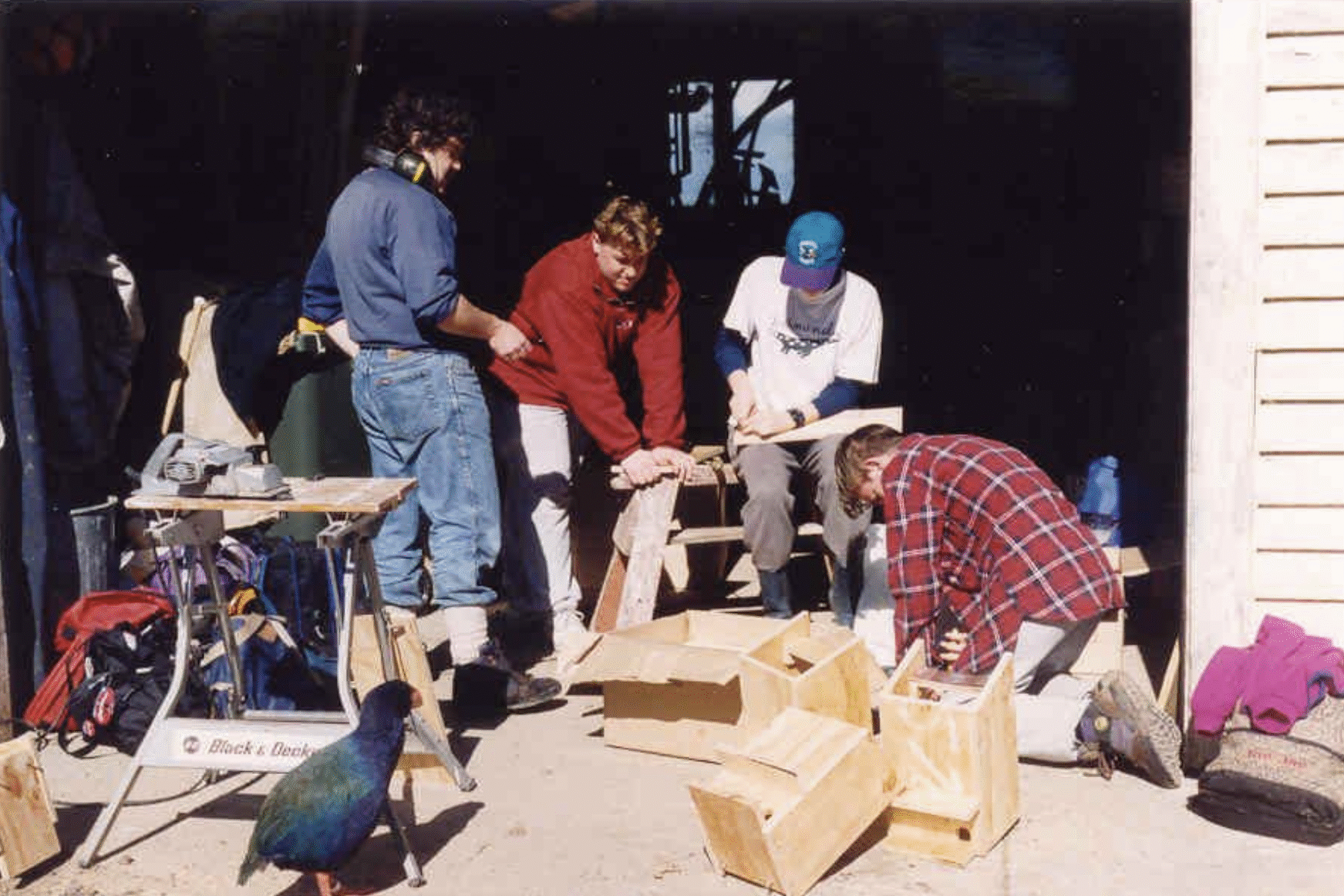


Left: Glenfield College students make the first hihi boxes under the supervision of a curious takahe
Middle: the powhiri for the hihi when they arrived from Te Hauturu-o-Toi / Little Barrier Island
Right: Hihi release
Photos / Neil Davies, Zane Burdett
Left: Glenfield College students make the first hihi boxes under the supervision of a curious takahe
Middle: the powhiri for the hihi when they arrived from Te Hauturu-o-Toi / Little Barrier Island
Right: Hihi release
Photos / Neil Davies, Zane Burdett
My name is John Ewen and I am one of the oldest of the researchers that work with the hihi on Tiritiri Matangi. I was a fresh-faced MSc student monitoring the hihi once they were released on the Island. The release was exciting and had gone really well, largely thanks to Mel Galbraith and a team of students from Glenfield College who planned and led the translocation.
I well remember that September day back in 1995. I was with John Craig and a bunch of supporters and visitors down in Wattle Valley excitedly preparing to let our group of birds go. The hihi were all very happy to get out of their transport boxes and into the forest. But I then had to return to Massey University and exams. I got back to the Island a month later to start my project. I was meant to be looking at how distance to a feeding station would affect how many babies a female hihi could raise. BUT there were no females! Well, a lot fewer than the 20 that had been let go.
What to do? First and foremost was anything to help these birds get a foothold in their new home. We had four females. Luckily each settled on a territory and I spent my days watching and recording what was happening. I set up temporary feeding stations nearby so that they had ample food, and nervously hoped. Breeding! It was full on. We had learnt previously about the crazy sex lives of hihi and this was certainly confirmed, in fact made more intense, because there were so many more males than females.
Studying hihi mating behaviour was also made easier on Tiritiri because the forest is relatively low and open. We found out that hihi hold the world record in promiscuous behaviour in birds! Anyway, six babies were produced that first breeding season, and four of these turned out to be precious females.
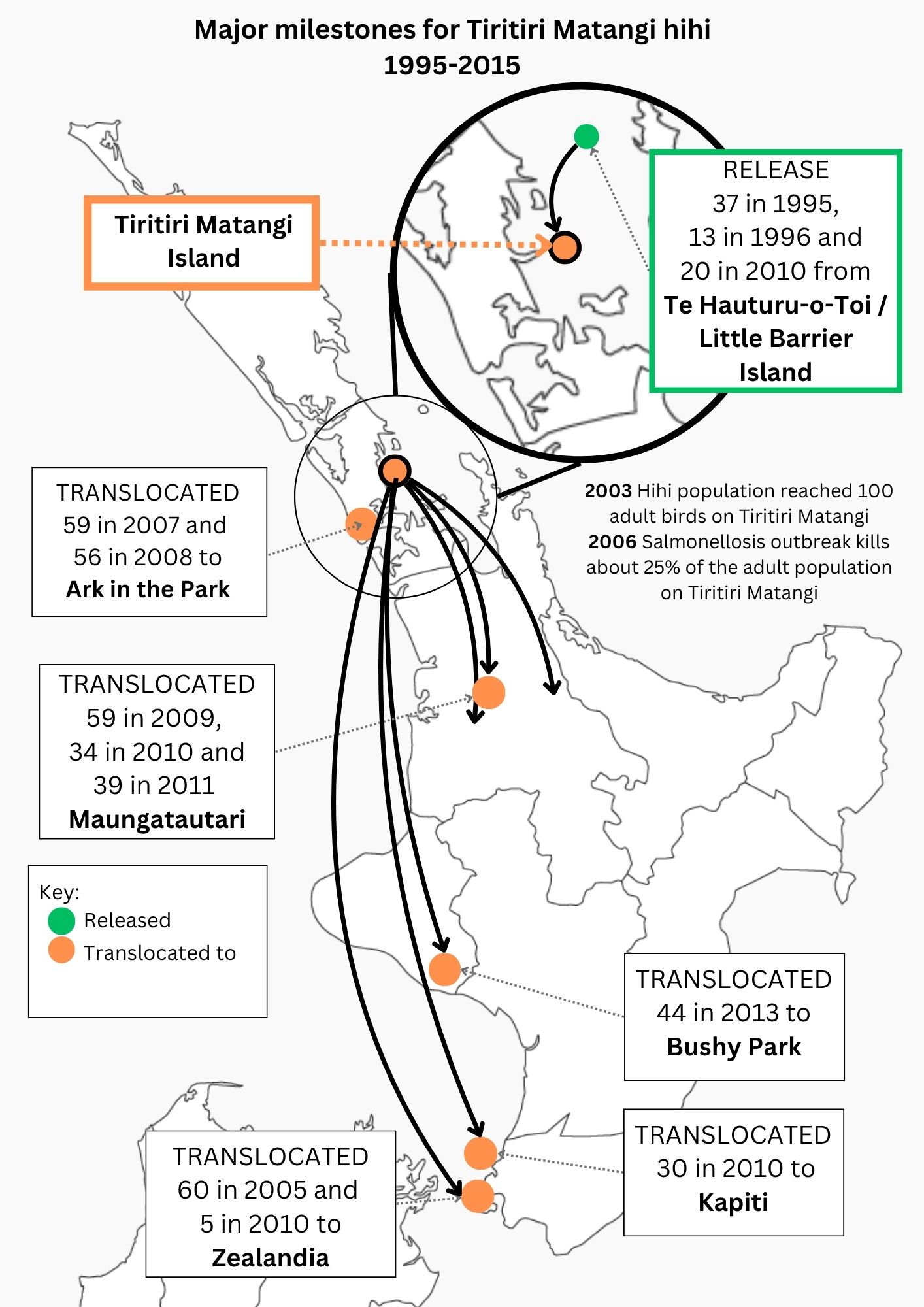
The hihi population on Tiritiri has had two more helicopters full of birds from Hauturu-o-Toi since 1995. The next year we went back to Hauturu-o-Toi to do a top-up translocation and brought over 13 more birds.
After this point the population started to take off. It grew to about 70 adult females and around 160 adult birds in total. We have attempted to keep it at about this size and do so through harvesting mostly juvenile birds to establish new populations elsewhere.
In a further translocation, in 2010, we brought over 20 birds to see how easily we could integrate genetic diversity from Hauturu-o-Toi’s large remnant population into Tiri.
Tiritiri has also become the main source of exports of hihi to start up new populations. The first was to Zealandia-Karori Wildlife Sanctuary in Wellington in 2005.
That makes it 10 years since hihi were first brought back to the mainland of New Zealand, up close and personal to people in a major city, and they came from Tiritiri. I think that is special. Since 2005 Tiritiri has also provided hihi to Ark in the Park, Maungatautari, Kapiti and most recently to Bushy Park. As long as the Tiritiri population continues to do well the birds will continue to be harvested and spread to the best possible sites across northern New Zealand… and maybe further south? With climate change, who knows?
Our Tiritiri hihi have shown amazing resilience and, despite failing to establish in Ark in the Park, they have established, or are showing promising signs of establishment, in all other sites.
But is Tiritiri full? How many hihi could we have on the Island? These are tricky questions. We have not seen evidence for the population regulating itself, ie there is little evidence for density dependence. We have strong and positive population growth. This is, of course, probably artificial. The birds are intensively managed: we feed them; we give them nest boxes; we look after their babies by constantly looking out for and treating infestations of nest mites. As long as we keep responding to the increasing demand of these chores the population could keep growing.
Or could it . . ? We have had some bumps along the way. In 2006 an outbreak of salmonellosis was estimated to have killed 25% of the adult population. There is concern that these types of disease outbreaks might be facilitated by an artificially high density of birds combined with them congregating at feeding stations. Whilst we have little direct evidence for this, the Hihi Specialist Group and the Tiritiri managers have agreed to manage the population at about the 70 adult female level. This is to try and avoid increases in disease outbreak frequency and because the management level required is possible under current resourcing.
Hihi certainly don’t lack charisma. Over the years they have been near constantly studied and I am sure this is at least partly because of their character. From their sex lives to the meaning of their colourful plumage, from their diet to their parenting skills and most importantly how we best manage this population and species. Every individual is known from birth and tracked until death or translocation elsewhere.
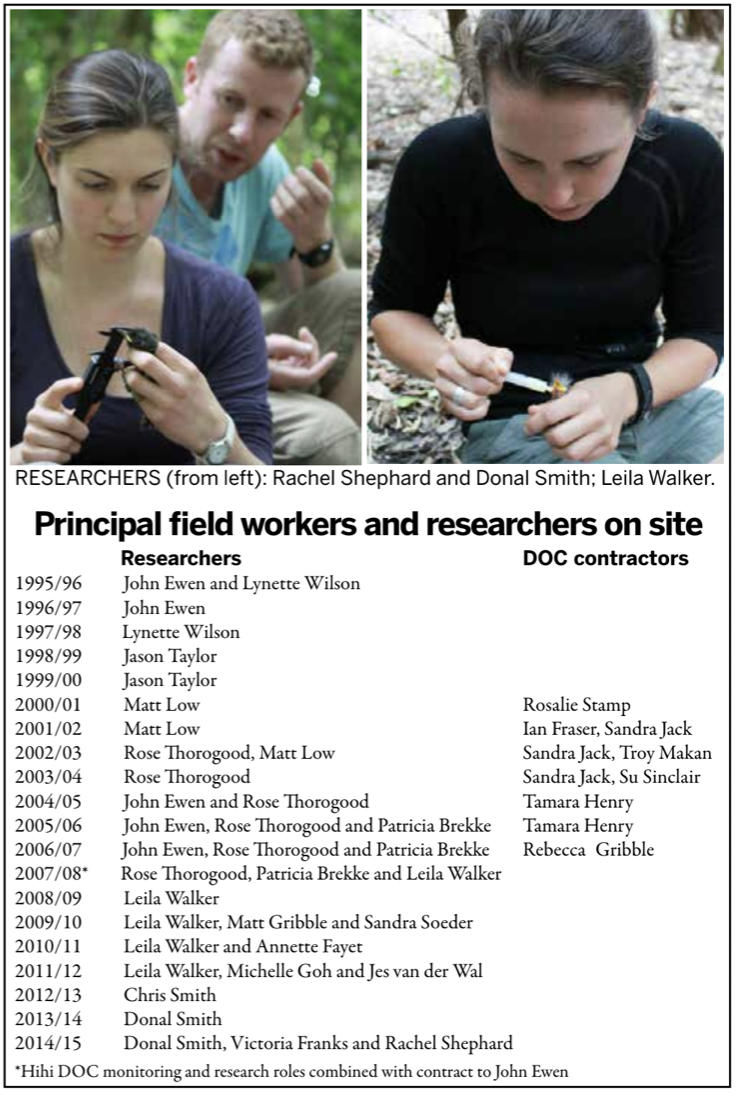
This has resulted in six students completing MSc studies on Tiritiri hihi, five doing PhDs and two more currently under way. An amazing 52 peer reviewed scientific publications are out there based on this one population! Students and researchers come from many countries including New Zealand, United States, Britain, Ireland, Sweden, France and the Netherlands.


Left: Glenfield College students watch the translocation take place.
Middle: Mel with Glenfield students.
Right: Shaarina Boyd releases one of the first hihi on Tiritiri.
Photos / Neil Davies, Zane Burdett
Left: Glenfield College students watch the translocation take place.
Right: Shaarina Boyd releases one of the first hihi on Tiritiri.
Photos / Neil Davies, Zane Burdett
What are some of the strangest things these researchers and others have seen?
– Watching a fertile female for eight hours a day and seeing her constantly chased by the entire population of males (12). The females tried hiding in their boxes or in the feeding cages and, failing that, then crawling along the ground under ferns trying to escape the over amorous attention of the males.
– The gynandromorph hihi that lived on Tiritiri. This is a bird that has female plumage on one side and male plumage on the other – crazy and rare!
– Watching males sneaking into nest boxes to locate females. On one occasion one, then two, then three males entered a box. The last got stuck heading in with its tail and bum poking out. The territorial male then returned and wasn’t happy. We rescued all three birds trapped in the box but you think they learnt their lesson? We doubt it!
– When filming in nest boxes we found a male hihi roosting in a box around the time the female was meant to start laying eggs. But he wasn’t the territorial male – he had snuck in!
– When attempting to collect sperm samples to study inbreeding we tried a freeze-dried female hihi. For some males it worked disturbingly well and we have video footage to prove it. Even when ‘Fluzzy Suzzy’ was looking a bit rough around the edges she could still attract the attention of the boys.
– The discovery that in the breeding season a male hihi’s testes are bigger than his brain. Just as we rightly celebrate the success of this important hihi population and can track its pedigree we can do the same with those who have worked with hihi over the years. My MSc supervisor, longtime Tiritiri hihi and robin researcher Doug Armstrong, is now officially an academic great-grandparent (I am sure he will enjoy reading this!).
There is no sign of any of this slowing down. The more we learn about this little bird the more questions there are. From a conservation angle in particular we are not there yet. Hihi are challenging and we truly believe they remain the acid test for ecological restoration in northern New Zealand.
Hihi means ‘ray of sunshine’ and we like the idea that hihi are just that. They epitomize the challenges and hope for conservation in New Zealand. The Tiritiri project should be proud of its contribution in this light. And a final word from Harry:
The special help those first hihi had from caring people was humbling. Students from Glenfield College along with their then biology teacher Mel Galbraith did a wonderful job of organising the first translocation. Since then we continue to be well looked after with lots of food and plenty of houses for our nests. All this is provided by DOC, SoTM, researchers and volunteers. We also get studied constantly, which is understandable, because we’re really cool and interesting. I am happy about all this because for too long we were ignored and suffered from the changes that accompanied European settlement. By luck a few of us clung on in Hauturu-o-Toi and were protected from the changes that shaped modern northern New Zealand. But now, look at my whānau. We have spread to five new homes and Tiritiri has been the stepping-stone to three of these. Nice.
Karo - a frontline species for coastal protection
Karo - a frontline species for coastal protection
Karo - a frontline species for coastal protection
Author: Natalie Spyksma (from Dawn Chorus 140, Summer, February 2025)
Photo credit: Jonthan Mower
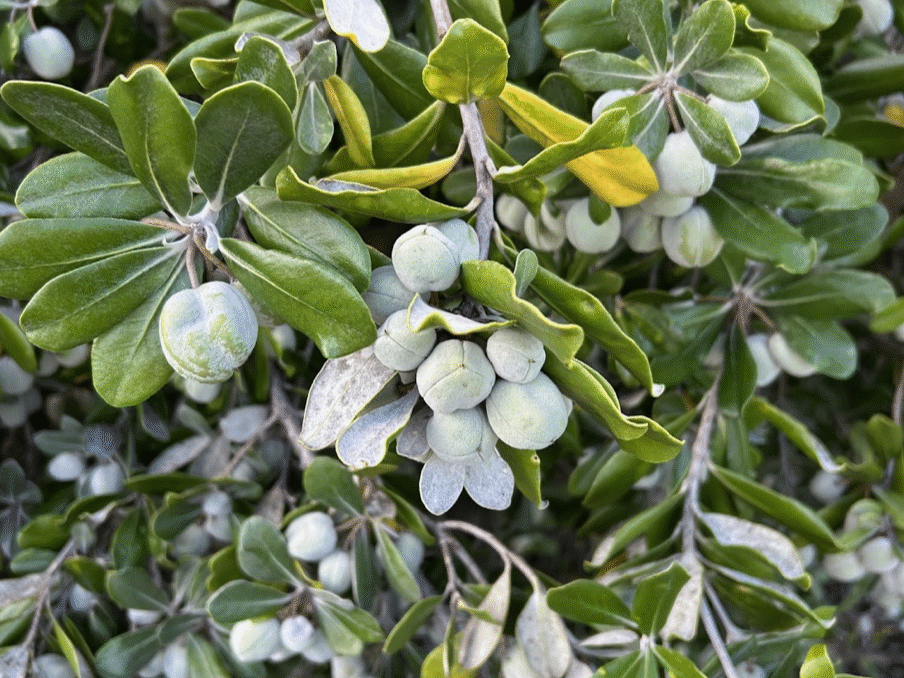
A plant that had an outstanding flowering season on Tiritiri Matangi Island during the spring of 2024 was Pittosporum crassifolium, better known by its Māori name, karo. As this issue of Dawn Chorus goes to print, the results of this flowering are obvious: big grey seed pods (capsules) are hanging in abundance on karo branches all over the Island.
The pods are attractive. They bob in the wind in tandem with the plant’s leaves, which flicker between the green upper and grey undersides, creating patterns and hues in constant change. Have you noticed their profusion this year?
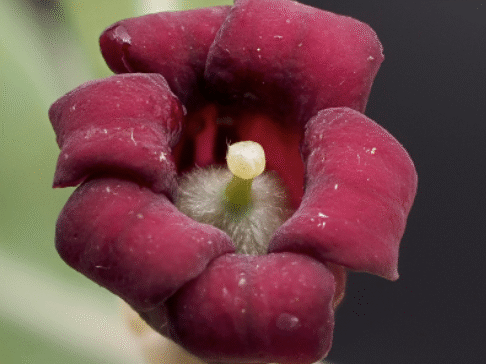
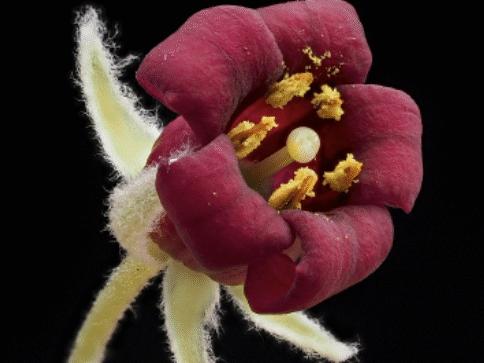
Left: A female flower with one prominent central pistil.
Right: A male flower with pollen-bearing stamens.
Photo credit: Jonathan Mower
Island presence
Botanist Alan Esler recorded the first surveyed wild population of Pittosporum crassifolium on Tiritiri Matangi Island in the early 1970s. Before this, rats were present, and animals had grazed the Island for around a century, limiting the survival of many plant species, including karo. Between 1984 and 1994, copious quantities were planted during the Island’s revegetation programme.
Now they regenerate freely in suitable habitats and can readily be seen lining the coastal edges of the track to Hobbs Beach, often in a front-line position, intermingling with harakeke/flax (Phormium tenax), taupata (Coprosma repens), muehlenbeckia and pōhutukawa (Metrosideros excelsa) amongst the boulders on the beach fringes. They also thrive on forest margins, cliffs, and rocky outcrops all over the Island, where larger trees have not stolen their light, and the soil is relatively well-drained.
Distribution
Pittosporum crassifolium grows elsewhere in areas with habitats similar to those of the Tiritiri Matangi population. Its natural range extends from North Cape to Poverty Bay and on many northern offshore islands. They have also naturalised in other warm areas of New Zealand, Norfolk Island, and the Hawaiian Islands, where they may be considered a weed species.
There are around 250 species of Pittosporum worldwide, twenty-one of which, including karo, are endemic to New Zealand. All belong to the evergreen Pittosporacea family.
Growth habit and description
Karo are fast-growing colonisers, able to inhabit coastal positions that few other plants can tolerate. Consequently, they contribute to the overall stability of coastal ecosystems, helping with erosion control and providing shelter for the next layer of vegetation to grow behind.
Within ten years and in ideal growing conditions, they will form into a dense shrub or an erect, multi-branched small tree up to ten metres tall and three metres wide.
Their alternating, thick, leathery, oval leaves (5-7 cm long) curve inwards at the margins, reducing surface exposure to the dehydrating salt-laden winds of their coastal habitat.
They are also covered underneath in downy, grey, felt-like hairs (tomentose) that help prevent salt penetration to the leaf’s surface, another clever survival technique. Tomentose also occurs on the soft new-season growth that readily shoots from branch tips.
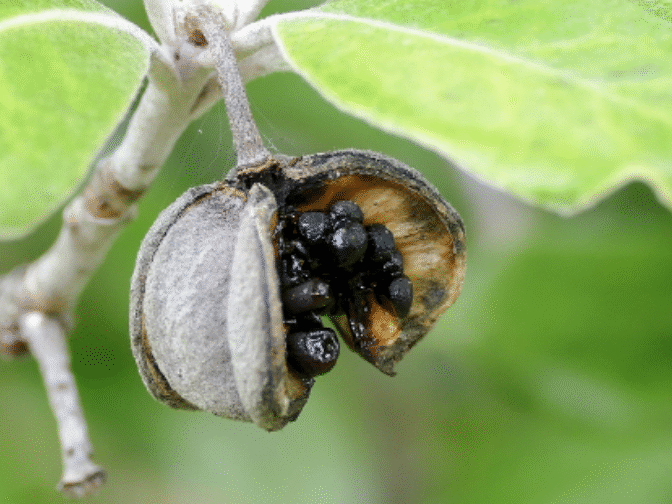
Left: Karo seed pod open showing the sticky karo seeds. Photo credit: Annette de Raat
Right: Karo seed pods. Photo credit: Natalie Spyksma
Bird food—the flowers
In spring, small dark crimson flowers appear in terminal clusters. Their sweet perfume fills the evening air, attracting bees, flies and nocturnal moths to aid pollination.
However, by day, nectar-feeding birds such as korimako/bellbirds, hihi/stitchbirds, tūī, kererū / New Zealnd pigeon, and kākā are lured in to help with pollination – receiving in exchange their fill of sweet sugary syrup from the flowers. Korimako are particularly well-designed for the job.
Close inspection of the pretty flowers will reveal that male and female flowers are on separate plants, the males in larger bunches than the females.
The females have one prominent central pistil (stigma and style atop an ovary). In contrast, the males have an often sterile, small central pistil surrounded by five yellow pollen-bearing stamens (filaments and anthers). In other words, the male flowers are hermaphroditic, or ‘inconstant’ in botanical terms.
When the inconstant male flowers self-pollinate, the resulting seed pods are smaller, and the seed is less viable than those born on karo’s female-flowered trees. Have a look and see if you can notice the difference.
The process of having one flower ‘inconstant’ and the other ‘constant’ (pure) on separate trees is known as gynodioecy. This rare phenomenon is thought to be an evolutionary bridge between hermaphroditism and dioecy (separate male and female plants).
Bird food—the fruit
Compared to its small flowers, karo’s round, 2-3 cm long, three-part seed pods are a significant sight. The male-set pods often hang sparsely and singly, while the female fruit hang in clusters of up to ten. However, most frequently, I’ve observed clusters of two to six. These pods are also covered in protective tomentose, giving them their soft grey/green colour. During autumn and winter, the pods mature and burst open, revealing a mass of black seeds in a sticky yellow substance known as gluten.
Consequently, seed dispersal beyond the tree’s dripline is difficult without external assistance, so seedeaters like tūī, kererū, kākā, kōkako, and kākāriki help with the process. In return for a meal, they inadvertently fly off with the sticky seed attached to their bodies, distributing it—along with the undigested seed—further afield.
Pods can hang onto the tree for up to six months, turning hard and black as they dry out. Maybe you have noticed them.
Enjoy taking a closer look at these important coastal frontliners.
Our friendly forest giant with the prickly leaves, useful bark and sweet, juicy fruit
Our friendly forest giant with the prickly leaves, useful bark and sweet, juicy fruit
Author: Warren Brewer
From the Tiritiri Archives, Dawn Chorus 100, February 2015
Photo credit: Warren Brewer
Warren Brewer reports on one of New Zealand’s largest and most useful trees, the mighty tōtara, good examples of which can be found on Tiritiri Matangi . . . though they still have some growing to do.
Tōtara (Podocarpus tōtara) occurs throughout New Zealand, extending as far south as Stewart Island. It is one of the giants of lowland forests, growing up to 30m tall with trunks 3m in diameter.
On Tiritiri Matangi we have some mature trees, the largest example being about 10m tall with a basal diameter of 80cm. It is associated with another tree of around 30cm diameter and several saplings 4-6m tall. These trees are in the Bush 1 forest adjacent to the aptly named Tōtara Track. A few saplings and many seedlings occur in other forested areas.
Tōtara is classified as a conifer (meaning cone-bearing). It is dioecious, with male and female cones on separate trees. Male pollen cones (1-2cm long) appear in spring either singly or in clusters and pollen is released as the cones ripen in late spring.
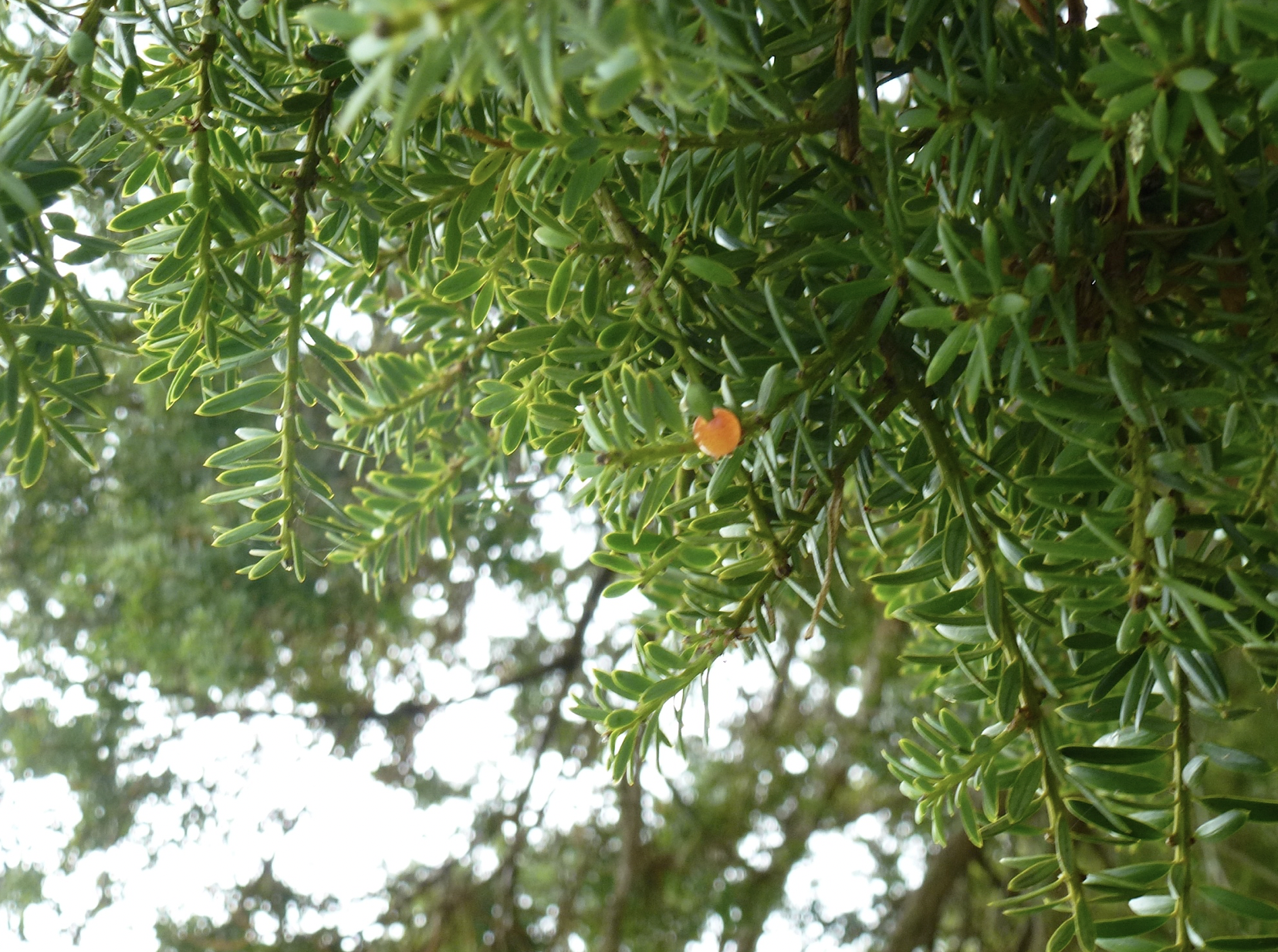
The seed cones in female trees occur singly on a leafless stalk. As a seed matures this basal green stalk swells to form a pale red fleshy receptacle. This makes a reward for visiting birds as they also swallow the attached seed along with the juicy receptacle. Maori also gathered this succulent fruit.


Left image: A noble tree: Elegant saplings in Bush 1
Right image: Typical stringy bark on a mature tōtara also in Bush 1
Tōtara leaves are narrow and pointed, making them prickly to touch. The name tōtara is said to mean ‘prickly’. Tōtara bark is very distinctive, being thick, furrowed and stringy. It can be separated in narrow strips which could be woven into food baskets. It was also used as thatching for dwellings and for making fire.
Māori valued the timber in tōtara trees as it has an attractive reddish-brown straight grain, splits readily and, once dry, its heartwood is very stable. The timber is easily worked, durable and lasts indefinitely in above-ground use. It is also long lasting in saltwater.
Māori used it to build the outer defences and inner dwellings of pā sites and with greenstone and obsidian adzes they shaped ocean going canoes from whole trunks. European settlers used tōtara timber for post and batten fencing, house piles, telegraph poles, sleepers, marine piles, shingles, sashes and doors.

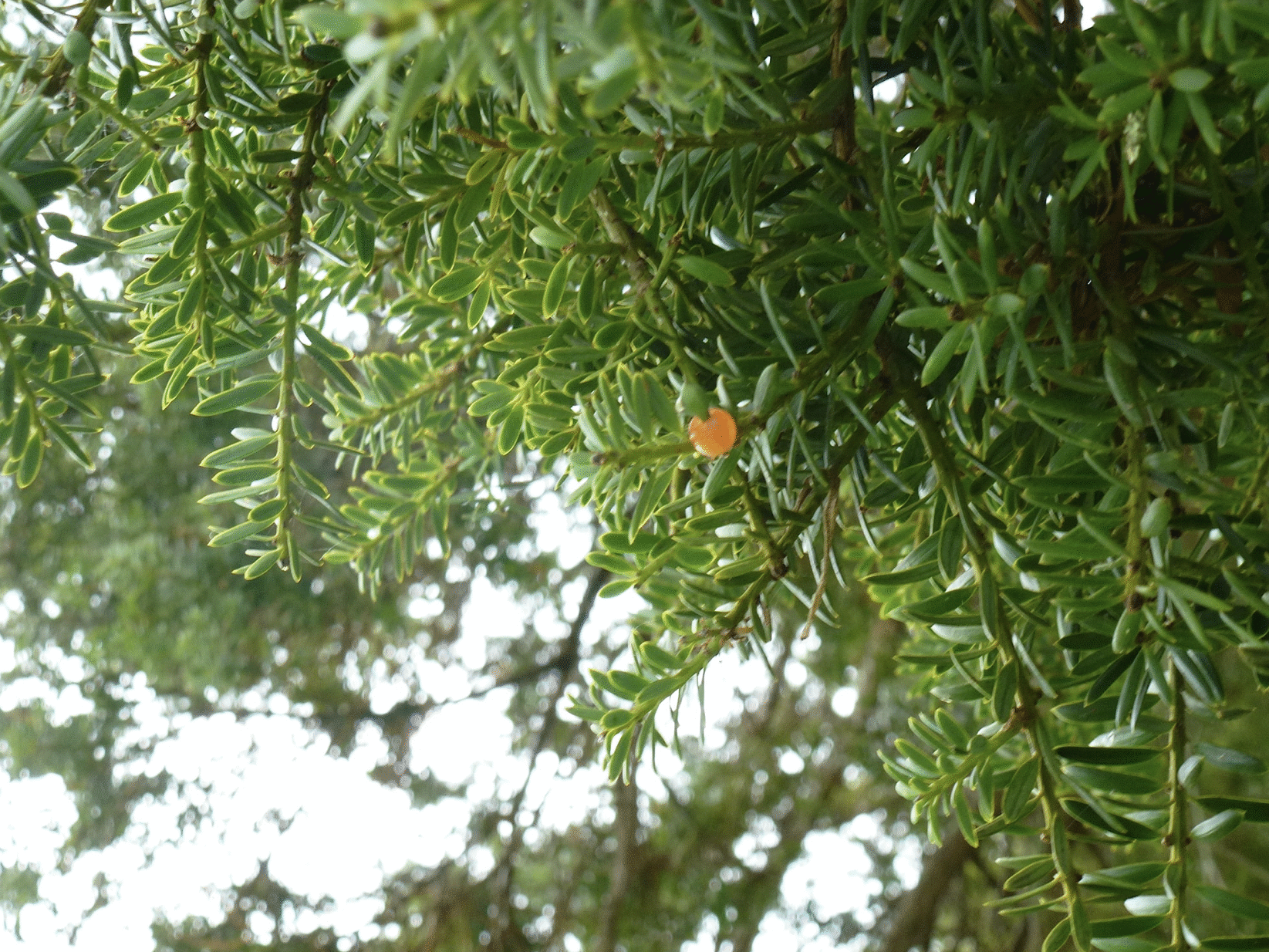
Left image: Succulent: Prickly tōtara leaves flank a cluster of ripening male cones
Right image: A female bright yellow cone is almost ripe enough to eat
The genus Podocarpus has about 82 species of trees and shrubs which are spread through-out the tropics and sub-tropics and further south into temperate regions. New Zealand has four endemic species, one of which, snow tōtara (Podocarpus nivalis), is a prostrate alpine shrub. Podocarpus means foot fruit, referring to the fleshy receptacle supporting the seed. Nivalis means growing at altitude.
The Māori name tōtara is derived from a Proto Oceanic word for spines and many Central Eastern Polynesian languages use it as a name for a porcupine fish (which is called koputotara by Māori). All New Zealand plants bearing the name tōtara have narrow pointed leaves resembling the exterior of a porcupine fish. In New Zealand tōtara refers to a magnificent forest tree with prickly leaves. Patotara is the name of a prickly-leaved prostrate shrub (Leucopogon fraseri).
Metaphorically, tōtara is also used to refer to a noble or highly esteemed person.
Minimal internet. No traffic. Just a wild island, a few tools, and more birdsong than you could imagine.
Minimal internet. No traffic. Just a wild island, a few tools, and more birdsong than you could imagine.
Minimal internet. No traffic. Just a wild island, a few tools, and more birdsong than you could imagine.
Author: Eloise Woodley-Phillips
Welcome to a volunteer weekend on Tiritiri Matangi.
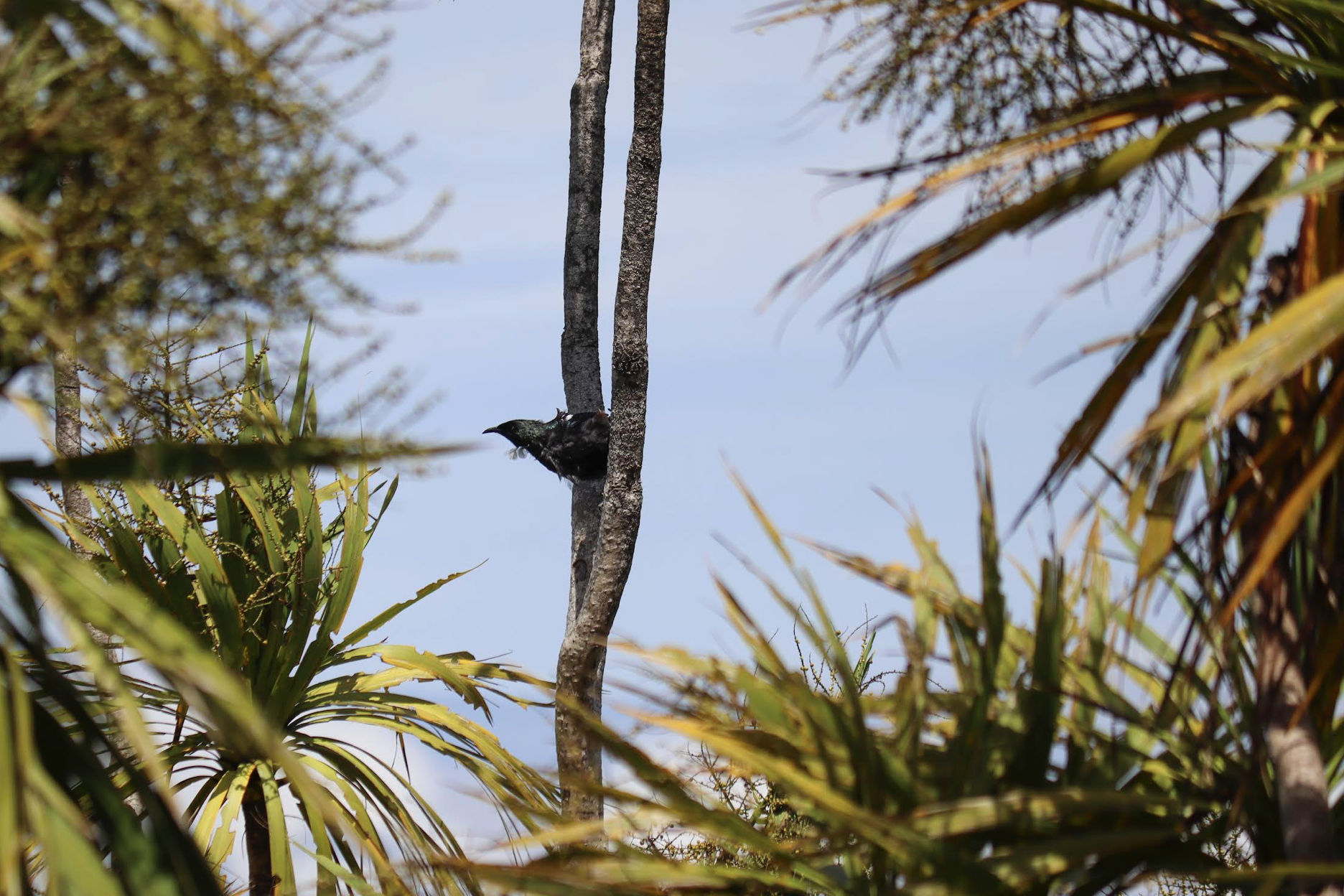
You’ll arrive by ferry, watching the mainland drift behind you as the island rises out of the sea like something alive. The moment you step onto the track, it’s tūī, korimako, pīwakawaka, hihi — birds everywhere, loud and unbothered. You’ll head up the hill (your bags go by truck) and meet a handful of regular volunteers — warm, relaxed, and ready to hand you a shovel.
The work is real but approachable. You might be wheelbarrowing gravel up a hill to fill a muddy track, pulling up rotting planks from a boardwalk, or checking trap boxes. You’ll take breaks in the sun, eat snacks on the porch, and share tools and stories with people who care deeply about the place. You’ll probably forget you haven’t checked your phone. And yes, you’ll want sturdy shoes, a plug-in insect repellent, and a multi-board — charging space in the bunkhouse is prime real estate.
Evenings are when the island shows off. You’ll grab a torch and head out into the bush. One minute you’re on the track, the next you’re surrounded by tuatara, fungi, and bioluminescence crashing against the wharf. You’ll spot little penguins slipping through the undergrowth. A ruru fledgling may appear, blinking like it’s surprised to see you. And if you’re lucky — ridiculously lucky — you might catch sight of a duvaucel gecko, rare enough that even the long-timers will be buzzing.
You’ll swim. You’ll nap. You’ll eat with the team. You might see a kōkako glide past or hear the chirp of titipounamu while you’re brushing your teeth. You’ll get time to wander, feet aching, heart full.
This isn’t luxury. It’s connection, rhythm, community, and it’s yours if you want it.
So bring your boots. Pack your food (seal it tight), your towel, and your curiosity. Don’t worry if you’ve never volunteered before. Just show up. Tiritiri will take care of the rest.
Click on the button to find out more about volunteering on Tiritiri Matangi Island
Secrets in the Bark: A Ferry Chat on Pūriri Moths
Secrets in the Bark: A Ferry Chat on Pūriri Moths
Secrets in the Bark: A Ferry Chat on Pūriri Moths
Written by Stacey Balich, with inspiration from volunteer Jonathan Mower
Photo credits: Jonathan Mower
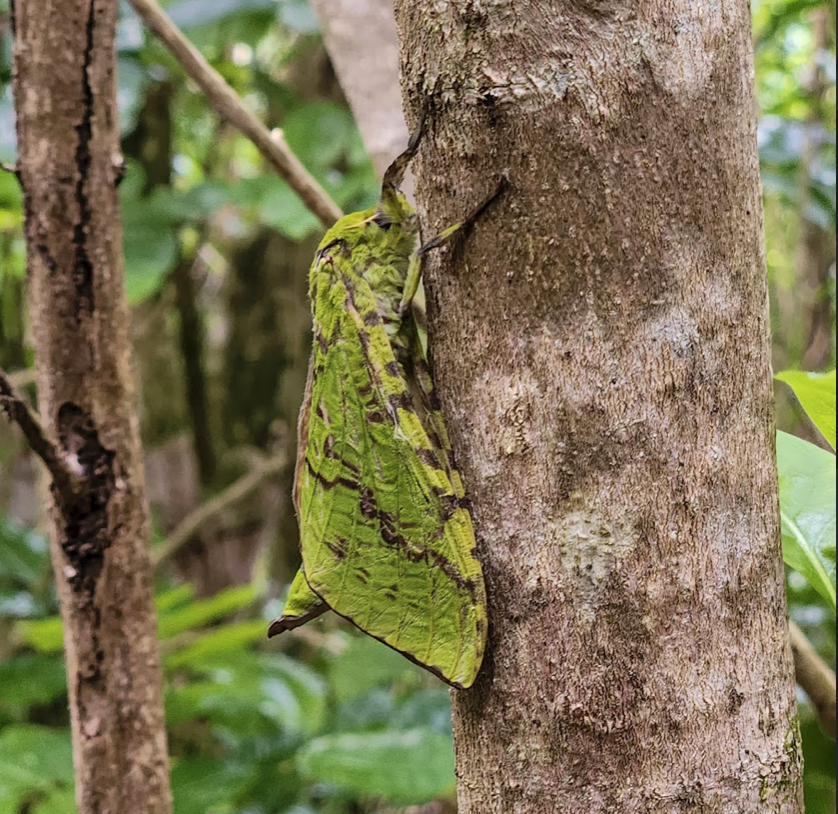
Pūriri moths are mesmerising. They’re New Zealand’s largest moth, spanning up to 150 cm across their wings. Yet, they remain largely hidden during most of their lives. I’ve only glimpsed a handful, since the adult stage lasts barely 2 days, just enough time to mate and lay eggs.
Recently on the ferry to Tiritiri Matangi, I had one of those golden volunteer conversations that was full of shared wonder and inevitably ending with more questions than answers (which I love). We were chatting about how many trees pūrirī moths use as their host. It turns out, the caterpillars aren’t picky at all. While they take their name from the pūriri tree, their host range spans well over 70 native, naturalised, and cultivated species. Which I have no idea that is was that many.
Among native species, pūriri moths have been found in pūriri trees, known for their broad canopy and wildlife support and putaputāwētā, a tree so iconic its name refers to wētā inhabiting old pūriri moth burrows. But that’s not all, these adaptable caterpillars also burrow into exotic and cultivated trees such as eucalyptus, English oak, silver birch, and fruit trees like lemon, apple, and cherry, and have even been recorded in small shrubs like Quintinia serrata, Pomaderris apetala, and Griselinia lucida.
During our chat, Jonathan pointed out that while some host trees tolerate the burrowing caterpillars, others react defensively. Within cherry trees, for example, sap floods the tunnel during winter, eventually sealing the hole over the summer
This wide variety of hosts shows just how versatile and resilient pūrirī moth caterpillars are and that they are able to thrive in diverse habitats from native broadleaf forests to suburban gardens. It’s the kind of fact that sparkles in a ferry‑chat, turning a simple question into a doorway to wonder.
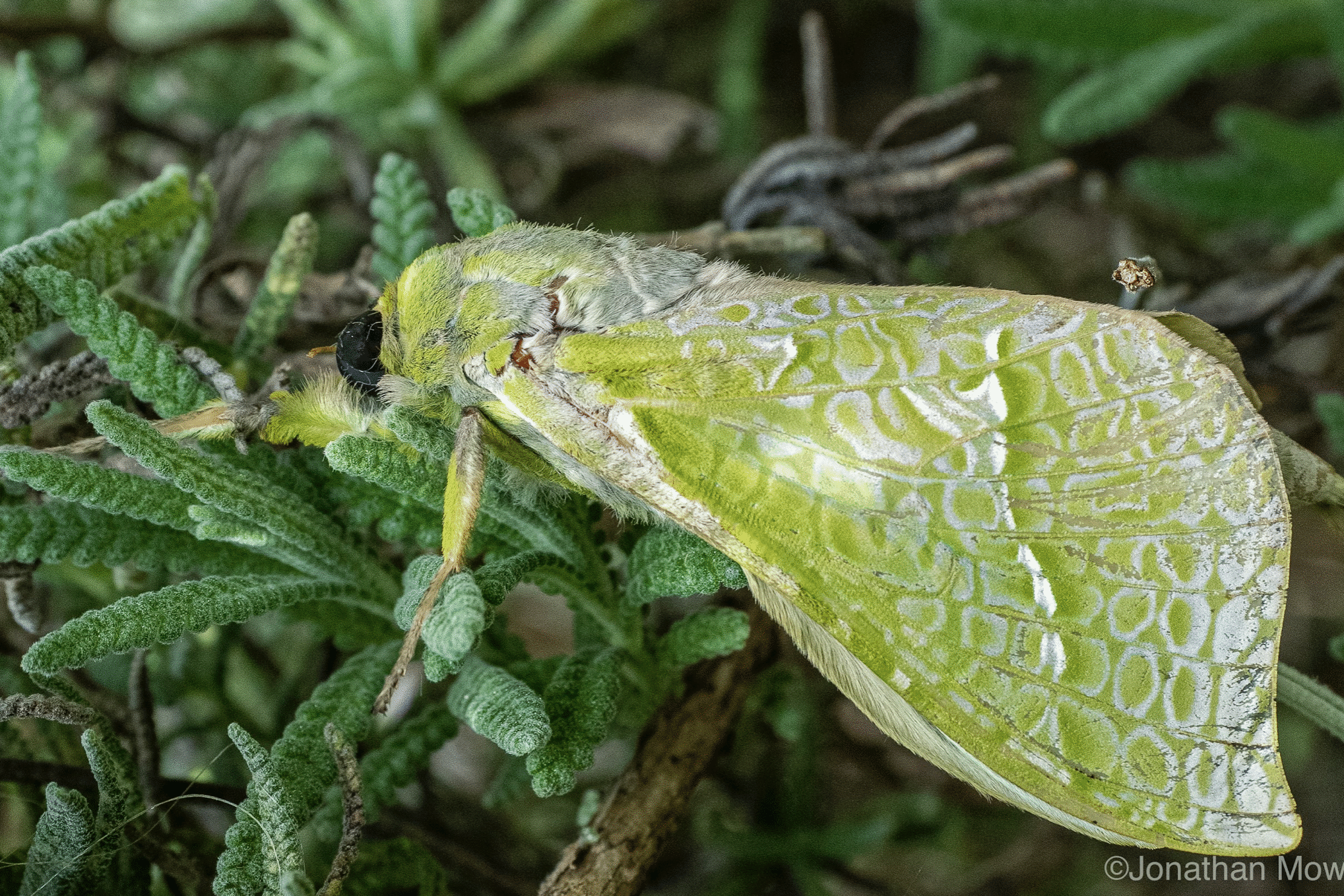
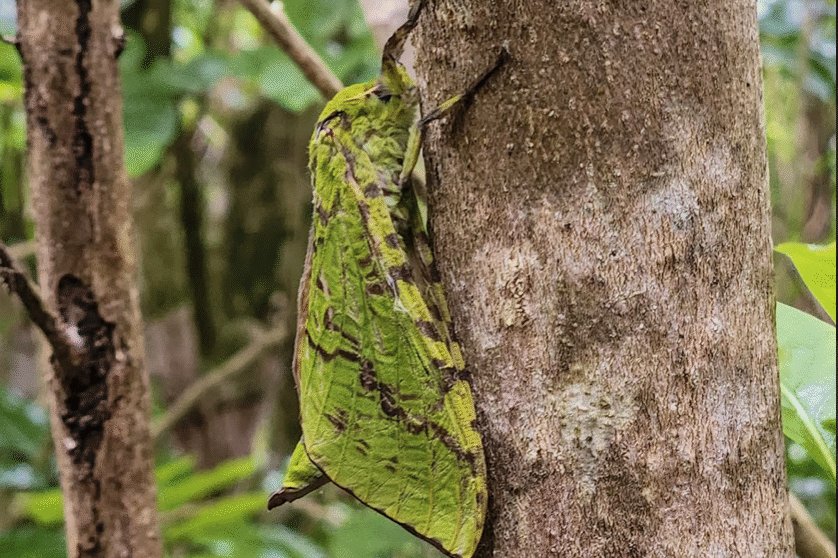
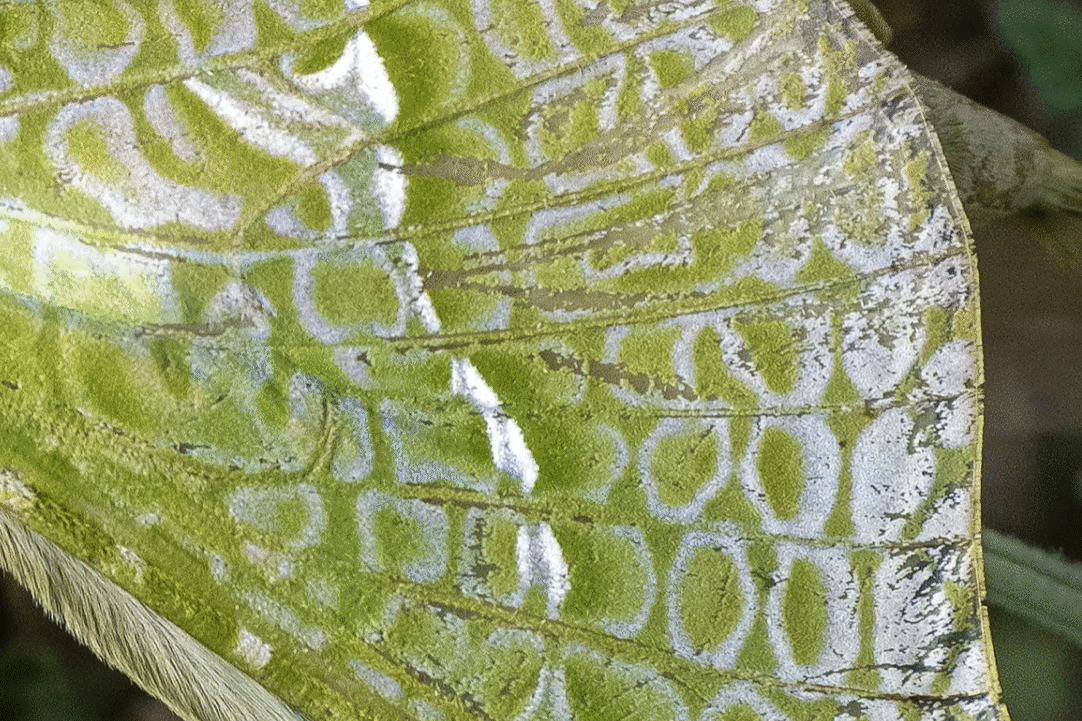
Left image: Male pūriri moth
Middle: Pūriri Moth
Right: Pūriri moth wing up close
Photo credits: Jonathan Mower
Click on the button to visit the Manaaki Whenua Landcare Research webpage about Pūriri Moth
Pūriri Moth Lifecycle
After mating, the female pūriri moth scatters up to 2,000 eggs on the forest floor, where they hatch within two weeks. The caterpillars begin life in the “litter phase,” feeding on bracket fungi under logs and twigs for 2–3 months. They then enter the “transfer phase,” seeking out a host tree (from over 70 known native and exotic species) and boring into the bark to create a distinctive seven-shaped tunnel. In the long “tree phase,” the caterpillar feeds on the tree’s callus tissue, living hidden inside its tunnel for up to five years (typically two to three). When fully grown, it seals the burrow and pupates inside, eventually emerging as a large, green adult moth. The adult lives for just 2–3 days, does not feed, and focuses solely on reproduction.
Tiritiri Through Their Eyes: Volunteer Voices - Jonathan
Tiritiri Through Their Eyes: Volunteer Voices - Jonathan
Tiritiri Through Their Eyes: Volunteer Voices - Jonathan
Questions answered by Jonathan Mower, volunteer
Photo credits: Jonathan Mower
- What’s your favourite conservation success story from Tiritiri Matangi?
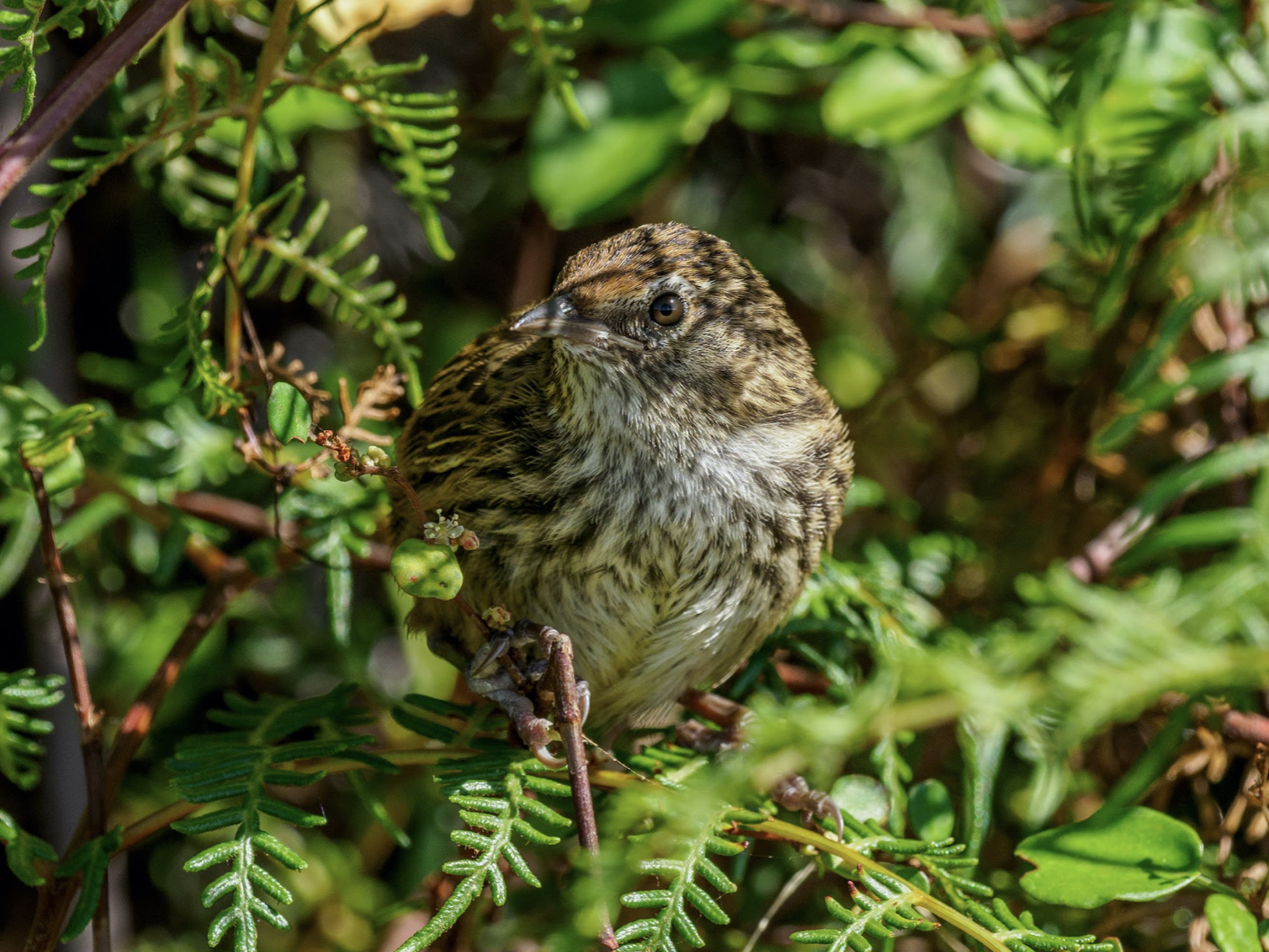
The unplanned, but very successful, introduction of mātātā. It wasn’t planned, the population was discovered completely by accident, and the Supporters were informed afterwards. I believe the construction company funded the translocation. - Which species do you think visitors most often overlook, but are actually really important to the ecosystem here?
Pōhuehue (Muehlenbeckia) is hugely important. Many people see it as a scrambling mess, but it provides essential habitat for mātātā and reptiles, and it’s the host plant for copper butterflies. It also provides food for a range of species; its flowers and berries are eaten by kākāriki and many others. - Can you tell me about a moment that really moved you while guiding here?
Being told by a very young student that when she grows up, she wants to be a guide on Tiritiri Matangi. - How do the birds on Tiritiri Matangi behave differently from those on the mainland?
They’re less wary of people and more comfortable being on the ground. You’ll notice a greater diversity of forest bird species here, although there are fewer shorebird species compared to mainland ecosystems. And they sing a lot more! - What’s a fun or surprising fact most people don’t know about Tiritiri?
Pūriri moths live in a wide range of tree species, not just in pūriri trees. - What inspired you to become a guide/volunteer on Tiritiri, and what do you love most about it?
I was encouraged by a long-time guide and a ranger from another island. What I love most is sharing this special place. - What do you think the biggest challenge for Tiritiri’s future is?
Sustaining the project with limited funding and the loss of many experienced guides. - What would you say to someone thinking about becoming a volunteer here?
Volunteering here offers a learning curve as steep as you want it to be. You’ll meet people from around the world, many of whom are kindred spirits. A lot of the volunteers have deep expertise in their fields and are generous with their time and knowledge. If you’re thinking about volunteering, go for it!
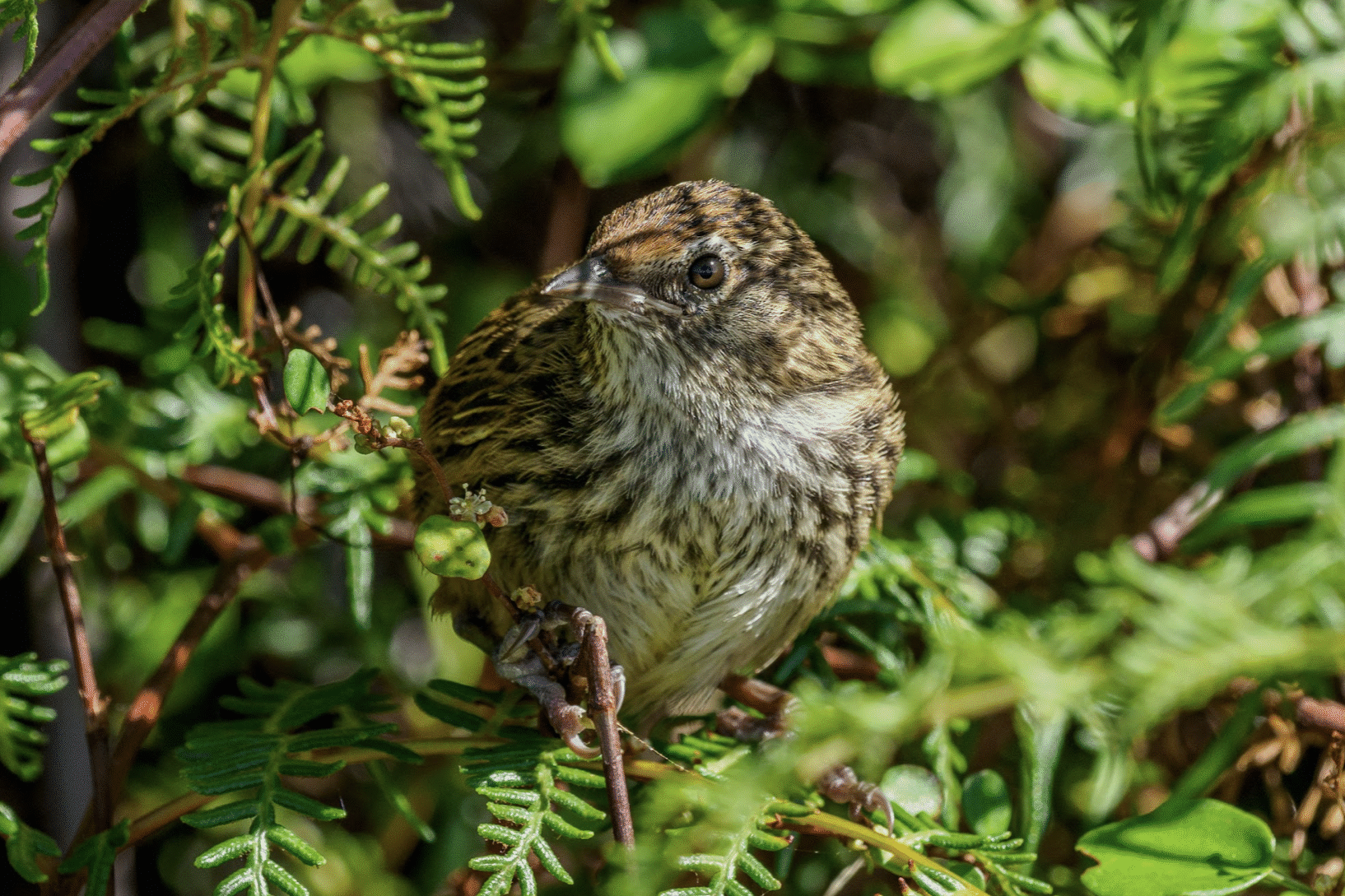

Left image: Mātātā/fernbird
Middle: Pūriri Moth
Right: Pōhuehue/ muehlenbeckia
Photo credits: Jonathan Mower
Select the image below to read past blog stories

Moments That Mattered: Visitors Share Their Tiritiri Experience - Mark, Iowa, USA.
Moments That Mattered: Visitors Share Their Tiritiri Experience - Mark, Iowa, USA.
Moments That Mattered: Visitors Share Their Tiritiri Experience - Mark, Iowa, USA.
Questions answered by Mark Hubing. Iowa City, Iowa. USA.
Header image: Derek Tearne
-
- What made you decide to visit Tiritiri Matangi?
Research on TripAdvisor. Reasonable cost. And for as a first timer, using the services of a guide. The island itself was wonderful, but you also get a great water tour, during the back and forth ferry journey. And I liked the idea of a smaller group tour. And away from the city center. Peace and quiet.
2. What did you enjoy or find most memorable about the guided walk?
Our guide was well informed, and a joy to visit with. Along with bird knowledge, she was quite familiar with the trees and plants. She took her time with taking us around. Not rushed at all.
3. Was there a particular bird, plant, or moment that stood out to you?
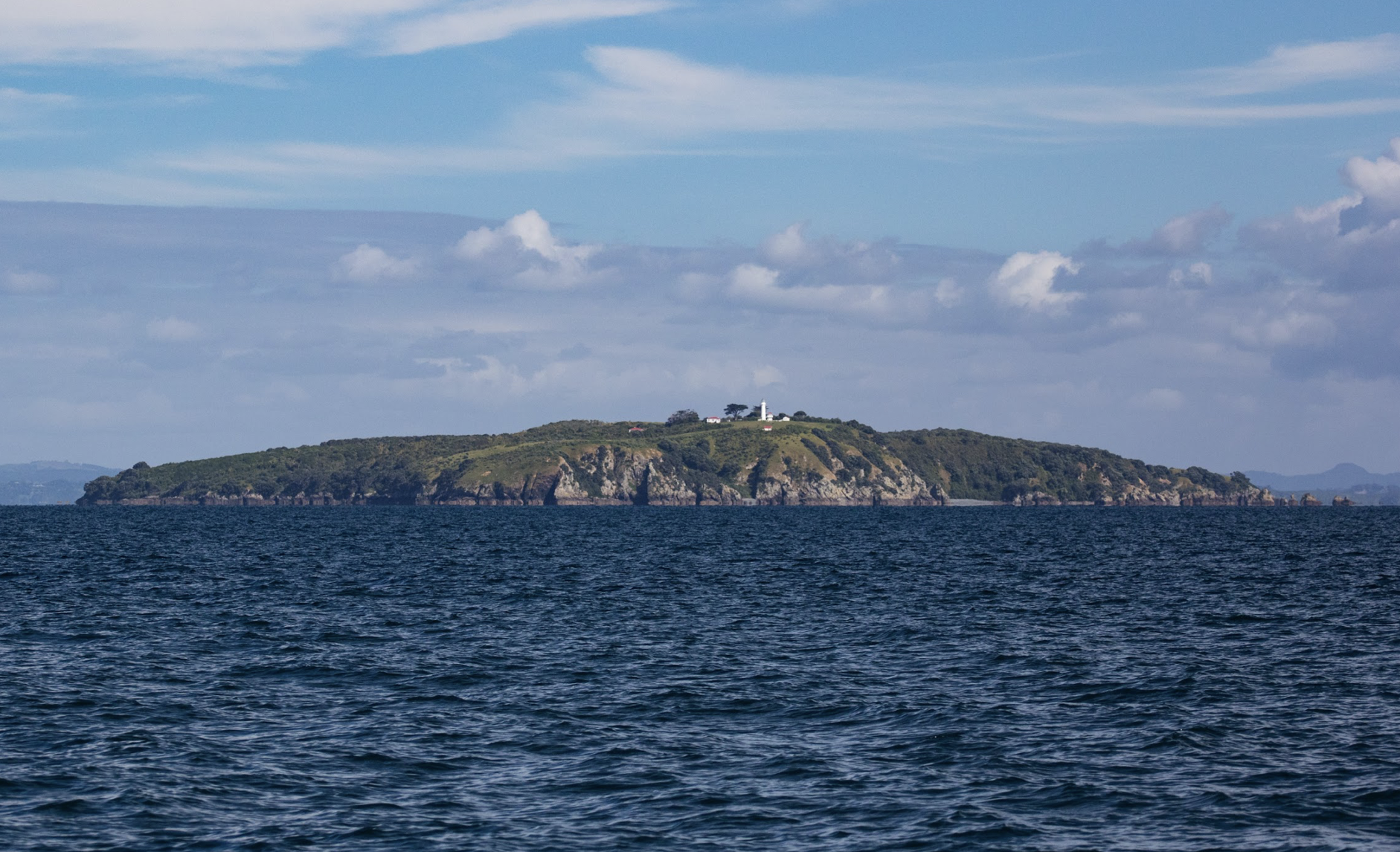
Sadly I can not recall a specific bird or plant. However the approach to the island on the ferry, and some of the hike near the water, really stood out.
4. How did the visit make you feel or change your perspective?
The visit made me feel we were experiencing something special. So special that you hope the island continues to thrive. That special plants and birds and plants are here, makes you really think. And the constant challenge to keep invasive plants and animals off the island.
5. Would you recommend the experience to others?
I almost don’t want to recommend the experience, because of the more that visit, the higher the chance of an invasive species getting in. So continual education of the visitors, with regular reminders, is what you have to do. But yes, this experience is highly recommended. Just respect the rules.
Mark’s TripAdvisor review:
Click on the image below to find out more about the Guided Walks
